


Has Breastfeeding Many Important benefits for both mom and baby At the same time, breastfeeding can reduce the risk of certain medical conditions later in life, like heart disease and diabetes, and it can also ease stress and help you bond more with your new baby.
Breast milk also has many nutrients and compounds needed for the baby's growth and protection from illness, which is why it’s called liquid gold.
But to make this liquid gold, a mom's body needs lots of energy and many other important nutrients, so it’s very important to pick the right foods full of good nutrients, This is what we will learn about in this article.
-
First, basics of breast milk composition:

It's important to follow a nutrient-rich healthy diet during breastfeeding because besides improving your overall health, it also helps make sure your baby gets all the nutrients they need to grow.
Breast milk has everything a baby needs to grow well in the first six months, except vitamin D or D, but if your overall diet doesn't provide these, then they won't be in the milk for your baby.
Research shows breast milk is made up of 87% water and 3.8% of fat, and 1% of protein, and 7% of carbohydrates, and provides about 60 to 75 calories per ml.
At the start of a feeding, breast milk is thinner and usually quenches the baby's thirst, but as feeding continues, the milk gets thicker and fattier, making it more nutritious.
Studies show that the milk at the end of a feeding has 2 to 3 times more fat than the milk at the start. To give your baby the most nutritious milk, make sure to empty one breast before switching to the other.
-
Second: Nutrient-dense foods for breastfeeding:

During breastfeeding, a mother's hunger increases because producing breast milk requires extra calories overall and more nutrients in particular.
Research shows moms need about 500 extra calories a day while breastfeeding. They also need more of certain nutrients like protein,vitamin C, andvitamin A,Vitamin E, andVitamin B12, selenium, andzinc.
This is why it's necessary to eat a variety of whole foods rich in nutrients for your health and your baby's health.
-
Thirdly :- Whole food choices for an ideal breastfeeding diet:-

Choosing foods rich in the nutrients mentioned above can help make sure you get all the major and minor nutrients you and your baby need.
Here are some options you can use for a healthy diet while breastfeeding :-
-
Fish and seafood:- Salmon, oysters, sardines, and seaweed.
-
Meat and poultry :- Chicken, andbeef, and lamb, and the liver.
-
Fruits and vegetables :- berries, andtomatoes, andbell peppers, andcabbage, kale, garlic, andbroccoli.
-
nuts and seeds :- almonds, hazelnuts, andchia seeds, andflax seeds.
-
Healthy fats :- Avocado, andOlive oil, andCoconut oil, andEggs, andyogurt full fat.
-
fiber-rich carbs :- potatoes, andsweet potatoes,Oats, andQuinoa, and buckwheat.
-
Other foods :- Tofu, anddark chocolate, sauerkraut.
It's better to cut down or avoid processed foods like fast food and sugary breakfast cereals. Instead, pick some healthier options.
-
Fourth :- How to manage a healthy diet during breastfeeding :-
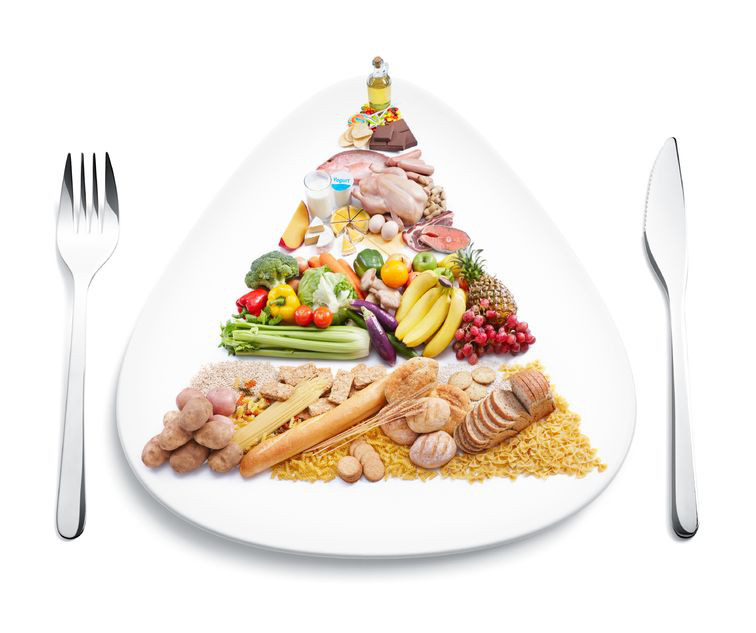
Nutrients in breast milk can be split into two main groups depending on how they get into the milk as follows :-
- First group nutrients :- These are nutrients that if you don't get them in your diet, they won't be passed into your breast milk for your baby. So their levels in milk depend on how much you eat.
First group nutrients include and you can get them from these food sources :-
-
Vitamin B1 :- Fish, andSeeds and nuts.
-
Vitamin B2:- Cheese, andAlmonds, red meat, oily fish, and eggs.
-
Vitamin B6Chickpeas, fish, poultry, nuts, andPotatoes, andbananas, and dried fruits.
-
Vitamin B12:- oysters, liver, yogurt, oily fish, nutritional yeast, eggs, shrimp.
-
Choline :- eggs, liver, fish, peanuts.
-
Vitamin ASweet potatoes, carrots, dark leafy greens, organ meats, and eggs.
-
Vitamin DCod liver oil, oily fish, some mushrooms, and fortified foods.
-
Selenium:Nuts, seafood, turkey, and whole wheat.
-
Iodine Dried seaweed, milk, and iodized salt.
- Group Two Nutrients These are nutrients whose levels in breast milk don't depend on how much the mother eats. The baby gets the right amounts from these nutrients, but from the mother's stores. These stores will drop if the mother doesn't get enough of these nutrients.
Group two nutrients include these, and the foods you can get them from:-
-
Folic Acid Beans, lentils, leafy greens, and avocado.
-
Calcium Leafy greens, milk, cheese, and legumes.
-
Iron Red meat, poultry, seafood, and dried fruits.
-
Copper Oysters, whole grains, nuts, organ meats, and sweet potatoes.
-
Zinc Red meat, poultry, nuts, and dairy products.
-
Fifth: Taking dietary supplements during breastfeeding:

Although diet is the most important and healthiest factor when it comes to ideal nutrition during breastfeeding, still Taking dietary supplements It may renew the stores of some important vitamins and minerals in the body.
Also, there are some reasons why new moms have low levels of certain essential nutrients, like higher energy needs for making milk, not eating the right foods, plus caring for the newborn. So taking supplements in this case is an important solution.
Taking supplements can help you get important nutrients, but don't rely on them all the time. Many contain herbs and additives that might not be safe for breastfeeding moms long term.
There is a list of supplements you can get, but make sure you buy from reputable products that are tested. Some of these supplements include :-
-
Multivitamins.
Make sure you get ideal nutrition during breastfeeding. The best way to do this is by following a varied diet. Fitness Garage offers a variety of diet plans that fit different breastfeeding and pregnancy stages. You can visit Fitness Garage's Facebook page here, and find out all the details.


