We all know how important micronutrients are for body health, including various vitamins and minerals. So it's very important to get these micronutrients from your daily diet to protect the body from many possible health issues and to stay physically and mentally healthy. In this article, we'll learn about one of the most important vitamins you need to have in the right amounts to avoid any problems, which is vitamin B complex or B complex.
-
First:- What is vitamin B complex?

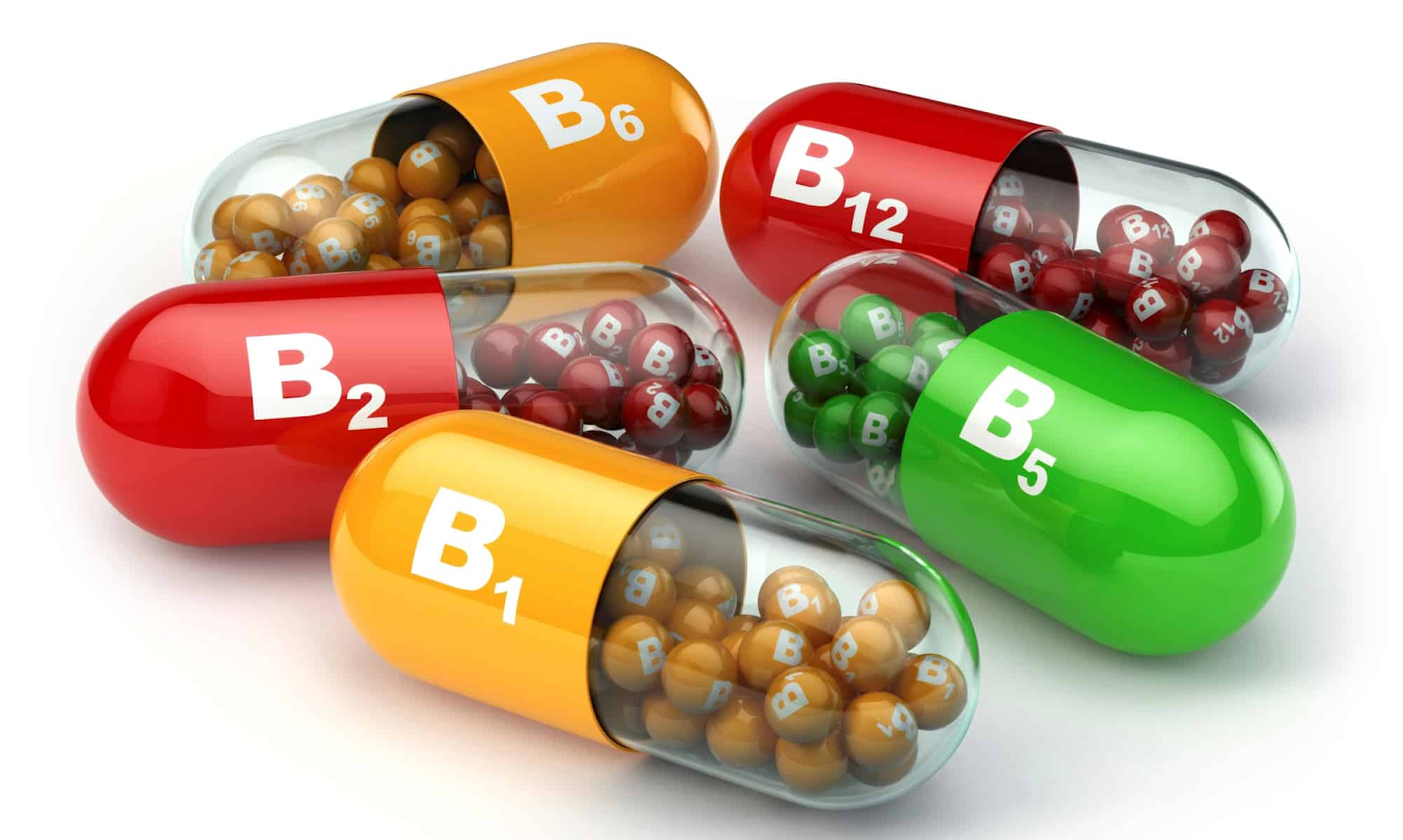
There are many types of vitamin B, which are combined together to form vitamin B complex. So vitamin B complex consists of eight types of vitamin B including:-
-
Thiamine B-1.
-
Riboflavin B-2.
-
Niacin B-3.
-
Pantothenic acid B-5.
-
Pyridoxine B-6.
-
Biotin B-7.
-
Folic acid B-9.
-
Cobalamin B-12.
Each basic B vitamin contributes to the body's overall functions. Let's discover how to benefit from these important micronutrients.
-
Second:- What are the benefits of B vitamins?
The various B vitamins are among the most important vitamins playing a vital role in keeping health in good condition. They are the first steps in building a healthy body, as B vitamins have direct effects on energy levels, brain functions, and cell metabolism.
B complex vitamins help prevent inflammation and support boosting the following :-
-
Cell health.
-
Red blood cell growth.
-
Energy levels.
-
Good eyesight.
-
Good digestion.
-
Brain functions.
-
Nerve functions.
-
Improving appetite.
-
Production of hormones and cholesterol.
-
Heart and blood vessel health.
-
Muscle strength.
B vitamins are especially important for pregnant and breastfeeding women as they help brain growth of the fetus and reduce the risk of birth defects.
For pregnant women, these vitamins may boost energy, ease nausea, and lower the risk of preeclampsia.
-
Third: What amounts of B complex does the body need?

The recommended amount differs for each B vitamin that makes up the B complex. Here is the recommended amount for women for each B vitamin according to the National Institutes of Health (NIH):
| B-1 | 1.1 milligrams |
| B-2 | 1.1 milligrams |
| B-3 | 14 milligrams |
| B-5 | 5 milligrams |
| B-6 | 13 milligrams |
| Biotin | 30 micrograms |
| Folic acid | 400 micrograms |
| B-12 | 2.4 micrograms |
Older adults and pregnant women need more B vitamins. Your doctor can give you info on the right dose for you based on your needs.
You should watch out because some health issues can stop your body from absorbing B vitamins well. Talk to your doctor about taking B vitamins if you have any of these:
-
Celiac disease.
-
Crohn's disease.
-
Kidney diseases.
-
Rheumatoid arthritis.
-
Ulcerative colitis.
-
Inflammatory bowel disease.
-
Fourth:- What are the signs of vitamin B deficiency?

Most people get enough different B vitamins by eating a balanced diet, but some people might still have a deficiency.
There are some symptoms that might show if you have low vitamin B levels in your body, they are:-
-
Skin rash.
-
Cracks around the mouth.
-
Peeling skin on the lips.
-
Swollen tongue.
-
Fatigue and general weakness.
-
Confusion.
-
Depression and irritability.
-
Nausea and cramps.
-
Diarrhea and constipation.
-
Numbness or tingling in your feet and hands.
If you have these symptoms and aren’t sure why, you should see a doctor right away for a proper diagnosis. These signs can overlap with other health problems, so the doctor will give you the right diagnosis and advice for what to do next.
-
Fifth: What are the problems caused by B vitamin deficiency?

If you have a B vitamin deficiency, you might face other issues too. It depends on which B vitamin you lack, and if you don’t get proper treatment, This can cause problems like :-
-
Anemia.
-
Digestive system problems.
-
Skin diseases.
-
Inflammations.
-
Peripheral neuropathy.
Vitamin B12 deficiency especially can raise the risk of mental and neurological disorders. Research also links it to high homocysteine in the blood and artery hardening.
Also, babies born to moms lacking folic acid during pregnancy are more likely to have birth defects.
-
6th:- What foods have B vitamins?

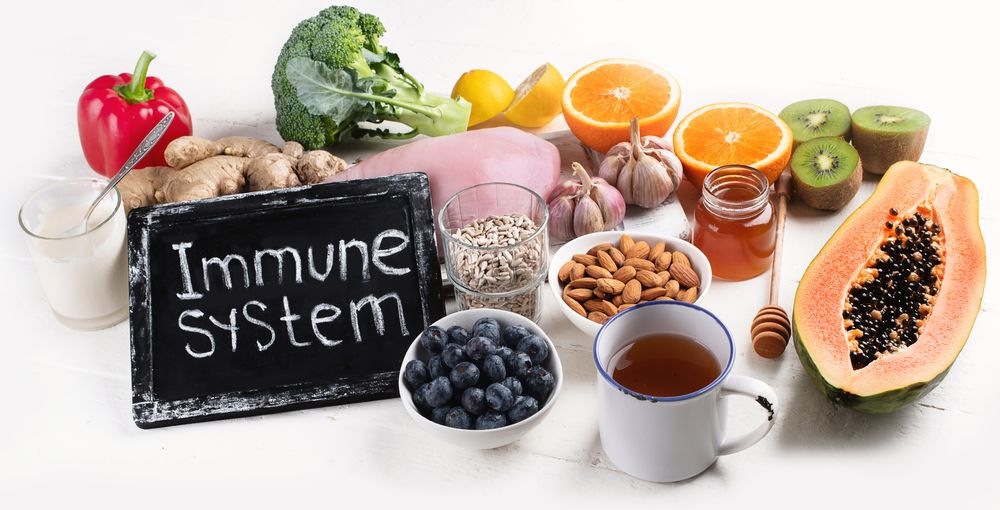
Many foods have different B vitamins, so getting them is easy. You can get these vitamins from your daily diet. It's better to get B vitamins from various food sources to make sure you get enough of each type.
Here's a list of foods that have B vitamins:-
-
Milk and cheeses.
-
Liver and kidneys.
-
Meats like chicken and red meats.
-
Fish like tuna, mackerel, and salmon.
-
Dark leafy greens like spinach and kale.
-
Vegetables like beets avocado andPotatoes.
-
Fruits like citrus, bananas, and watermelon.
-
Soy products like soy milk.
-
Yeast and nutritional yeast.
-
Seventh:- Are B vitamin supplements necessary?

The daily diet is the best way for the body to get B vitamins. Most people get enough B vitamins from their daily food.
You shouldn't take supplements unless a doctor confirms you have a deficiency in a certain B vitamin. Your doctor will tell you if you need B vitamin supplements or not.
Some groups often might need supplements, such as:-
-
People aged 50 and above.
-
Pregnant women.
-
People with chronic health conditions.
-
People who follow a vegetarian diet.
-
Eighth: What happens if you get too much B vitamins?

Vitamin B is water-soluble, so it's unlikely to get too much of it since the body doesn't store it. It gets flushed out daily in urine.
It's also unlikely to get too much B vitamins from supplements if you use them as directed.
But overdosing is possible, especially if you take supplements without a deficiency diagnosis from a doctor, There are some signs you might have overdosed on B complex vitamins:
-
Extreme thirst.
-
Skin diseases.
-
Blurred vision.
-
Vomiting.
-
Increased urination.
-
Diarrhea.
Get immediate medical advice if you are taking supplements and have these symptoms, you might be overdosing on vitamin B.