

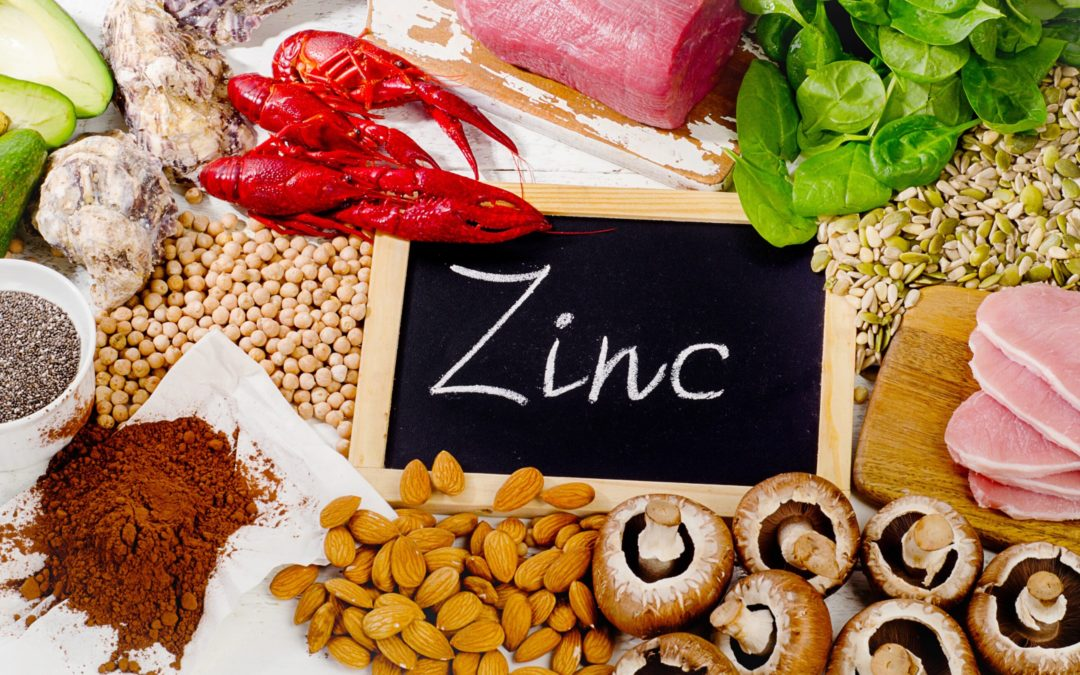
Zinc is an important nutrient that plays vital roles in the body. The body doesn’t produce zinc naturally, so you have to get it from your diet or supplements, In this article, we’ll learn about zinc, its health benefits, and the recommended daily doses.
-
What is zinc :-
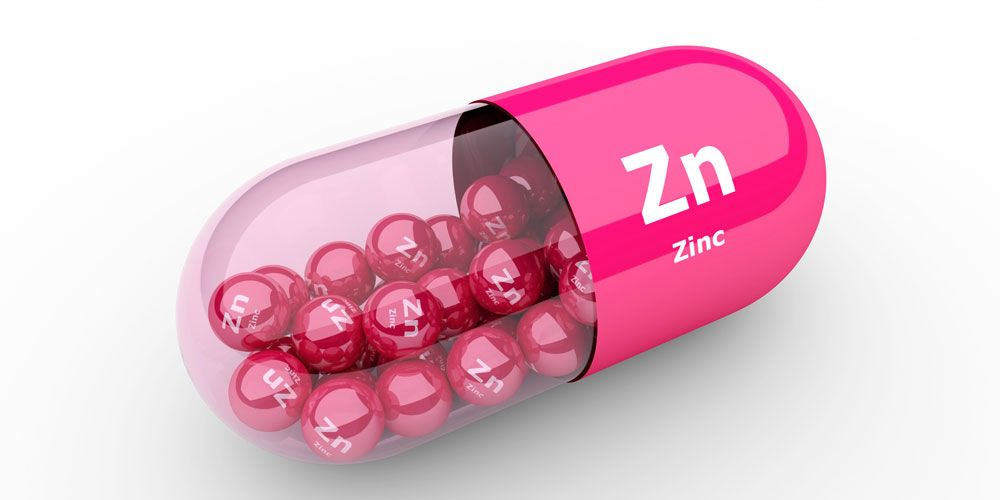
Zinc is an essential nutrient. Because the body can’t make or store it, you need a steady supply from your diet. Zinc is necessary for many vital processes in the body, which include :-
-
enzyme reactions.
-
Immune functions.
-
DNA synthesis processes.
-
Wound healing processes.
-
Growth and development.
Zinc is naturally found in a variety of plant and animal foods, and there are also some foods that are artificially fortified with these important nutrients.
-
Sources of zinc in foods :-

There are many animal and plant foods naturally rich in zinc, making it easier for people to get enough of these essential nutrients, The list of foods high in zinc includes :-
-
Fish: sardines, salmon, and flatfish.
-
Shellfish: oysters, crab, and mussels.
-
Poultry: turkey and chicken.
-
Nuts and seeds :- Cashews And pumpkin seeds.
-
Whole grains :- Oats andQuinoa Andbrown rice.
-
Some vegetables include kale, mushrooms, and asparagus.
Animal products like meat and shellfish have high amounts of zinc in forms the body can easily absorb.
There are also some foods with added zinc like ready-to-eat breakfast cereals, snack bars, and bread flour.
-
The role of zinc in the body:

Zinc is an essential mineral the body uses in countless ways. It's the second most abundant trace element after iron. It's in every cell. Zinc is crucial for over 300 enzymes that help metabolism, digestion, nerve functions, and many other processes.
Zinc is also vital for skin health, DNA creation, and protein production. Body growth and development rely on zinc because of its role in cell growth and division.
Zinc is also important for senses like taste and smell because one of the enzymes needed for these depends on this nutrient, so a zinc deficiency can lower your ability to taste and smell.
-
Health benefits of zinc :-

Research shows zinc has many health benefits :-
-
Boosting the immune system :-
Zinc helps keep the immune system strong because it's vital for immune cell function and signaling. Zinc deficiency can weaken immune response. Zinc supplements can activate certain immune cells and reduce oxidative stress.
A study showed taking 80 - 92 mg of zinc daily might cut cold duration by up to 33%. Zinc supplements also greatly lower infection risk and strengthen immune response in older adults.
-
Speeding up wound healing :-
Zinc is widely used in hospitals to treat burns, some ulcers, and other skin injuries because it plays key roles in collagen production, immune functions, and inflammatory responses. It's essential for proper healing.
Skin holds a relatively high amount of zinc about 5% of the body's zinc. Zinc deficiency can slow wound healing, so taking zinc supplements can speed up healing in people with wounds. A study showed people with diabetic foot ulcers had a big reduction in wound size when treated with 200 mg of zinc daily.
-
Reducing risks of some age-related diseases:
Zinc may greatly lower chances of some age-related diseases like pneumonia, infections, and age-related macular degeneration.
Zinc may ease oxidative stress and boost immune response by activating T-cells and natural killer cells that protect the body from infections. Older adults taking zinc supplements had better flu vaccine response, less risk of pneumonia, and improved brain function.
-
Helping treat acne:
Acne is a common skin disease affecting about 9.4% of the world. It happens when oil glands get blocked with bacteria and inflammation.
Studies show both topical and oral zinc treatments can effectively treat acne by reducing inflammation, stopping bacteria growth, and lowering oil gland activity.
-
Reducing inflammation:
Zinc reduces oxidative stress and lowers some inflammatory proteins in the body. Oxidative stress causes chronic inflammation, which plays a part in many chronic diseases like heart problems, cancer, and mental decline.
Studies show that older people who took 45 mg of zinc daily saw a bigger drop in inflammation markers.
-
Symptoms of zinc deficiency in the body :-

Severe zinc deficiency is rare, but it can happen, especially in those with rare genetic mutations, babies breastfed by moms low in zinc, and people on immune-suppressing drugs.
People at risk of zinc deficiency :-
-
People with digestive diseases like Crohn’s disease.
-
Some vegetarians.
-
Pregnant and breastfeeding women.
-
Babies who are only breastfed.
-
People with sickle cell anemia.
-
People with poor nutrition, including those with anorexia or binge eating.
-
People with chronic kidney diseases.
Signs of zinc deficiency :-
-
Diarrhea.
-
Lowered immunity.
-
Thin hair.
-
Loss of appetite.
-
Mood swings.
-
Dry skin.
-
Fertility problems.
-
Slow wound healing.
-
Recommended daily doses of zinc:

To avoid taking too much zinc, you should avoid high doses of zinc supplements unless your doctor says so.
The recommended daily intake of zinc is 11 mg for adult men and 8 mg for adult women.
Pregnant women need to consume 11 mg daily, and breastfeeding women 12 mg daily.
If you have no absorption problems, you can get enough zinc just from your diet without supplements.
The highest allowed zinc level is 40 mg daily, and taking more can cause toxicity.
-
Symptoms of zinc poisoning:

Just like zinc deficiency can cause health issues, too much zinc can also cause problems. The main cause of zinc overdose and toxicity is taking zinc supplements.
Symptoms of zinc poisoning include:
-
Vomiting and nausea.
-
Loss of appetite.
-
Diarrhea.
-
Stomach cramps.
-
Headache.
-
Lowered immune function.
-
Reduced levels of good cholesterol.
Taking large amounts of zinc regularly can also interfere with absorbing other nutrients like copper and iron.


