Leafy greens and dark leafy vegetables have many health benefits. They are very important for people interested in health. But what makes leafy greens so important? In this article, we'll answer this and other questions about leafy greens and how much to eat.
Reports from disease control centers say leafy greens provide about 10% or more of the daily value for about 17 important nutrients per 100 calories.
There are many leafy greens you can add to your diet like arugula, chard, beet greens, spinach, cabbage, kale, and lettuce. Knowing the great health benefits of these veggies can help you eat more of them.
-
First: Recommended intake for leafy greens:
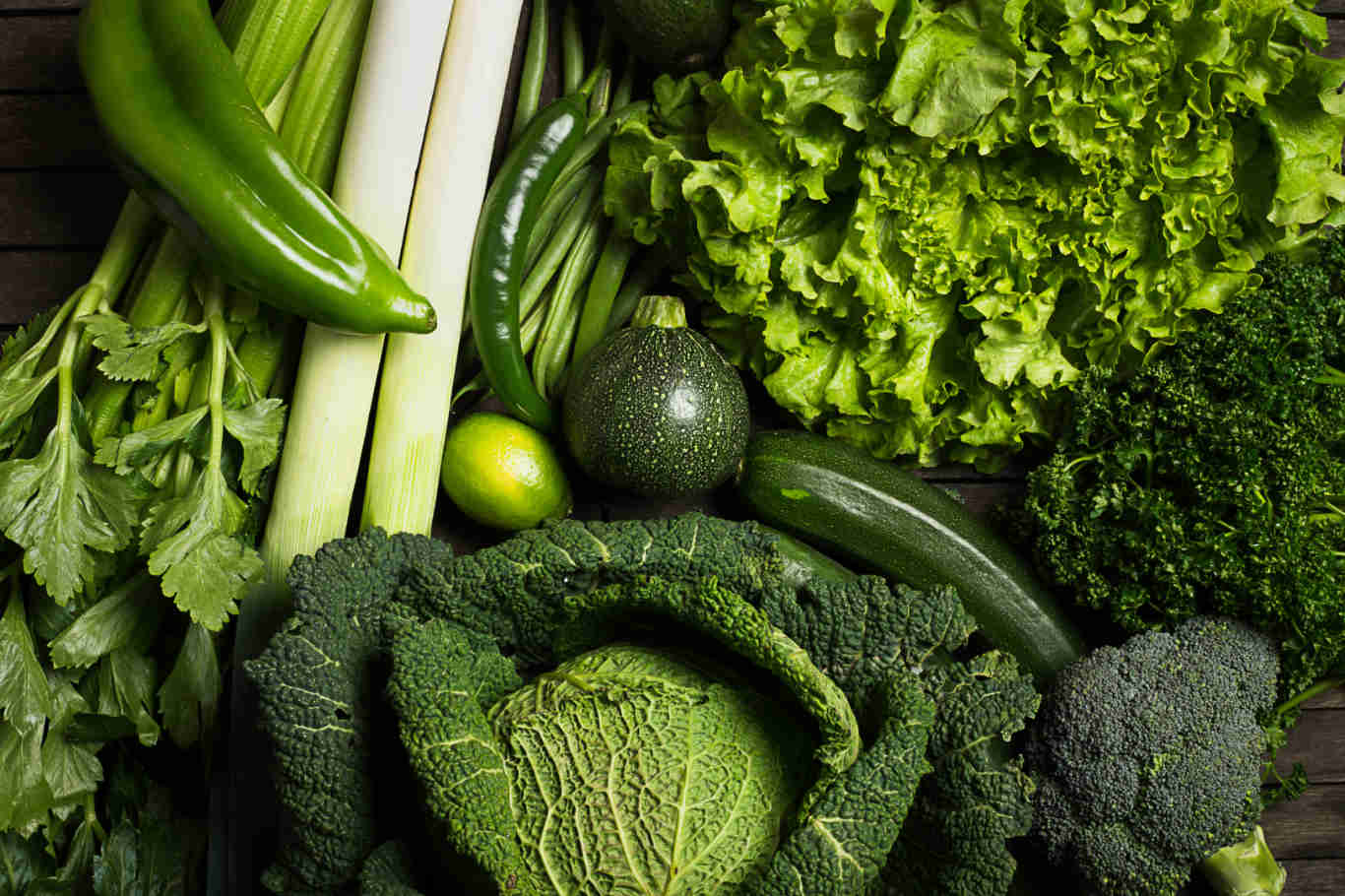
How much vegetables you should eat depends on age, gender, and activity. But as a rule of thumb, three cups of leafy greens a week can improve your diet. These tips can help you know the recommended amount for each age group:
-
Kids: ½ to 1½ cups per week.
-
Adults women: 1 ½ cups per week.
-
Adults men: 1 ½ - 2 cups per week.
-
Second: health benefits of leafy greens:

Leafy greens provide a lot of vitamins and minerals and plant nutrients. Dark leafy greens are among the most nutritious veggies.
Leafy greens provide many vitamins like A and C, antioxidants, fiber, folic acid, vitamin K, magnesium, calcium, iron, and potassium.
-
Third: calories in leafy greens:

Without adding anything to leafy greens like butter or cheese, these veggies probably have low calories on your plate. For example, a full cup of spinach gives 7 calories, and a cup of kale has about 33 calories.
-
Fourth:- The major nutrients in leafy greens:-
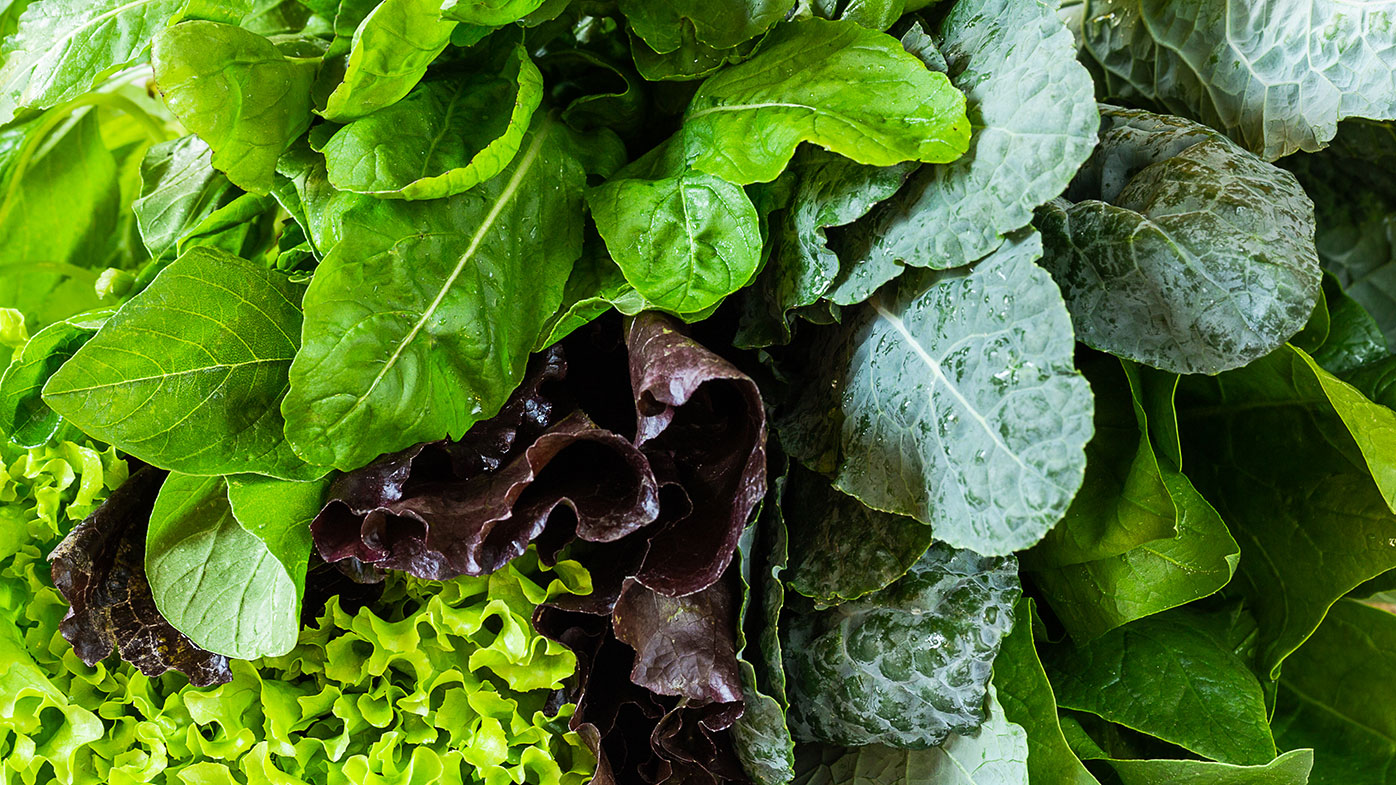
Not just their low calorie count makes leafy greens special, but also the important nutrients you get from those calories.
Leafy greens provide carbohydrates complex ones, fiber, andprotein, and very little fat. For example, a cup of spinach has just over 1 gram of carbs mostly fiber, plus 1 gram of protein. A cup of broccoli has about 6 grams of carbs with 2.4 grams fiber, and more than 2.5 grams of protein.
This balance of macronutrients especially provides fiber and protein a feeling of fullness over the long term, which is not triggered by starchy vegetables and other foods, which may lead to desired weight loss results.
-
Fifth:- Micronutrients in leafy greens:-

Leafy greens especially those with dark leaves are a rich source of minerals like iron, calcium, potassium, and magnesium, and they also provide many vitamins Important ones like E, C, K, and many B vitamins.
Many dark green vegetables offer a lot of plant nutrients like beta carotene, lutein, and zeaxanthin, which protect cells from damage and protect the eyes from age-related issues. Leafy greens also have small amounts of omega-3 fatty acids that are very important for the body.
-
Sixth:- Vitamin K in leafy greens:-

Vitamin K is a fat-soluble vitamin and an essential nutrient found in many dark green leafy vegetables. Common leafy greens with high vitamin K in diets include spinach, broccoli, cabbage, kale, and collard greens.
Research shows vitamin K might have a bigger impact and importance than most people think. Also, many don’t get enough of this important nutrient.
- Health importance of vitamin K:-
-
It may be a key regulator of inflammation, and might help protect against inflammatory diseases including arthritis.
-
It might help prevent diabetes.4
-
It might stop or reduce artery hardening by lowering calcium in the arteries.
-
It protects bones from getting osteoporosis.
-
It controls blood clotting.
-
Seventh: Chronic diseases and leafy greens:

Studies showed that eating more leafy greens may help prevent some diseases. One study in Neurology found that a diet with one serving of leafy greens is linked to slower age-related cognitive decline.
On the other hand, eating lots of leafy greens greatly lowers heart and blood vessel disease risk and may help omega-3 fatty acid supplements work better.
-
Eighth: ways to increase leafy green intake:

There are many leafy greens and dark leafy greens you can pick to add variety to your diet. Try eating different types and cooking styles to enjoy leafy greens more.
You can try these ways to add leafy greens to your diet:-
-
Egg omelette: - Add leafy greens like dill and parsley to beaten eggs to make an omelette.
-
Sandwiches or wraps :- You can pile lots of leafy greens like arugula, lettuce, and spinach inside different sandwiches. You can also replace bread with leafy greens to make sandwiches to reduce starch or processed carbs.
-
Juices and smoothies :- You can add leafy greens to your juices. If you don’t like the taste of vegetables in juice, add them with fruits like banana and apple.
It’s really important to have a balanced, healthy diet to get different health benefits and fight different diseases. A healthy diet is also key for managing your weight, whether you want to lose, maintain, or gain weight. Including vegetables in general, especially leafy greens, in your diet is one of the best steps for a balanced diet.