Estrogen is one of the "female" hormones produced by the body. It plays an important role in keeping proper function and supports bone health, heart and blood vessel health, and other vital processes.
Estrogen hormone is especially important for the reproductive system and female traits like breast development and pubic hair.
Estrogen is produced by the adrenal glands, ovaries, and fat tissues.
-
Function of estrogen hormone:
Estrogen is responsible for developing secondary female sexual characteristics at puberty. It also plays an important role in many other processes such as:
-
It helps stimulate the growth of the ovarian follicle.
-
It maintains the thickness of the vaginal wall.
-
It strengthens and protects the mucous membrane lining the uterus and controls the flow and thickness of uterine mucus secretions.
-
It's used in forming breast tissue and controls milk flow after weaning.
You might be surprised to know that male bodies also produce estrogen, but in smaller amounts.
-
Types of estrogen hormone:

Estrogen hormone is divided into three main types:
-
Estriol:
Since it's made by the placenta, its level rises during pregnancy and peaks just before birth.
It helps the uterus grow and prepares the body for the upcoming birth.
-
Estrone:
It's a weaker form of estrogen and can turn into other types of estrogen. It's found in the body after menopause.
-
Estradiol:
It's made in both male and female bodies.
It's the most common type in females during their reproductive years.
It controls female traits and sexual function and is also key for women's bone health.
High levels can cause acne, weak bones, depression, and low sex drive.
-
Causes of estrogen imbalance:

Besides pregnancy and menopause, estrogen levels can go up or down because of:-
-
Severe calorie restriction.
-
Anorexia nervosa.
-
Intense exercise.
-
Aging.
-
Using estrogen-containing drugs.
-
Diabetes.
-
High blood pressure.
-
Polycystic ovary syndrome.
-
Adrenal gland tumors, or ovarian tumors.
-
Primary ovarian insufficiency.
-
Pituitary gland underactivity.
-
Symptoms of high estrogen levels:

High estrogen in women causes weight gain, irregular periods, heavy bleeding, bloating, cold hands and feet, sleep problems, fatigue, hair loss, headaches, low sex drive, mood changes, depression, memory issues, benign breast tumors, uterine fibroids, and breast swelling.
In men, it leads to erectile dysfunction, infertility, and breast enlargement.
-
Treatment for estrogen dominance:
A medical specialist might recommend some of the following:
-
Medications:

If your condition is due to hormone therapy, your doctor might adjust your treatment plan to balance your hormones.
If you have cancer, specialists might prescribe drugs that stop cancer cells from attaching to estrogen.
-
Surgery:

If you have estrogen-sensitive cancer, an oncologist might suggest removing the ovary.
-
Exercise:

Exercise may lower estrogen levels in some women.
Regular workouts are good for men’s lifestyle who have high hormone levels.
-
Diet plans:

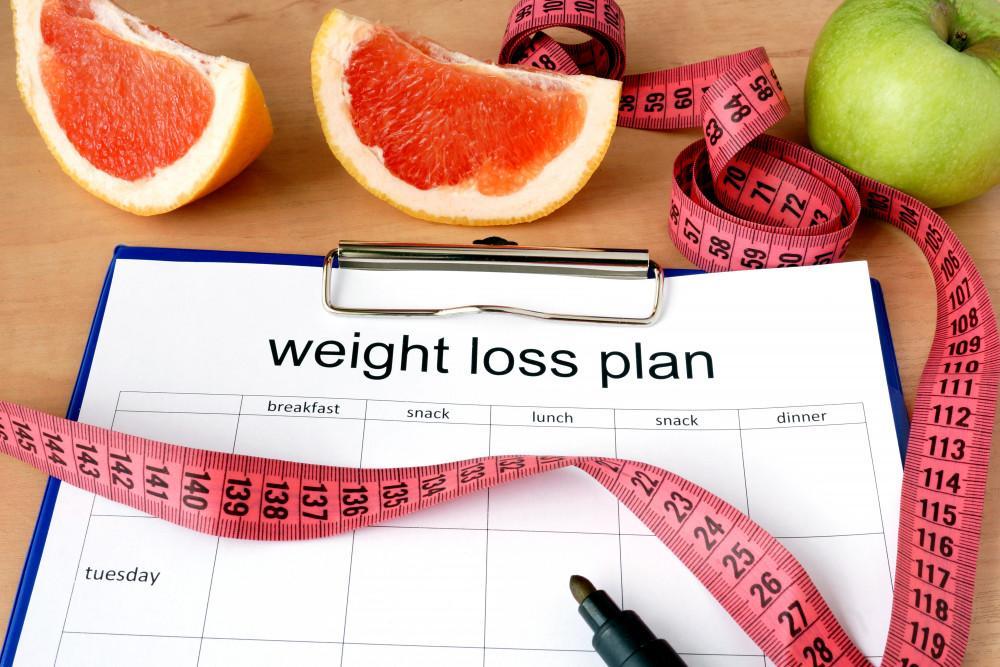
Changing your diet helps balance your hormones. Make sure you eat lots of healthy nutrients like unsaturated fats (in fish, nuts, seeds, olives, avocado, etc.), lean proteins (from chicken, dairy, tofu, beans, legumes), complex carbs (whole grains, fruits, veggies, beans, legumes, etc.), and vitamins and minerals.
Drink enough water all day, right after waking, before meals, before, during and after workouts, and just before bed. Also, avoid unhealthy stuff like saturated and trans fats, added sugars, and refined carbs.
-
Foods you should avoid:

-
Meat and dairy products:
Male animals produce estrogen so all animal products might have traces of it. Research also links red meat consumption to higher breast cancer risk in women.
-
Grains:
Grains are a healthy type of food but some contain zearalenone which is a fungus that can disrupt estrogen balance because it looks like this hormone.
-
Legumes :-
Rich in proteins, fibers, and micronutrients.
A main protein source in a diet.
-
Foods to eat when dealing with estrogen dominance:
-
Cruciferous vegetables (turnip, cauliflower, broccoli, cabbage).
-
Mushrooms.
-
Red grapes.
-
Whole grains.
-
Some ways help reduce estrogen levels:

-
Fight stress:
Continuous stress causes sleep problems, weight gain, and hormone imbalances.
-
Avoid plastics:
Replace them with cardboard, glass, or wood.
-
Eat fiber:
It makes you feel full longer, helps you lose weight, stops hunger, and plays an important role in digestion.
Your body naturally gets rid of extra estrogen with fiber.
Like: fruits, veggies, beans, legumes, nuts, seeds, grains, and herbs.
-
There are three types of estrogen:

Estriol, estradiol, and estrone.
Any imbalance in these hormone levels can cause a negative result like estrogen dominance.
This condition can be treated with meds, surgery, or diet.
Knowing which foods to avoid can help lower your estrogen levels naturally. But the best way is to talk to your doctor or nutritionist and follow their advice.
Besides eating right, exercise is also essential for your body and health.