

When your esophagus is inflamed or irritated, which is called esophagitis, eating, drinking, and swallowing can be very painful. So, there are many foods you can eat and others you should avoid, We will go over them in this article.
-
First: What is esophagitis and what causes it?
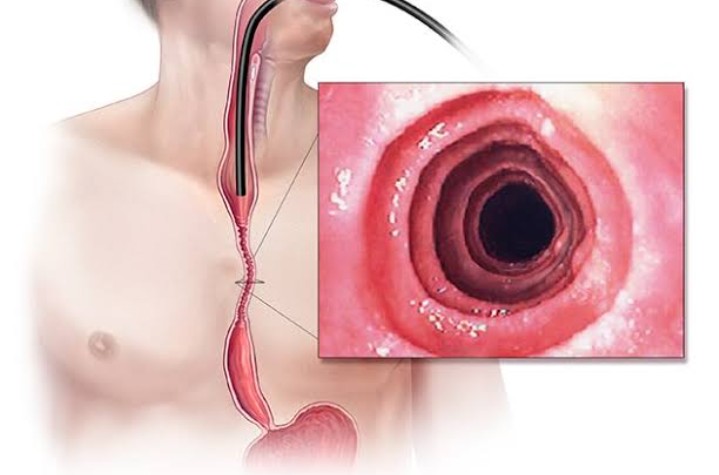
Esophagitis is irritation or inflammation of the esophagus lining, the tube that runs from your mouth to your stomach. Its symptoms usually include burning and pain when swallowing, chest pain, and sometimes you might see bleeding when coughing.
There are many causes of esophagitis, like:
-
Acid reflux from the stomach going back into the esophagus.
-
Excessive vomiting which often happens due to eating disorders.
-
Infection occurs.
-
Using some drugs like aspirin and anti-inflammatory meds.
Most times the inflamed esophagus from infection, vomiting, or meds heals by itself once the cause is gone. Acid reflux and gastroesophageal reflux cause stomach acid to flow into the esophagus, which gives a burning feeling behind your chest called heartburn.
If your case is from acid reflux due to food sensitivity, it might take time to find the trigger foods so you can cut them out and let symptoms improve.
-
Second: Foods to avoid if you have esophagitis:

Usually esophagitis isn’t caused by your diet, but some foods might make it worse. So, it helps to keep a food diary to track symptoms and figure out which foods make you feel bad, then avoid them.
Most of the time esophagitis happens from acid reflux and heartburn when stomach acid comes up and can burn or damage the esophagus lining. Eating very spicy or very acidic foods can make your esophagitis worse by burning the inflamed tissue.
When acid reflux causes esophagitis, part of managing it through diet is cutting foods that irritate your stomach, and also avoiding foods that cause acid in the first place.
Here’s a list of some common foods that cause acidity :-
-
Fatty foods like fried chicken and french fries.
-
Spicy foods.
-
Tomatoes and their products.
-
Coffee.
-
Mint.
-
Chocolate.
-
Citrus fruits like (orange, grapefruit, lemon).
-
Thirdly: The esophagus irritated by drinks:

Sometimes your esophagus can get irritated from drinks like coffee. Coffee ups stomach acid so avoid it if you have acid reflux. Also, coffee is usually hot, and high heat can harm the esophagus lining. Same goes for hot tea, hot chocolate, and very hot soup.
If you have esophagus inflammation from drinks, cut back on them. The best drink for this is plain, non-acidic stuff like water.
-
Fourthly: Foods that heal esophagus inflammation:

If your esophagus is very inflamed and painful, try eating some foods that help treat the inflammation, which might include:
-
Cooked fruits.
-
Cooked vegetables.
-
Avocado.
-
Fish.
These foods are easier to swallow than raw fruits and vegetables or tougher protein sources, so you might feel some relief in your throat and esophagus.
Some of these foods also have anti-inflammatory properties that help reduce pain and swelling in the esophagus.
-
Fifth: Dairy products for treating esophagitis:
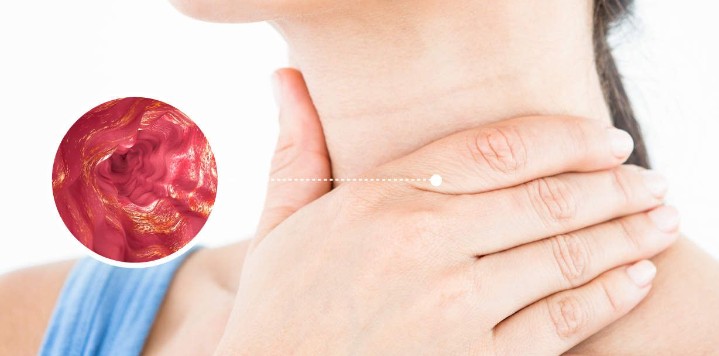
You may be allowed dairy products like milk, yogurt, and soft cheese. You can also add ice cream, custard, sweets, drinks, and cottage cheese to help ease esophagitis.
But you should avoid dairy products that have nuts, seeds, spices, granola, or whole fruits. Choose low-fat versions of full-fat products to cut down on saturated fat intake.
-
Sixth: Some tips for dealing with esophagitis:

-
Keep eating cold or room temperature foods instead of very cold or very hot ones.
-
Eat mashed foods. If swallowing is very hard, switch to a mashed diet that's easy to swallow. Cook your food until very soft, then blend it with some liquids like milk or broth and mash it.
-
In worst cases, you might need to stick to a full liquid diet that includes foods like warm (not hot) soup, juices, and yogurt.
-
You should eat slowly and chew your food well so the pieces can move easily from the esophagus to the stomach.
-
Make sure you drink while eating to keep the food moist and help with swallowing.
-
Keep eating small meals since they need less stomach acid to digest, which might help cut down heartburn that can irritate the esophagus.
-
Eat food hours before bedtime because this helps keep acid in the stomach and stops it from refluxing into the esophagus.


