
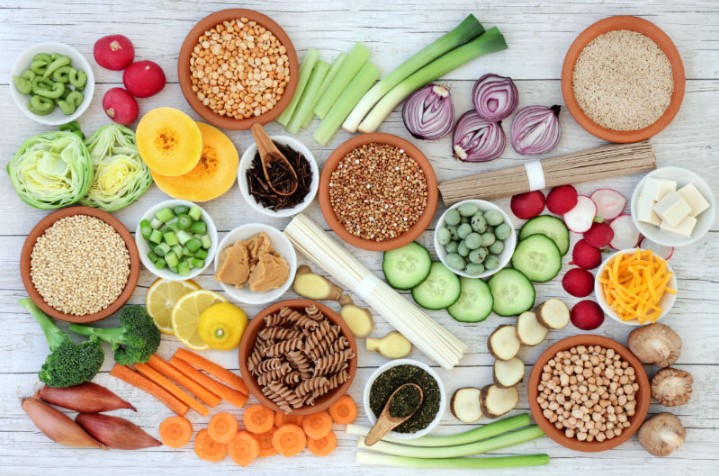
The Macrobiotic Diet is mostly a plant-based lifestyle said to improve health and help live longer. It focuses mainly on whole grains, legumes, and vegetables. It’s also said to have some positive effects on mental health.
The diet was created by a Japanese teacher named George Oshawa. The name Macrobiotic is Greek and means 'long life, continuation of life.'
Followers of the Macrobiotic Diet follow a meal plan tailored to factors like climate, season, gender, physical activity, and health needs. They try to find balance with foods the body needs. Though designed as a lifelong diet, some food limits and challenges can prevent this. It ranks 25th in the best diet list by U.S News and World Report.
-
What experts say about the Macrobiotic Diet:

This diet focuses on grains, vegetables, legumes, and seaweed. These foods give vitamins, minerals, and fiber. But experts warn of nutrient gaps from avoiding some other healthy foods in this diet.
-
What you can eat on the Macrobiotic Diet:
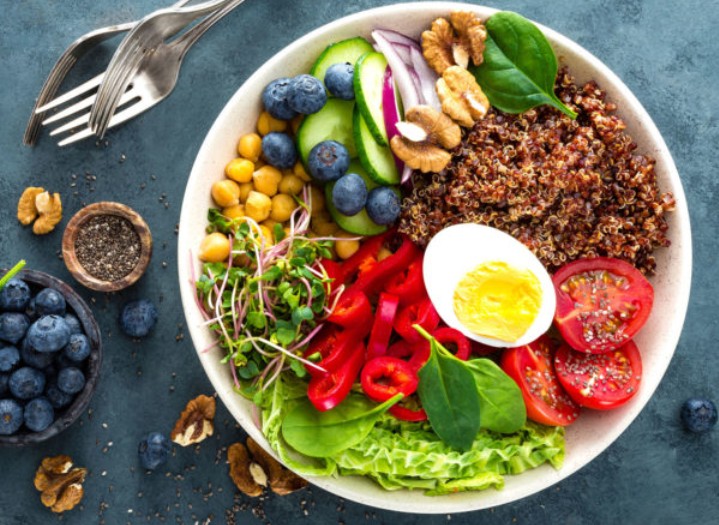
The Macrobiotic Diet is low fat and high fiber. It emphasizes plant foods instead of animal products and processed foods. It’s important to avoid processed foods when you can and stick to whole foods. Organic and in-season foods are best because out-of-season foods are seen as having chemicals against the diet’s core principles. Also, choose low-fat cooking methods, mainly water-based ones like steaming, boiling, and simmering.
Some followers of this strict diet cook only in specific pots made of stainless steel or wood and avoid cooking with electricity like using microwave ovens.
-
What you need to know about the macrobiotic diet:
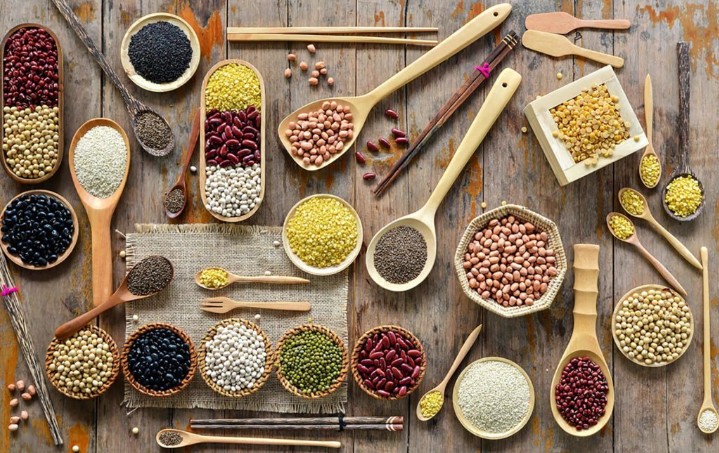
The macrobiotic diet is based on the idea that humans are closely connected to nature, so they should try to balance themselves with their surroundings through balanced food, which affects their health.
It's important to take it easy and learn recipes you can enjoy. It might take some time to fully get into this diet, says Jessica Porter author of the book ( The Hip Chick's to Macrobiotics ), that it took her three years before she could happily and steadily eat three macrobiotic meals a day.
The key to the macrobiotic diet is eating two to three meals a day and stopping before feeling full. It’s important to eat slowly and mindfully to avoid overeating, and chew every bite well to help digestion.
-
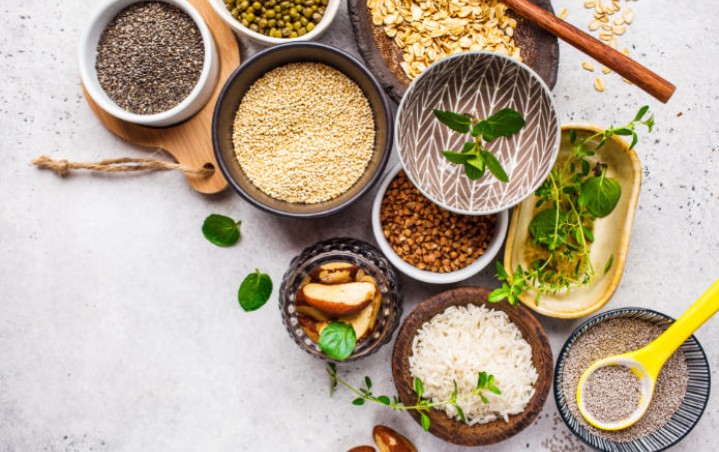
What can be eaten:
-
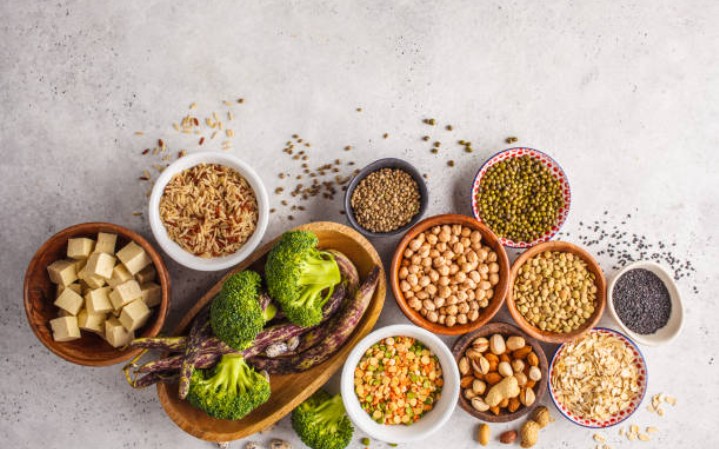
Whole grains.
-
Vegetables.
-
Legumes.
-
Soups.
-
Some oils.
-
Some spices.
-
Water, tea.
-
What not to eat:-
-
Meat and poultry.
-
Eggs.
-
Dairy products.
-
Fish and seafood (excessive).
-
Fruit (excessive).
-
Drinks with caffeine.
-
Most sugars and sweeteners.
-
Seeds and nuts (in excess).
-
Sweetened drinks.
-
How to include food groups in the macrobiotic diet plan:
-
Whole grains:

Whole grains make up about 50 to 60% of every meal in the macrobiotic diet, which can include (brown rice, barley, wheat, millet), plus grain-based products like (pasta, bread).
-
Vegetables:

Vegetables usually make up about 25 to 30% of meals in the macrobiotic diet. Up to a third of the total veggies can be raw, but the rest should be steamed, boiled, baked, or sautéed.
Some fans of the diet recommend avoiding potatoes, tomatoes, eggplant, peppers, spinach, beets, and zucchini, but they are not strictly forbidden.
-
Legumes :-
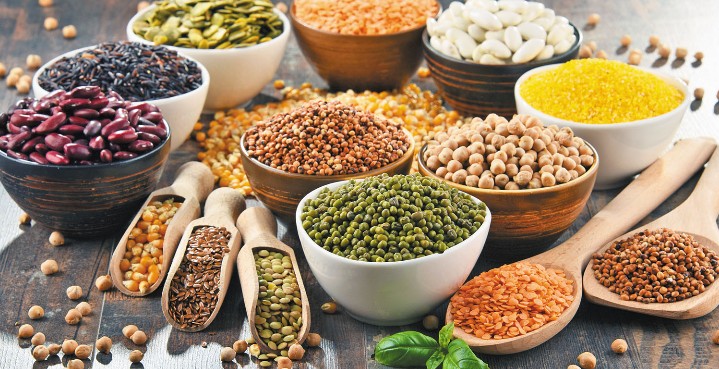
Legumes make up about 10% of the macrobiotic diet, including soybeans, which can be eaten in different forms like tofu and tempeh.
-
Soup :-

The macrobiotic diet includes having one or two cups of soup every day. Most people following the diet choose soups with soybeans, like miso soup.
-
Oils :-

In the macrobiotic diet, you can use unrefined vegetable oils for cooking and dark sesame oil for flavor. The diet also allows light sesame oil, corn oil, and mustard seed oil.
-
Spices and seasonings :-

People following the macrobiotic diet often add flavor by using sea salt, brown rice vinegar, umeboshi vinegar, grated ginger root, fermented pickles, toasted seaweed, and chopped green onion.
-
Drinks :-

It's better to drink spring water and high-quality well water on the macrobiotic diet. The diet also includes some teas like kukicha tea, stalk tea, roasted brown rice tea, dandelion root tea, and barley tea.
Caffeinated drinks and sweetened beverages are not recommended.
-
Animal products :-
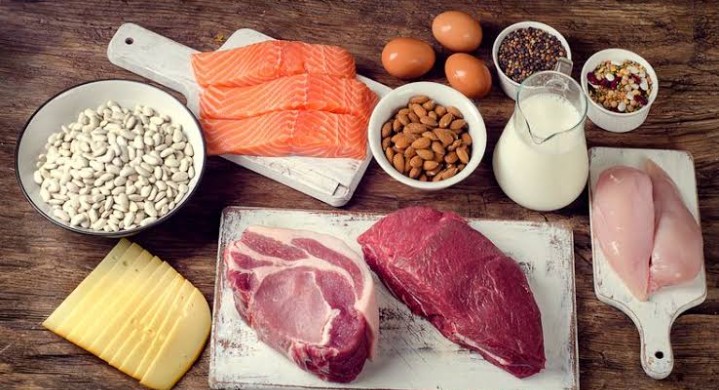
Usually, the macrobiotic diet avoids meat, poultry, eggs, and dairy products.
Small amounts of fish and seafood are typically eaten several times a week, often with hot radish, ginger, and mustard.
-
Fruit :-

The macrobiotic diet allows eating local seasonal fruits several times a week. This can include (apples, pears, peaches, apricots, grapes, berries, watermelon). Usually it avoids tropical fruits like (mango, pineapple).
-
Nuts and seeds :-

You can season nuts and seeds lightly with sea salt and roast them. Be aware that nuts and seeds are calorie-dense with 150 to 200 calories per ounce (1/4 cup).
-
Sugars and sweeteners :-

The macrobiotic diet encourages naturally sweet foods like (fruits, dried fruits, zucchinis) which it considers good.
It also forbids other sweet foods like (sugar, honey, molasses, chocolate).
-
Sample shopping list for the macrobiotic diet :-

Sticking to the macrobiotic diet can be tough, maybe because it’s hard to pick the right foods for the diet or some foods are expensive. Here’s a shopping list sample which might make it easier for you :-
-
Whole grains: brown rice, barley, buckwheat.
-
Dark leafy greens: kale, broccoli, cauliflower.
-
Fruit: apples, pears, peaches, berries, grapes, watermelon.
-
Bean products: soybeans, tempeh.
-
Fish: halibut, herring, trout.
-
Unrefined vegetable oils: light sesame oil, corn oil, mustard seed oil.
-
Spices and seasonings: umeboshi vinegar, ginger root, fermented pickles, toasted seaweed, sesame seeds.
-
Tea: roasted barley, brown rice, dandelion root.
-
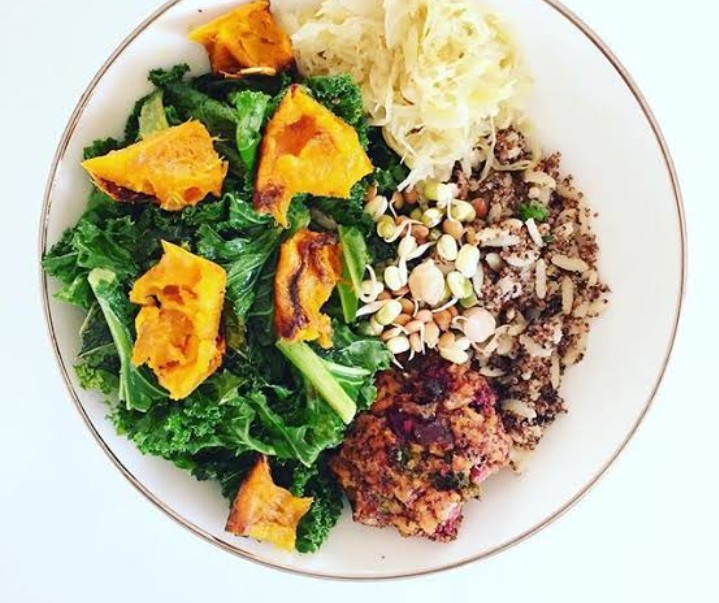
Sample meal plan inside the macrobiotic diet system :-
-
Day one :-
-
Breakfast :- a cup of miso soup cooked with dashi + ½ cup of tofu.
-
Lunch :- ½ cup of steamed vegetables + 1 cup of barley + ½ cup edamame.
-
Dinner :- 100 gm of boiled halibut fish + ½ cup bok choy + fried oyster mushrooms.
-
Day two :-
-
Breakfast :- a cup of cooked buckwheat covered with a berry mix.
-
Lunch :- a cup of seaweed salad with pickled burdock root.
-
Dinner: Tofu with Arouki beans, seaweed, brown rice, and vegetables.
-
Day three:
-
Breakfast: One cup of brown rice, avocado, seaweed, sprouts, soy sauce, and eggs + ⅓ cup of pickled vegetables.
-
Lunch: Burdock root and carrots + 1 cup of herring salad + beans.
-
Dinner: One cup of sugar-free fried broccoli + ½ cup of fried tempeh.
-
Positives of the macrobiotic diet:

If you enjoy the foods in the macrobiotic diet and feel comfortable sticking to it, it could be worth it because of the big health benefits it offers:
-
Healthy ingredients:

The macrobiotic diet is low in fat, sugar, and all types of processed foods. It's also rich in fiber-rich and healthy foods.
So, the macrobiotic diet boosts your intake of these healthy options, which improves your health.
-
Boosts health and longevity :-

The anti-inflammatory traits of the macrobiotic diet can protect against many chronic diseases and slow aging. This has been proven in some studies and research.
-
Prevents and treats diabetes :-

Some research reports from 2014 found that the macrobiotic diet helps control blood sugar and lowers heart and blood vessel disease risks in adults with diabetes.
There are also studies saying the diet lowers some signs of insulin resistance and inflammation. These are key factors in diabetes and its progression.
-
Lowers cancer risk :-

Some studies say the macrobiotic diet lowers cancer risks. This is because the diet encourages a healthy lifestyle with less red meat, avoiding processed foods, keeping a healthy weight, regular exercise, less stress, and no smoking. All this helps reduce the chance of cancer.
-
Downsides of the macrobiotic diet:-

Like other diets, although it has some health benefits, it also has drawbacks:-
-
Restrictive diet:-
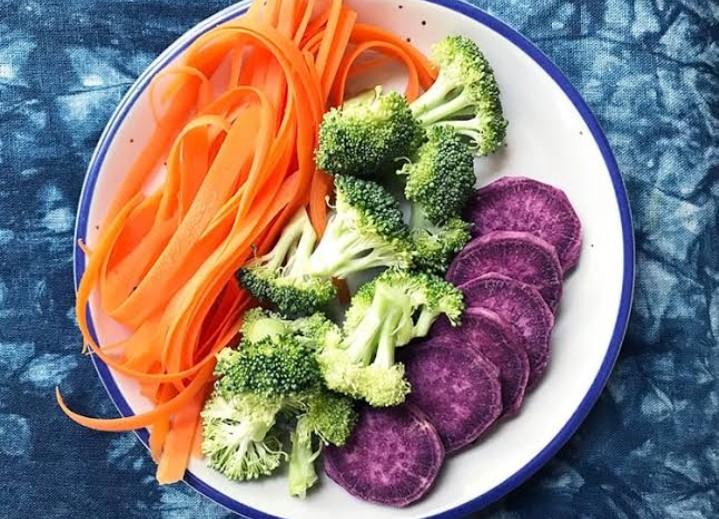
Because it has no animal products, the macrobiotic diet can lack many important nutrients like protein, vitamin B12, iron, magnesium, and calcium.
That's why health experts warn that the macrobiotic diet can often be too restrictive for some people.
-
Time consuming:-

The macrobiotic diet can be complicated and take a lot of time to balance all the nutrition and lifestyle factors it includes. Also, the recipes take longer to prepare, from planning, shopping, prep, to cooking.
It's also better to use organic products in this diet, which can be expensive for many people.
-
The diet might need supplements :-

Since the macrobiotic diet avoids animal products, it lacks many micronutrients, vitamins, and minerals, so you need to make them up with supplements, which can also be costly for many.
-
Is the macrobiotic diet healthy for you :-

The macrobiotic diet is a lot like plant-based diets since it mostly uses plant foods, but it also allows some fish and seafood.
The diet is more a philosophy than just a meal plan. It tries to balance the body with diet and lifestyle, but it can be more restrictive and harder than some other diets.
The macrobiotic diet doesn’t count daily calories and isn’t mainly for weight loss. Still, you might lose some weight because it focuses on whole foods and complex carbs and avoids processed foods and sugars.


