Polycystic ovary syndrome (PCOS) is the main reason for ovulation infertility, with about 80% of women with PCOS facing fertility challenges from it.
So if you have PCOS and trouble getting pregnant, you have many treatment options. First, lifestyle changes to boost fertility, then you can use meds and hormone treatments to help you conceive.
• How PCOS affects fertility:

A key sign of PCOS is irregular or missing periods. Sometimes women with PCOS might miss periods for months or years, others might bleed for weeks each cycle, and few keep regular periods.
Irregular or missing periods in PCOS happen because of a basic hormone imbalance.
Infertility is usually diagnosed when a couple can't get pregnant after 12 months or more, or after 6 months or more if the woman is 35 or older.
Miscarriage is also common with PCOS, often due to hormone imbalances and high insulin levels.
•First: Lifestyle changes:

Lifestyle changes can make a big difference in controlling your levels and preparing your body well for pregnancy, and it can also improve egg quality and ovulation, increasing your chances of getting pregnant.
Changing your diet, exercising, managing stress levels, and arranging your sleep can all help improve your fertility.
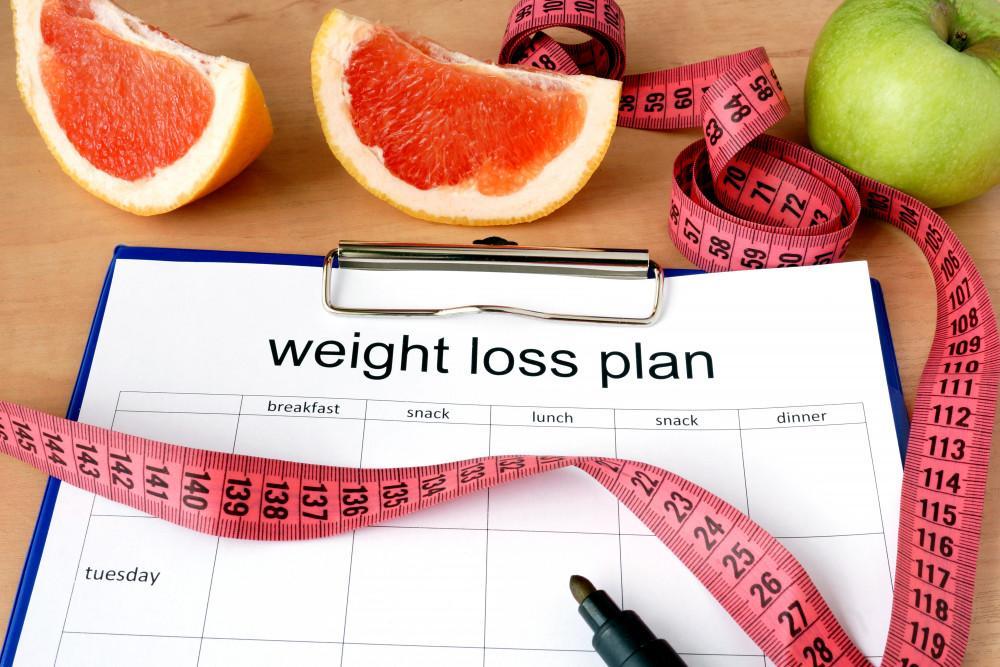
You should also watch your weight, as studies show that if you are overweight, losing at least 5% of your total weight can improve fertility.
•Healthy diet:

Healthy diets are key in helping with polycystic ovary syndrome treatment. A diet rich in antioxidants, focusing on moderate amounts of unprocessed carbs, and including fruits, vegetables, beans, lentils, grains like quinoa and oats, unsaturated fats like olive oil, nuts, seeds, fish, and avocado is recommended.
It's also advised to avoid refined and processed carbs, and processed foods.
If you're not sure how to start a healthy diet, you can get help from nutrition experts.
•Regular physical activity:-

Studies show that regular physical activity can improve ovulation and insulin resistance. So try to do at least 30 minutes of physical activity daily. You can split this time into shorter sessions throughout the day as you prefer.
•Vitamin D:-

Vitamin D is not just a vitamin, it is also a hormone. So it's recommended for women who might get pregnant because it plays an important role in the growth of the fetus, including its teeth, skin, hair, and eyesight.
For women with polycystic ovary syndrome, some studies suggest Vitamin D supplements can help improve symptoms by regulating hormone levels.
•Second:- Medications and hormone treatments:-
•Metformin:-

Metformin is one of the most common diabetes medications. It helps lower insulin resistance in women with polycystic ovary syndrome. It also improves menstrual cycle regularity. Some studies show Metformin may reduce the risk of miscarriage and gestational diabetes.
Still, there's no proof metformin boosts pregnancy rates in PCOS. It's not approved for infertility linked to PCOS.
•Gonadotropins (Gonadotropins) :-

Gonadotropins are also used to improve pregnancy in PCOS. They're made from hormones like LH and FSH or a mix of both. So your doctor might suggest these hormone treatments with fertility drugs to help chances of pregnancy.
•Ovarian Drilling (Ovarian Drilling) :-

With PCOS, the outer layer of the ovaries gets thicker than normal and they produce more testosterone. So this keyhole surgery makes several holes in the outer layer of the ovary wall to lower testosterone levels.
About half of women who have this surgery get pregnant in the first year after. Another plus is it’s done once only, making it cheaper than hormonal treatments.
•Thirdly :- Assisted reproduction techniques :-
There are two main procedures to consider if other treatments don't work, which are :-
• Intrauterine insemination (IUI) :-

It's a fertility procedure timed to match ovulation. It usually has a success rate between 15% to 20% for women who try it.
• In vitro fertilization (IVF) :-

This is done by fertilizing the egg in a lab. It's a more invasive and costly fertility procedure, often used if all other treatments fail. Success rates are usually around 31.6%.
• When to seek help :-

If you're trying to get pregnant, you can consult a reproductive endocrinologist. These doctors specialize in checking factors that affect fertility.
Also, if you're having any mental health issues dealing with pregnancy or infertility problems, you should see a mental health specialist and get support.