


Polycystic ovary syndrome (PCOS) is a medical condition that affects about 1 in 10 women of childbearing age. It involves multiple cysts on the ovary and leads to symptoms like irregular periods and excess hair growth.
Women with PCOS may also have metabolic syndrome, insulin resistance, high cholesterol, and high blood pressure. PCOS can increase the risk of heart disease, diabetes, and uterine cancer.
There is no cure for PCOS, but many symptoms can be treated or managed with lifestyle changes and medication.
•Symptoms of polycystic ovary syndrome:

PCOS symptoms can make this condition very confusing. The symptoms differ from woman to woman and overlap a lot with other diseases. Some women have no symptoms at all. This means many women may be diagnosed wrong or not at all until symptoms get worse.
So learning more about PCOS symptoms can help you know when to see a doctor or get a second opinion if you can’t find a solution to your problem.
• Most common and recurring symptoms:
-
Irregular, absent, or heavy menstrual cycles:
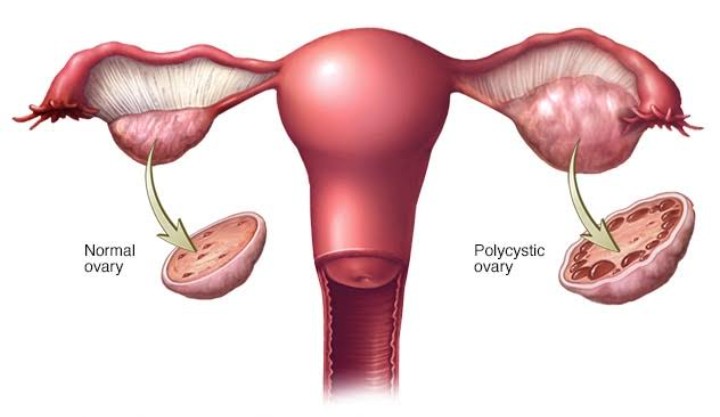
Women with polycystic ovary syndrome usually have high levels of male hormones called androgens, which can affect female sex hormones that control the menstrual cycle.
As a result, few women with PCOS have a regular period, while many suffer from missed periods for several months or irregular cycles that come twice or more in one month.
-
Weight gain:

Rapid weight gain between 5 and 30 pounds in a few months without a clear reason may indicate PCOS. Besides gaining weight, losing it can be hard even with a healthy diet and exercise.
Women with PCOS tend to have higher insulin levels. Insulin acts like a growth hormone that increases weight, especially around the central body and belly. It also makes losing weight difficult. Actually, over half of women with PCOS are obese.
-
Skin problems and acne:

Acne can be one of the first signs of PCOS. Women with PCOS may get acne on their face, back, or chest. Acne usually happens due to high testosterone levels.
There are also dark marks and spots called 'blackheads', which look like dirty black marks on the skin but don't go away no matter how much you scrub. These marks happen because of high insulin linked to PCOS.
-
Extra hair growth:
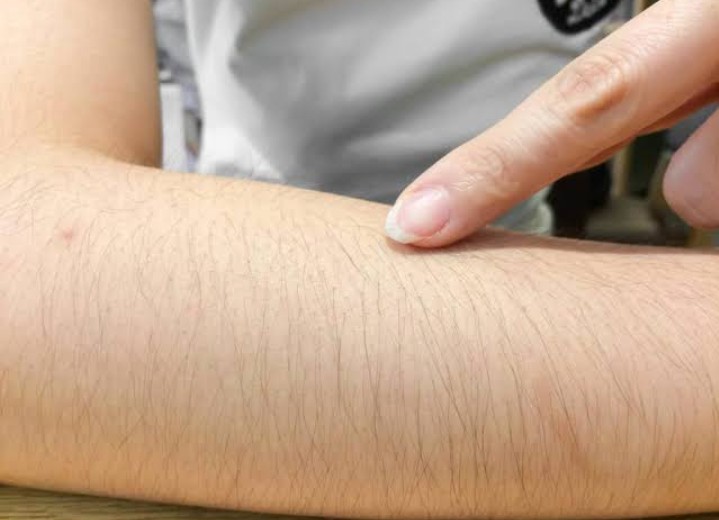
Excess hair growth is a sign of increased hair growth in women and is common in PCOS. It's another effect of high androgen levels like testosterone.
Usually, extra hair grows on the body's center parts (chest, face, back, lower belly, toes, around nipples). Some women with PCOS don’t have this extra hair growth while others have a lot.
-
Hair loss or thinning:
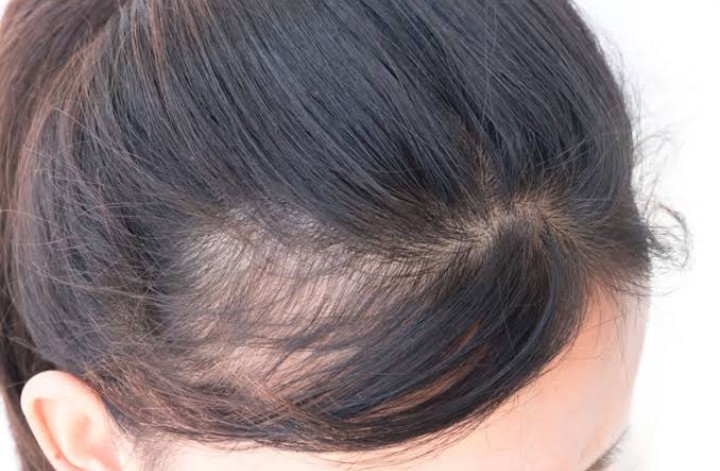
High androgen levels can also cause hair to thin or fall out, even leading to baldness like in men. It’s normal to lose some hair daily but not normal to see a hollow hairline or bald patches. These can be signs of PCOS.
• Some rare symptoms:
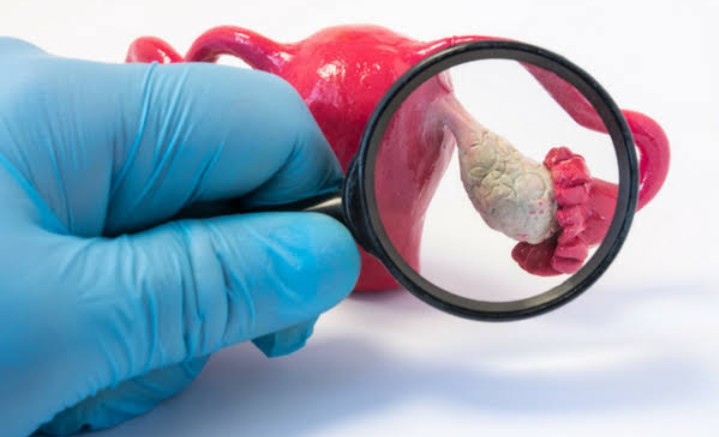
These less common symptoms can also happen with PCOS:
-
Insomnia or lack of sleep.
-
Mood changes.
-
High blood pressure.
-
Sweat gland infections.
-
Hyperkeratosis.
-
Sleep apnea.
-
Fatty liver.
-
Eating disorders.
-
Pelvic pain.
-
Dry skin.
-
Fatigue and headache.
• Complications:

Polycystic ovary syndrome has many complications that are often linked to this condition like:
-
Fertility problems:
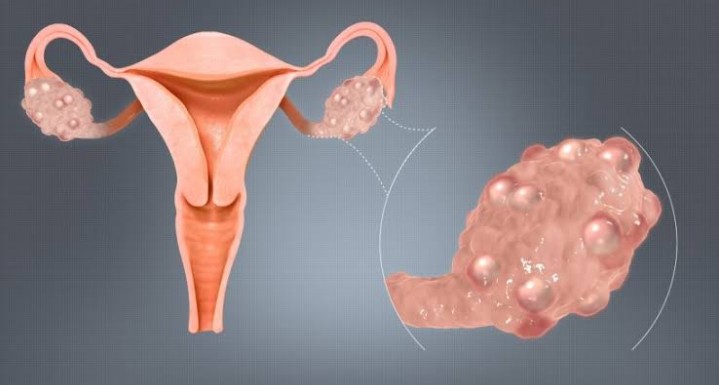
Polycystic ovary syndrome is the main cause of ovulation infertility, so women with it have more trouble getting pregnant.
Hormone imbalance can also stop ovulation by blocking the egg's maturity or release from the ovary. Women with PCOS are also more likely to have miscarriages.
-
Sleep apnea:

One complication of polycystic ovary syndrome is obstructive sleep apnea, which is marked by snoring and quite common among women with this syndrome, affecting up to 20%. The cause might be weight gain or higher testosterone levels affecting sleep receptors in the brain.
Sleep apnea can contribute to insulin resistance, high blood pressure, and fatigue.
-
Mood disorders:

Mood disorders like anxiety, depression, and bipolar disorder are more common in women with polycystic ovary syndrome. It's unclear if this is due to hormonal imbalances from the condition or the difficulty of coping with such a frustrating and complex illness.
-
Metabolic syndrome:

Hormonal effects of polycystic ovary syndrome make affected women more likely to get metabolic syndrome. This includes high blood pressure, high blood sugar, abnormal cholesterol levels, and excess body fat especially around the waist. This condition also raises the risk of heart disease, stroke, and diabetes.
• When should you see a doctor?

If you notice any of the mentioned symptoms or some of them, you should talk to your doctor right away. If you’re not happy with their opinion and think you have PCOS, you can get a second opinion. Many women with PCOS only get diagnosed after trusting their gut that something is off.


