
Fasting during Ramadan is a big challenge for diabetics. Some find it very hard, while for others, it can be safe. It all depends on the doctor and if they allow fasting or not. This article will explain how diabetics can fast during Ramadan and the risks and complications involved.
-
Fasting for diabetics during Ramadan:
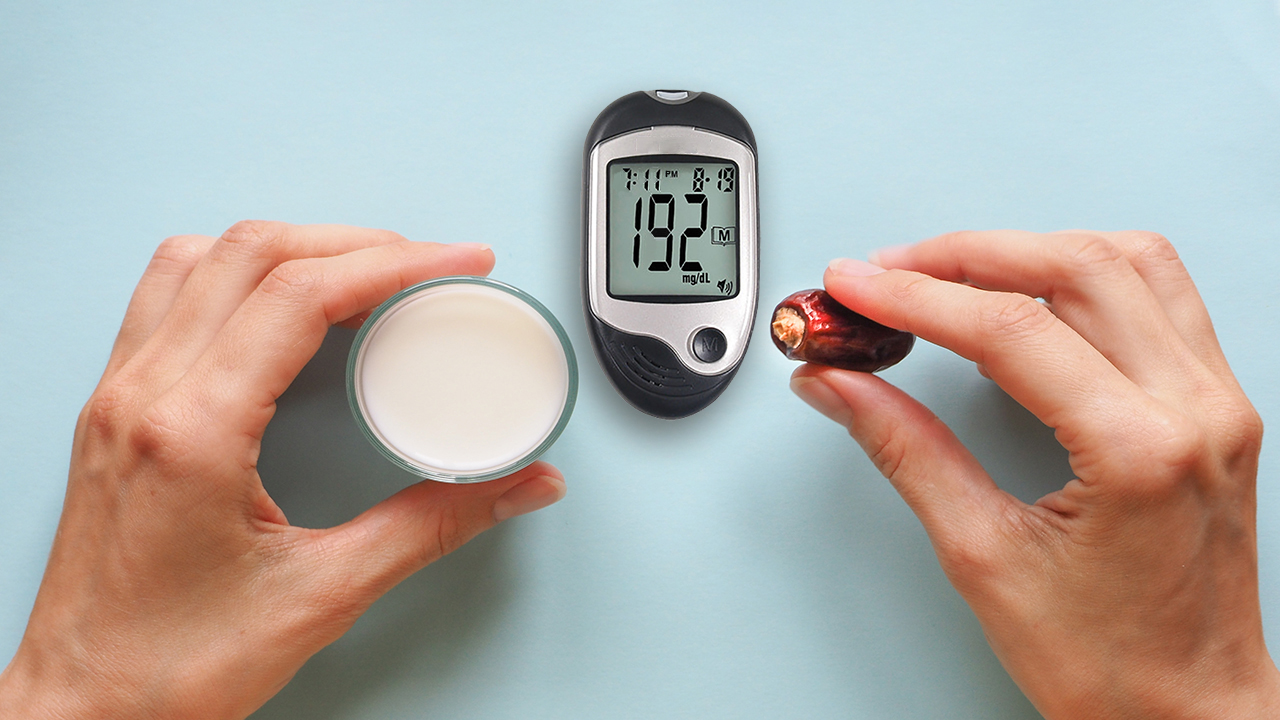
If you are diabetic and decide to fast during Ramadan without checking with your doctor, you risk serious health problems that could worsen your condition.
As mentioned, diabetics should fast during Ramadan only under a doctor's supervision, who may adjust diabetes management based on the month's conditions.
-
Risks of fasting for diabetics:

There are many risks for diabetics fasting in Ramadan such as low blood sugar, high blood sugar, diabetic ketoacidosis, and dehydration.
-
High blood sugar levels :-
High blood sugar (glucose) is a risk for diabetics during fasting, because they reduce their diabetes meds, especially if they use insulin, to avoid low blood sugar.
If diabetics cut their insulin shots too much, their blood sugar (glucose) will rise a lot, putting them at risk for hyperglycemia and even diabetic ketoacidosis.
-
Low blood sugar levels :-
It's known that eating less lowers blood sugar, so diabetics might risk low blood sugar from fasting. Although few studies back this up, it can happen and some diabetics have ended up in hospital due to low sugar while fasting.
-
Dehydration :-
Dehydration is a risk for diabetics fasting during Ramadan because they don't drink enough fluids due to long fasting hours or heavy physical activity.
Dehydration can also happen from some diabetes drugs like SGLT-2 inhibitors and diuretics. High blood sugar also causes dehydration since it makes you pee more.
Dehydration can thicken the blood, which raises the chance of clots. Clots are also a risk for diabetics when they fast.
-
How do different types of diabetes get affected by fasting risks?

People with type 1 diabetes face bigger risks when fasting compared to those with type 2. That's because they take insulin and need to adjust their doses when fasting. If they don't lower the insulin properly, they risk low blood sugar. But if they lower it too much, they might get high blood sugar.
Type 1 diabetics also face higher risks of dehydration and diabetic ketoacidosis compared to type 2 diabetics.
-
Tips for diabetics during Ramadan:

There are some guidelines diabetics should follow during Ramadan, especially after getting approval from their doctor to fast, and they are:
-
Patients on insulin should check their glucose levels more often than usual.
-
Diabetics should eat breakfast as soon as possible and not delay it. It's better to split the breakfast into small meals.
-
Avoid foods high in sodium and fats.
-
Choose complex carbs instead of simple ones.
-
You can replace juices with fresh fruits and vegetables.
-
Drink plenty of water from after iftar until suhoor.
-
Do not skip suhoor, make sure to eat it.
In conclusion, diabetics should not fast during Ramadan or do any other fasting unless the doctor allows it. Depending on your doctor's opinion, you can also ask the religious authority how to fast properly or if you should fast at all.
Article sources :- 1.