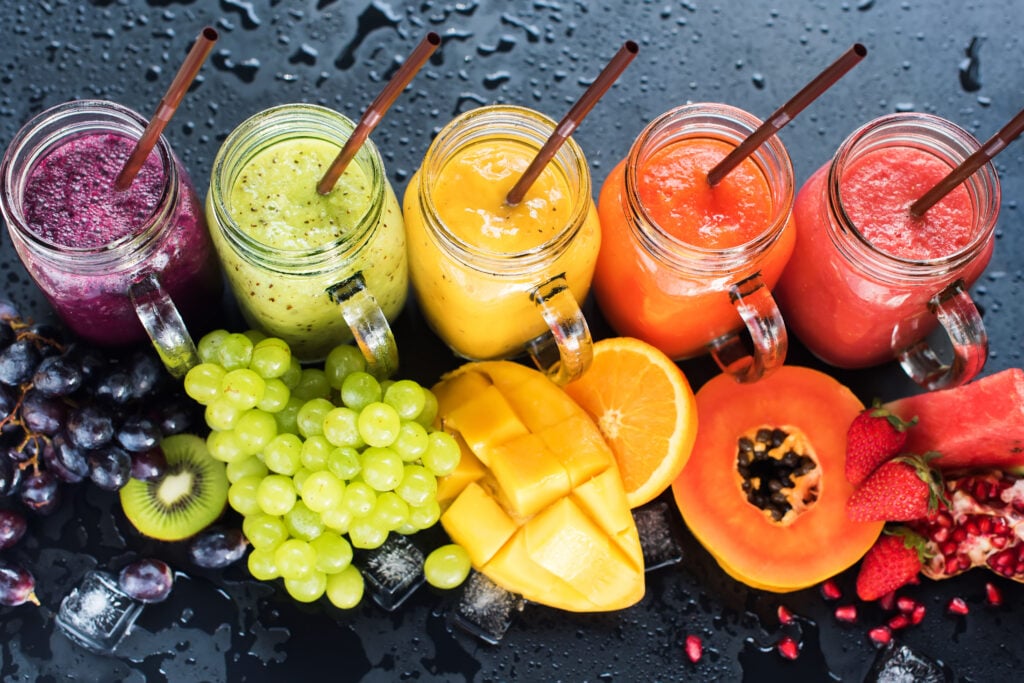
Doctors always recommend that 80% of your health and fitness comes from the food you eat because combining protein, carbs, and fats with your workout routine will help you get and keep the best body
Here, lady, are the basics of nutrition for high fitness goals.
What are the main nutrients your body needs?

Your body needs three main parts - carbs, proteins, and healthy fats for ideal health.
- Carbohydrates: These are the preferred fuel for most body cells. Carbs feed your body and brain, give you energy, protect your muscles, and also feed the bacteria in your gut.
Foods high in carbs include vegetables, starchy foods, bread, pasta, rice, grains, legumes, and dairy products.
To get the most unprocessed carbs, your diet should include
meals with sweet potatoes, fruits, veggies, and whole grains.
- Proteins : are the body's building blocks. They’re needed for fitness, build and repair muscles after workouts, and also make enzymes, hormones, cartilage, bones, skin, and blood.
Healthy protein-rich foods include chicken, fish, tofu, eggs, dairy, nuts, beans, and other legumes.
- Fats : perfectly complement carbs and proteins. They balance your body by helping absorb vitamins A, D, E, and K, regulate hormones, provide energy, build energy reserves to prevent fatigue during exercise, and protect and insulate your organs.
Some foods with fats: meats, dairy, oils, nuts, and seeds. Healthy fats include salmon, olives, avocado, cashews, and yogurt.
- Besides the main nutrientsYour body needs tiny parts from food and WHO calls main nutrients the magic wand that helps the body make enzymes, hormones, and other stuff needed for proper growth and development.
- IronIt helps carry oxygen all over the body. If you don’t have enough iron, you might get weaker immunity and could get anemia. Iron’s found in red meat (best source), chicken, fish, grains, veggies, beans, nuts, and eggs.
- Vitamin AImportant for eyesight, immune system, skin, and kids’ growth. Vitamin A’s in liver, oily fish, milk, egg yolk, and cheese.
- Iodine: Needed to make thyroid hormones that control the body's metabolism and help bones and brain grow during pregnancy and breastfeeding. You find iodine in seafood, seaweed, dairy (small amounts), veggies, meat, and fortified foods like salt and bread.
- Vitamin C: Essential for keeping gums, teeth, and bones healthy, helping wounds heal, fighting infections, absorbing iron, and making collagen to build bones and blood vessels.
Vitamin C is found in colorful fruits and vegetables.
- CalciumNeeded to build and keep bones strong, helps blood clotting, muscle tightening, and controls blood pressure. Best sources are dairy products (especially milk, cheese, yogurt). Other calcium-rich foods besides dairy are sesame seeds, nuts, shrimp, sardines, and dark green veggies.
A healthy diet looks like this:

Variety is the spice of life and your diet should have it. For example, some groups live long, healthy lives in so-called blue zones (areas where people live longer than average worldwide). Even though they eat different foods, science backs some common patterns.
The first pattern focuses mostly on eating plant-based foods (whether you include animal products or not).
The second pattern centers on eating unprocessed foods. People worldwide get fit by cutting down on refined carbs, added sugars, and processed foods.
Is there an ideal ratio of carbs, protein, and fat?
We're all different and our dietary needs vary, but the ideal plate is a model for a balanced meal.
-
Half the plate with non-starchy colorful veggies and/or fruits
-
A quarter plate of carbs
-
A quarter plate of protein
This model works for simple meals and mixed ones like pasta or fried dishes. Age, energy level, activity, and some health cases might need more or less of certain nutrients. Ask your doctor or nutritionist if unsure about anything.
How many meals should you eat daily?
Three meals a day is the usual way. This eating pattern fits well with many people's fitness routine. Breakfast is one of the most important meals and has positive health effects including weight control. Science shows meal timing doesn't matter much as long as the body gets proper nutrition.
What's the right diet when doing sports?
Whether you play sports or run, food can change how much energy you have and also help you recover from exercise. Remember to eat healthy all day (not just before and after working out) because your body stores nutrients for later.
What should I eat before and after working out?
- Morning workouts: Your body can use food that's already digested, so it might be better not to eat before exercising. You can eat two hours after finishing your morning fitness routine (have a meal rich in carbs and protein).
- Evening workoutsEat a meal with carbs and protein 3 to 4 hours before working out. If you want a snack, have a smaller amount of these nutrients 1 or 2 hours before training. You should eat a meal two hours after exercise. If your day is almost over, don't reward yourself with extra food since you won't have another chance to burn it off.
The importance of drinking water

Drinking water is essential to keep the body hydrated whether you exercise or not. Water is naturally lost through breathing and sweating. When you do any sport, you lose water faster. So, it's important to maintain proper hydration. You can check this by watching the color of your urine.