


Skeletal muscles, also called voluntary muscles that you can control, are the most well-known among the three types of muscles. These muscles connect to your bones via tendons and all body part movements come from these muscles.
Skeletal muscles are found in all parts of the body, including:-
-
Muscles of the head and neck.
-
Muscles of the trunk.
-
Muscles of the upper limbs.
-
Muscles of the lower limbs.
-
First:- Anatomy of the muscles of the head and neck Muscles of the Head and Neck:-
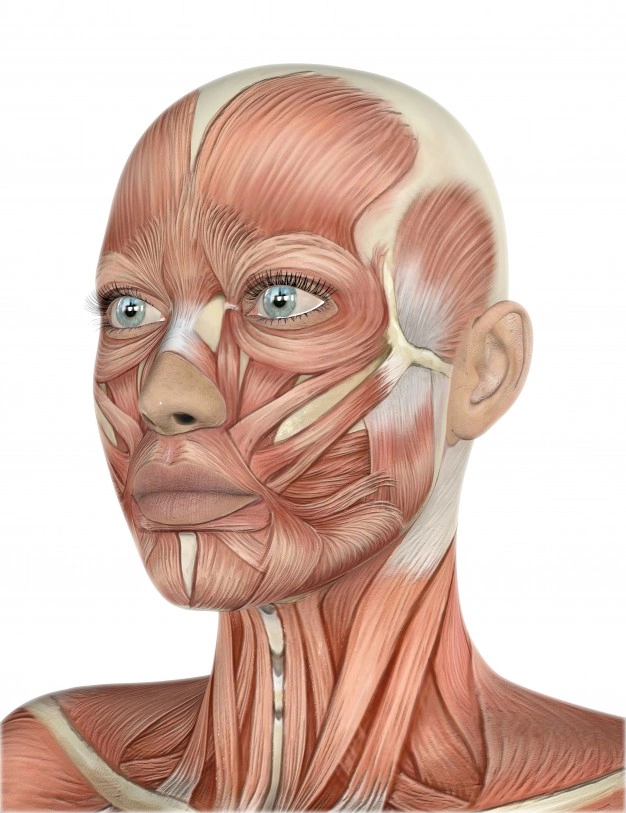
The skeletal muscles in this area control the movement of the face, head, and neck, andThe muscles found in this area are :-
-
The large zygomatic muscle (Zygomaticus):- This muscle helps make facial expressions, like lifting the corners of the mouth when smiling.
-
The masseter muscle (Masseter):- The masseter muscle is in the jaw, and it works to close the mouth and chew food.
-
Eye muscles (Extraocular) :- They are a group of muscles that control eye movements and also help open and close the eyelids.
-
Tongue muscles (Tongue):- This group of muscles helps raise and lower the tongue, plus assists moving the tongue in and out.
-
Sternocleidomastoid muscle (Sternocleidomastoid): This is the muscle involved when turning the head or tilting it to the side, and it also helps tilt the head forward.
-
Second: Muscles of the trunk (Muscles of the Trunk):
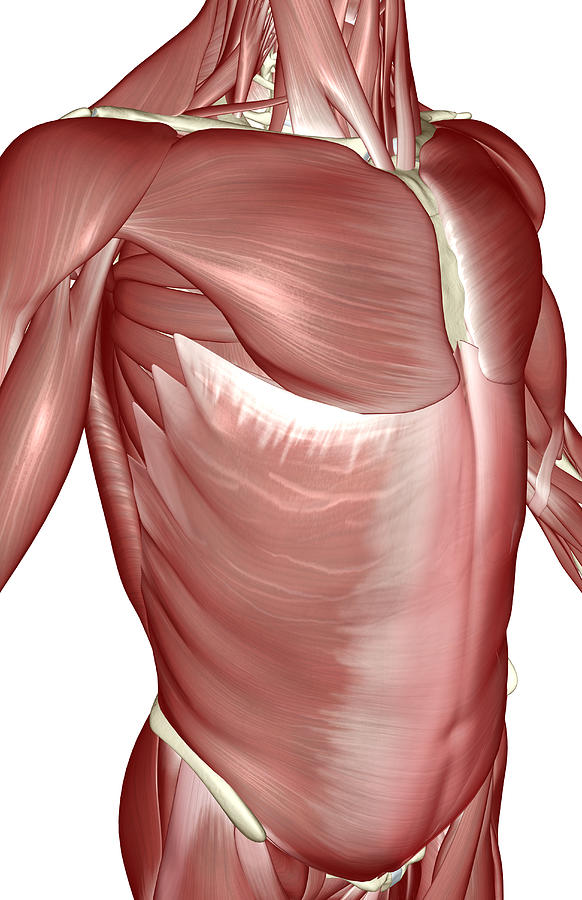
These muscles are located in the trunk and belly area of the body, and they consist of a group of muscles which are:
-
Erector spinae muscles (Erector Spinae) :- Help The erector spinae muscles Support and straighten the spine, and enable movements like bending, arching, and twisting the spine.
-
The oblique muscles (Oblique Muscles) :- This muscle group which includes The internal oblique muscles, and the external oblique muscles, this muscle group helps move to the side, or twist the body at the waist.
-
The intercostal muscles (Intercostal Muscles) :- Intercostal muscles They are a group of muscles around the ribs that help make breathing in and out easier.
-
Diaphragm muscle (Diaphragm):- Preferred Diaphragm muscle The chest from the belly, and it also helps in breathing by tightening when inhaling and relaxing when exhaling.
-
Levator muscles (Levator ani):- Anal levator muscle It's a group of muscles that support the organs and tissues around the pelvis. They are also important for urination and bowel movement.
-
Thirdly :- Muscles of upper Extremities :-

The muscles of the upper limbs are the muscles that move the shoulder, arm, wrist, and hand, These important muscles include the following :-
-
The trapezius muscle (Trapezius):- Used The trapezius muscle in many movements, including tilting the head back, raising the shoulders, and moving both shoulder blades together.
-
The pectoralis major muscle:- It is located the pectoralis major muscle at the upper part of the chest, and is used in rotational, vertical, and lateral arm movements.
-
The deltoid muscle:- It works the deltoid muscle to lift or rotate the arm at the shoulder.
-
Biceps brachii muscle (Biceps brachii) :- Biceps brachii muscle It bends the forearm, and when it does, the elbow starts to bend.
-
Triceps brachii muscle (Triceps brachii) :- Triceps brachii muscle It extends the forearm and strengthens the elbow.
-
Fourth:- Muscles of lower Extremities :-
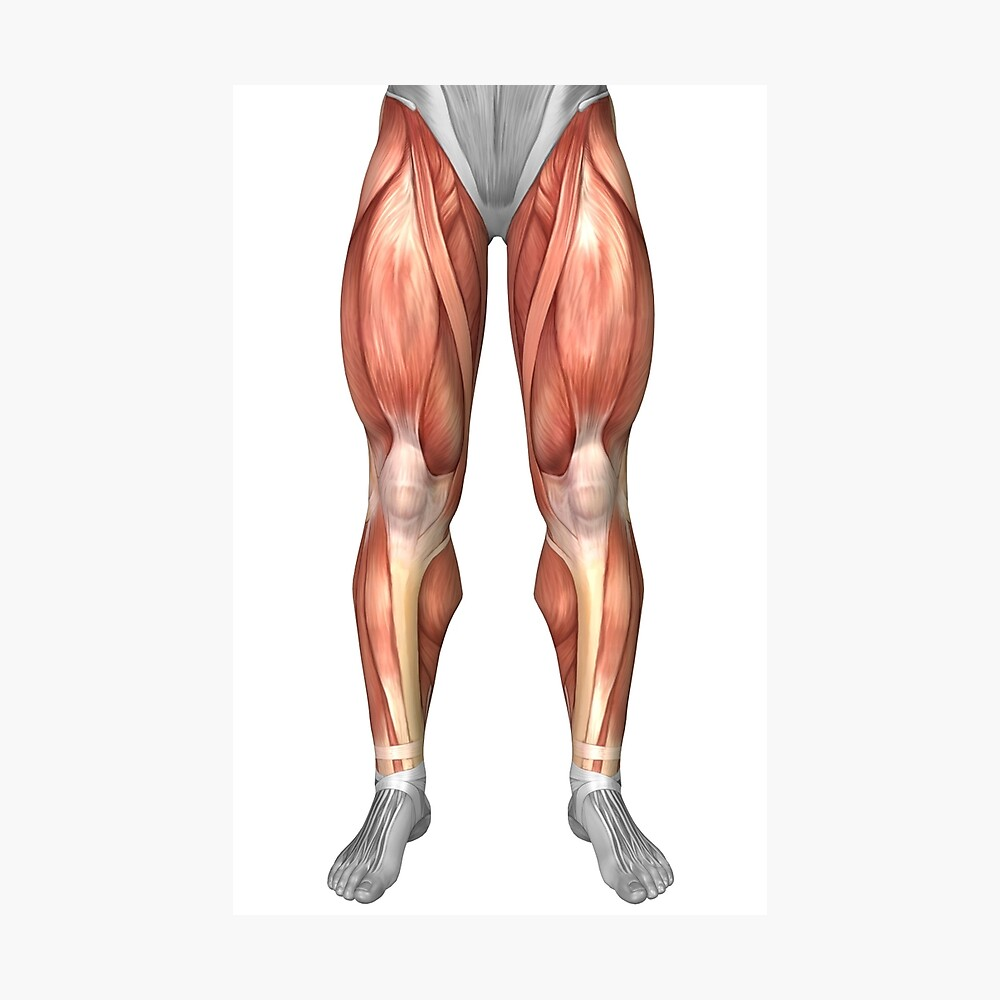
This area includes the muscles that move the leg and foot, These important muscles include :-
-
Gluteus maximus muscle (Gluteus maximus ) :- used Gluteus maximus muscle to move the hips and thighs. It’s very important for keeping body posture, standing up from sitting, and climbing stairs.
-
Quadriceps thigh muscles ( Quadriceps ):- Quadriceps thigh muscles These are a group of muscles located at the front of the thigh, working together to straighten the leg at the knee.
-
Hamstring muscles :- located Hamstring muscles At the knee, at the back of the leg, this group of muscles helps extend the thigh and bend the leg at the knee.
-
Tibialis anterior muscle:- used Tibialis anterior muscle When lifting the sole of the foot off the ground.
-
The soleus muscle (Soleus):- It works The soleus muscle to lower the heel to the ground, and it’s also important for keeping posture while walking.


