Symptoms Premenstrual Syndromeand its treatment, most women suffer from what is known as Premenstrual Syndrome, which refers to a set of changes in mood, emotions, physical health, and behavior.
Premenstrual Syndrome stage starts about two weeks before the period begins and lasts until a few days after the period starts.
Premenstrual Syndrome shows up every month and is a common concern for about 48% of women of reproductive age. It affects daily life and normal activities and can pose a real threat to about 20% of women who suffer from it.
Contrary to what many think, Premenstrual Syndrome is a real condition. It can disrupt daily life, cause major physical discomfort, and emotional distress, so in this article we will learn together about the symptoms of Premenstrual Syndrome and ways to ease and treat it.
Symptoms of Premenstrual Syndrome
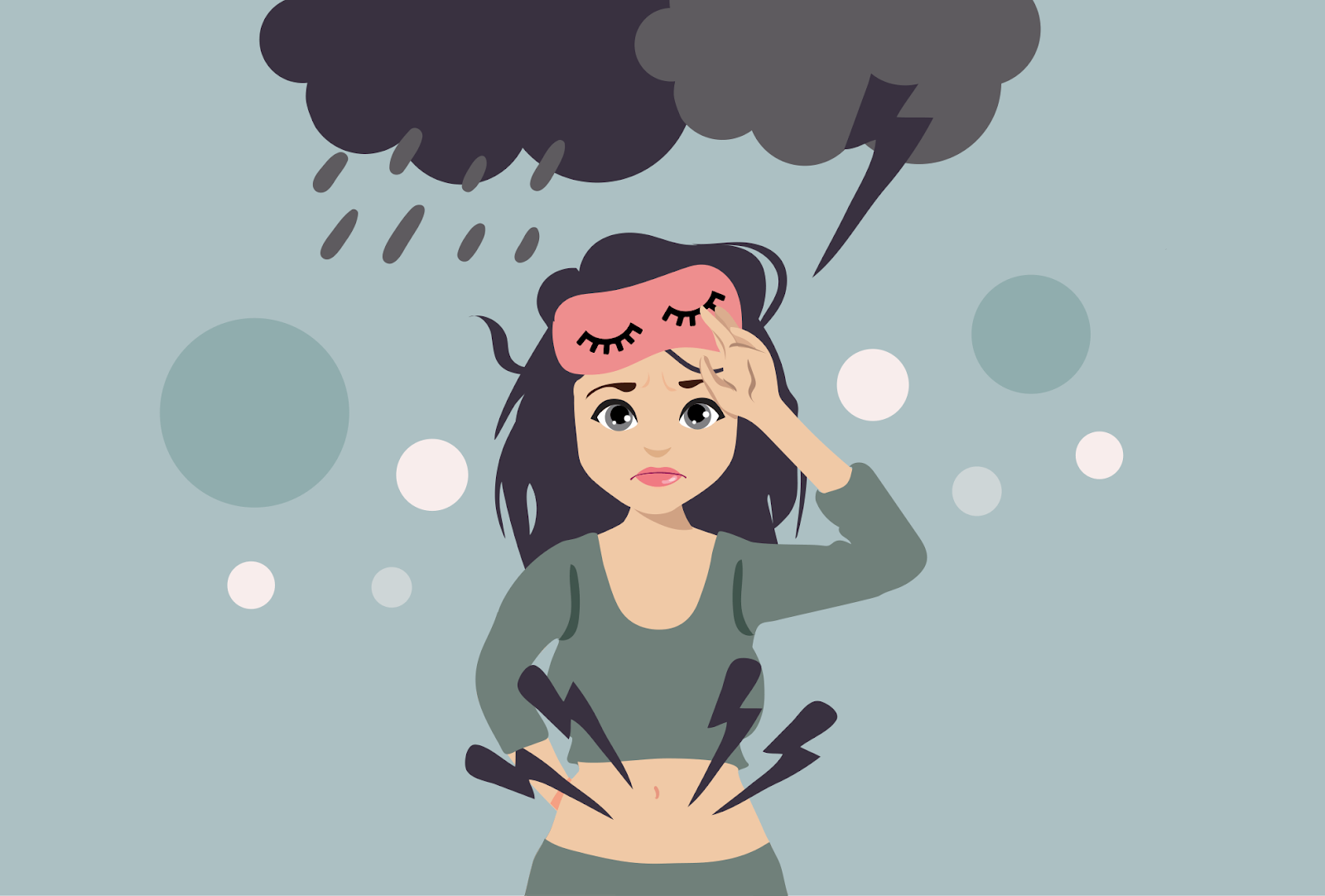
While PMS often brings mild or moderate symptoms that don't seriously affect daily life, sometimes symptoms can be strong enough to impact daily activities and overall energy.
If you're one of the women who suffer from PMS, you'll get symptoms every month before each period. You might experience all the symptoms we list or just some of them.
First:- Behavioral symptoms of PMS

These symptoms include behavioral, mood, and emotional changes related to PMS, which might include the following:-
-
Anxiety and feelings of anger, distress, and unusual irritability.
-
Changes in appetite, including strong cravings for food, especially sweets.
-
Changes in sleep patterns, including tiredness, insomnia, and trouble sleeping.
-
Mood swings that lean towards sadness and low mood, which might include crying and sudden uncontrollable crying.
-
Quick mood changes and emotional outbursts.
-
Trouble concentrating or remembering things.
Second: Physical symptoms of premenstrual syndrome
During premenstrual syndrome, you might also notice some physical symptoms, Like:
-
Bloating in the stomach.
-
Swelling and sores in the breasts.
-
The appearance of acne.
-
Constipation or diarrhea.
-
Unusual sensitivity to light or sound.
-
Feeling a bit dull.
When PMS symptoms appear
On average, the menstrual cycle takes about 28 days. The egg release, or ovulation, happens on day 14 or in the middle of the cycle.
PMS symptoms can start anytime after ovulation, but mostly show up a week before your period and last about 5 days or so after it starts.
Causes of Premenstrual Syndrome
Scientific research hasn’t found a definite cause for premenstrual syndrome or why some suffer its symptoms more. Still, researchers have suggested some different theories about how it happens. These are :-
-
Periodic hormone changes
Many researchers believe PMS happens in response to changes in levels of estrogen and progesterone.
These hormones naturally fluctuate during the menstrual cycle’s luteal phase after ovulation. They peak then drop fast, which might cause anxiety, irritability, and mood changes.
-
Chemical brain changes
Neurotransmitters like serotonin and norepinephrine have important roles such as regulating mood, emotions, and behavior. These neurotransmitters might also trigger PMS symptoms.
For example, low estrogen can cause the release of norepinephrine, which in turn lowers dopamine, acetylcholine, and serotonin. These changes can all cause sleep problems, mood swings, and depression, which are symptoms of PMS.
-
Mental and psychological health status
Living with a mental or psychological condition like depression or anxiety can increase the chances of having PMS or PMDD, which is a more severe form of PMS.
Some women might also notice more PMS symptoms. This means that symptoms of mental health issues like bipolar disorder or depression get much worse right before the period starts.
There’s no clear explanation yet for how mental health symptoms relate to mood changes tied to periods, but many believe it has to do with brain chemistry changes I mentioned earlier.
-
Lifestyle factors
Certain habits might make PMS symptoms worse, which could include:-
-
Smoking.
-
Eating foods high in fat, sugar, and salt.
-
Not getting enough good sleep.
How to ease premenstrual syndrome symptoms
There is no cure for PMS symptoms, but some steps can help reduce how bad they get. Here are some steps:
-
Drink plenty of fluids to reduce bloating, including herbal teas like red raspberry leaf and chamomile, which might ease cramps.
-
Eat a balanced diet It has lots of fruit, veggies, and whole grains, while keeping sugar, salt, and caffeine down.
-
You can ask your doctor about taking supplements like folic acid, vitamin B6, calcium, and magnesium to help reduce cramps and mood symptoms.
-
You can get more vitamin D from sunlight, food, or supplements.
-
Getting 7 to 9 hours of sleep every night helps reduce tiredness and boost overall wellbeing.
-
Try to exercise at least half an hour of physical activity every day as you can, since it can help with workouts It helps reduce symptoms of bloating, cramps, anxiety, and depression.
-
Set aside daily time for self-care, including exercising, relaxing, time for yourself, doing your hobby, or socializing.
-
Some over-the-counter meds can also help ease PMS symptoms, like painkillers and diuretics.
When should you see a doctor?

PMS symptoms vary from person to person, but usually they are bearable and don't disrupt daily life.
If PMS symptoms get bad enough to disrupt daily life, it’s a good idea to see a doctor. They can diagnose PMS and help find possible treatments.