When reading articles about healthy nutrition and different diets on social media or other fields, you might come across countless wrong info about nutrition and health that has nothing to do with the truth. Sometimes the source might even be doctors and nutrition experts themselves, which confuses people.
In this article, we'll look at some of the biggest myths that might be believed as true about healthy nutrition, and why we should get rid of them.
1- Counting calories in and calories burned is all that matters for losing weight:

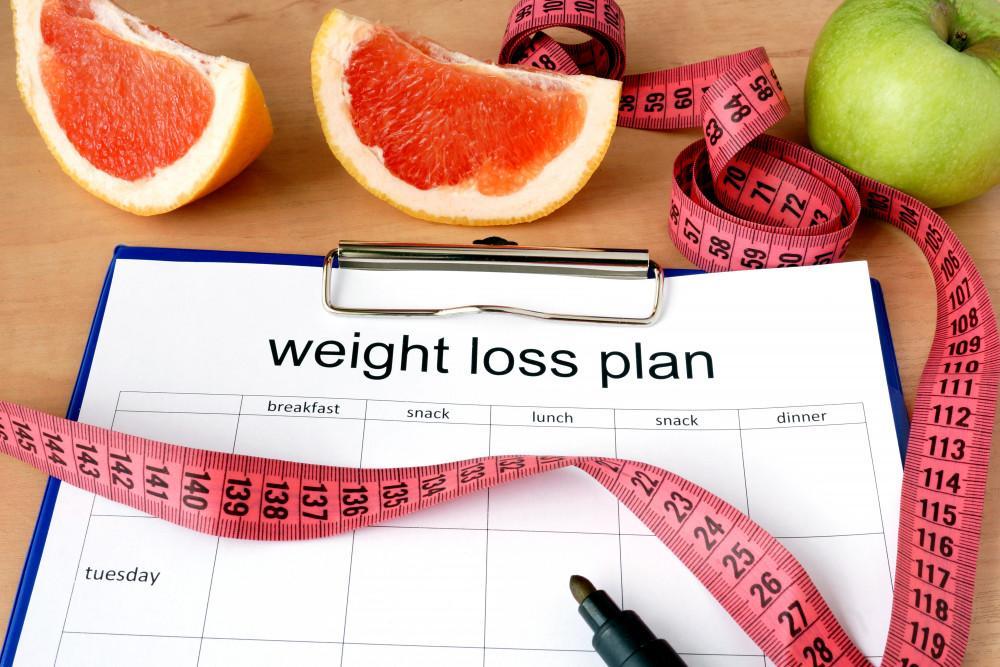
Although the most important factor in losing weight is the difference between the calories you eat and those you burn, just focusing on calories in doesn't explain the many factors that can stop weight loss even if you're on a strict low-calorie diet.
There are many factors that control weight loss and make it hard for some people despite sticking to a strict diet, like hormonal imbalances, some health conditions like thyroid problems, certain medications, and genetics.
Also, some rely on low-calorie foods without considering their nutritional value, which affects overall health.
2- Foods rich in fat are unhealthy:-
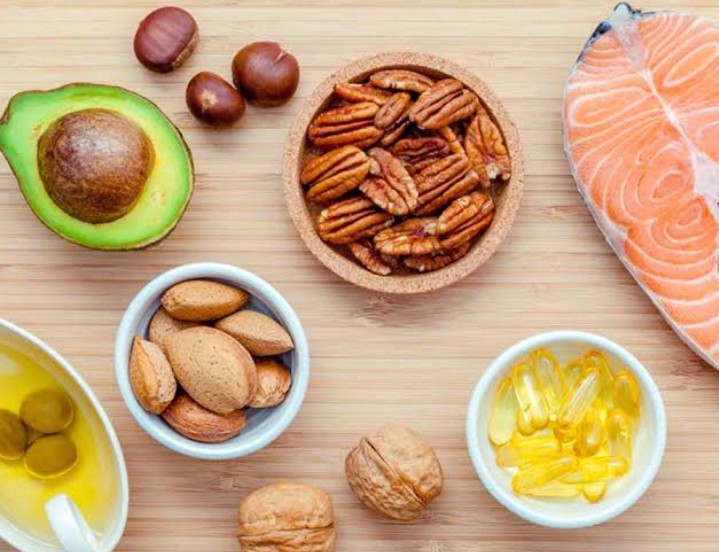
Even though this theory is old and well established, it’s not really true. A lot of people avoid fatty foods and follow low-fat diets hoping cutting fat will generally improve their health.
On the contrary, dietary fats are essential for health. Also, many low-fat diets have been found to cause more health problems like metabolic syndrome, which leads to insulin resistance and high triglyceride levels, and these cause heart diseases.
Also, diets high in fat have shown to be effective and even better than low-fat diets for losing weight.
Anyway, going too far either way, with very low-fat or very high-fat diets, might harm your health.
3- Breakfast is the most important meal of the day:-

While eating breakfast is considered a key factor for setting yourself up for a healthy day, studies show this might not be true for most adults.
Research shows skipping breakfast can lower calorie intake. Results from intermittent fasting, which involves skipping or delaying breakfast, have benefits like controlling blood sugar and reducing inflammation markers.
On the other hand, some studies suggest that having breakfast is good because it means you consume daily calories earlier in the day instead of at night, which is better for your body’s health. So if you like breakfast, eat it. if not, that’s fine too.
4- You should eat small, frequent meals for ideal health:-

Eating small frequent meals regularly throughout the day is a method many use to boost metabolism and lose weight. But if you are healthy, how often you eat doesn’t matter as long as you meet your energy needs.
However, those with some health issues like diabetes, irritable bowel syndrome, and even pregnant women might benefit more from eating more often.
5- White potatoes are unhealthy:-

White potatoes are often seen as unhealthy, so many trying to lose weight stop eating them. But eating a lot of any food - including white potatoes - leads to weight gain.
White potatoes are a source of many nutrients like potassium, vitamin C, and fiber.
They’re also more filling than some other carbs like rice and pasta, so white potatoes should be part of a healthy diet. Eat them baked or roasted and avoid fried.