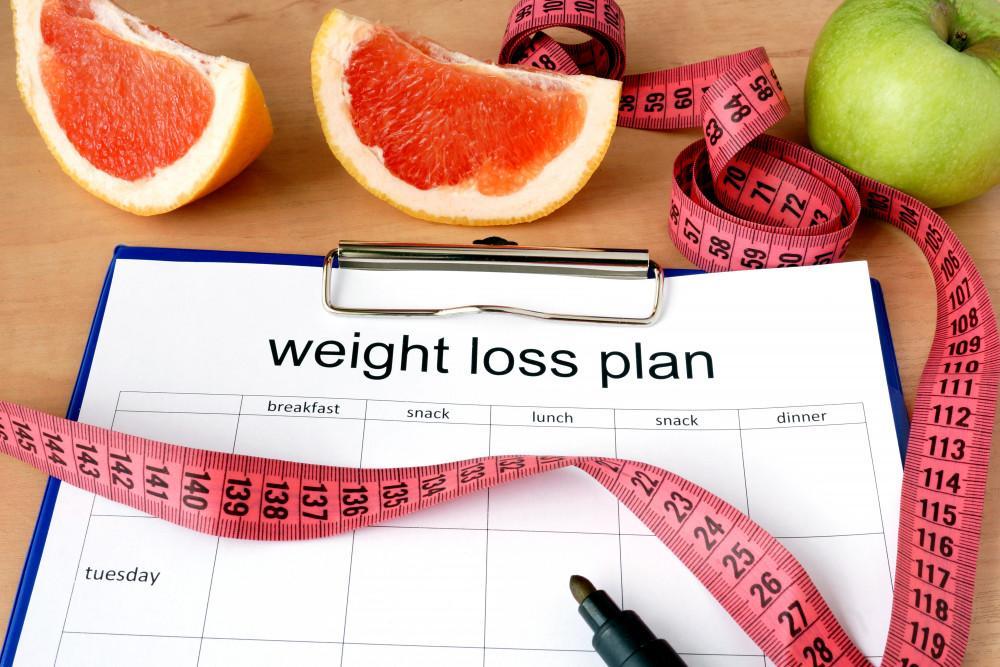
Water weight might be a reason you're not losing weight on the scale. It's the extra fluids your body holds. Even though water retention isn't dangerous, it can cause uncomfortable stuff like bloating. Here are the main causes of water retention and how it affects your weight loss journey, plus what we can do to reduce it:
Not exercising:

Keep exercising to get rid of water weight. If you work at a desk or sit for a long time, you might find it hard to remember to stand and move now and then. Stay active and try to stand or get up from your seat every hour. You can try some warm-up exercises you find here.
Eating too many carbs:

Water links to carbs, so if you eat fewer carbs, you'll lose a lot of water weight. The same happens if you eat more carbs - you'll hold more water. People who 'carb load' before a sports event might notice a slight weight gain because of extra water stored with the extra glycogen for the event.
High sodium levels:
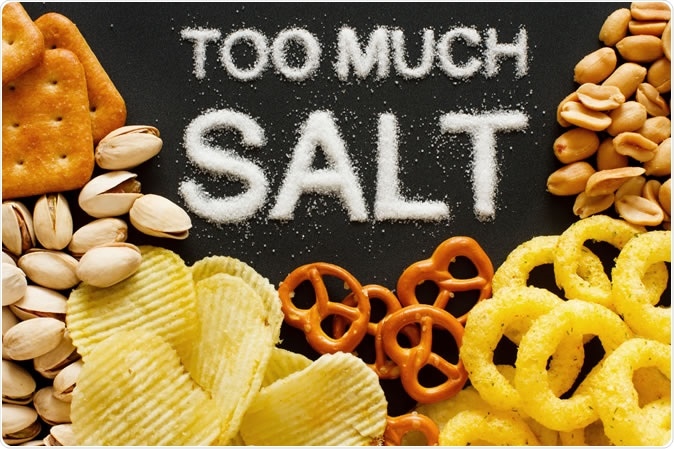
Diets with high sodium (salt) can lead to more fluid retention in your body. Sodium helps control water in your cells. It plays a key role in how your body gains or loses water.
A diet high in sodium means you'll keep more water. You shouldn’t consume more than 1500 mg of sodium daily. The max limit is 2300 mg.
Your body tries to keep a certain salt/water balance. So going over sodium limits can cause a temporary water weight gain. This is your body's way of doing its job and keeping that balance. To help reduce water retention, watch your sodium intake. Moderate your eating of processed and canned foods, which tend to be high in sodium, and also carbs.
Stick to foods like fruits and vegetables. Eat a lot of leafy greens in your diet.
High sugar levels:

Sugar also plays a big role in holding onto water, so cut down sugar to help lose water weight. Too much sugar in your diet raises insulin levels. That makes it harder for your body to flush out salt, meaning you keep more water.