


The body stores fat for energy in many places including the liver, but if fat levels in the liver are really high it could be a sign of fatty liver disease.
There are two main types of fatty liver disease: alcoholic fatty liver disease (ARLD) and non-alcoholic fatty liver disease (NAFLD). Pregnant women can also get a type called acute fatty liver of pregnancy. This rare complication can happen in the last third of pregnancy or early after birth.
Fatty liver disease harms the liver and stops it from clearing toxins from the blood and making bile for digestion. If the liver can't do these jobs well, it raises the risk of other health problems all over the body.
According to the American Gastroenterological Association, lifestyle factors like diet and exercise are key to managing fatty liver disease. A balanced diet can help prevent malnutrition in patients who have liver cirrhosis, since studies show up to 92% of cirrhosis patients are malnourished.
In this article, we'll list foods to include in any fatty liver diet and foods to avoid.
-
First: Foods and drinks that help treat fatty liver disease:

Eating whole natural foods with complex carbs, protein, and fiber is a good start for the diet. These foods give steady energy and help you feel full.
Some people might choose specific diets like the Mediterranean diet. This diet is especially good for people with non-alcoholic fatty liver disease because it cuts down on processed foods, added sugar, and saturated fats.
-
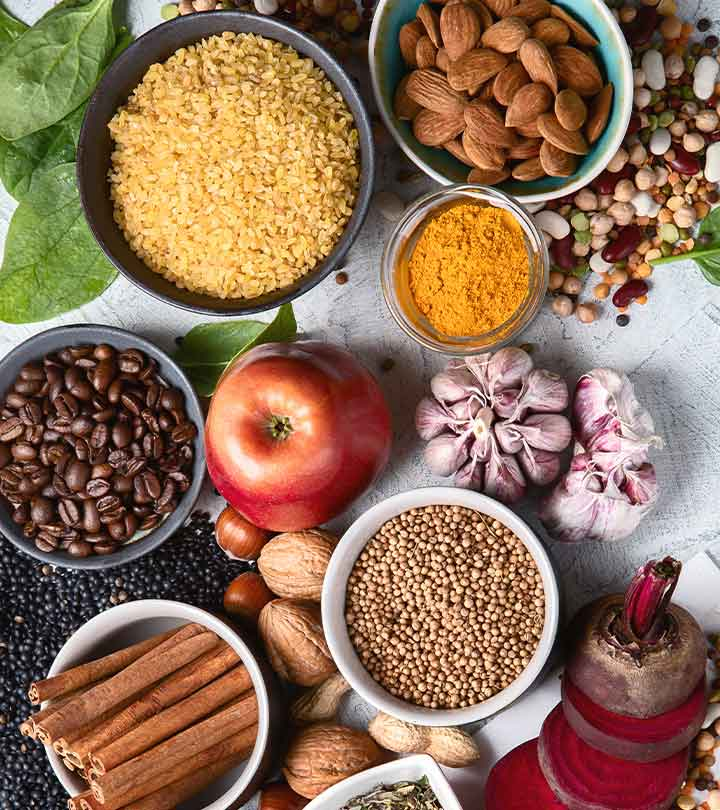
Second :- Some specific foods especially good for people with fatty liver disease :-
-
Garlic :-
Garlic is a key part of many diets and it might offer many benefits for people with fatty liver disease.
A 2016 study in Advanced Biomedical Research found that garlic powder supplements help reduce body weight and body fat mass in people with non-alcoholic fatty liver disease.
-
Omega-3 fatty acids :-
Some reviews say that taking omega-3 fatty acids might improve liver fat and HDL cholesterol levels in people with non-alcoholic fatty liver disease.
Foods rich in omega-3 fatty acids include :-
-
Fish like salmon and sardines.
-
Nuts like walnuts.
-
Seeds like flaxseeds.
-
Coffee :-
Drinking coffee is a morning ritual for many, but it also gives some other benefits besides just energy for those with fatty liver disease.
Some animal studies found decaf coffee lowers liver scarring and inflammation in animals on diets high in fat, fructose, and cholesterol. Other studies showed coffee cut the fat buildup in their livers and improved how their bodies process energy.
-
Broccoli :-
Eating a variety of whole veggies helps people with fatty liver disease. Broccoli is one of the key veggies someone with fatty liver should seriously consider adding to their diet.
Some studies showed that eating broccoli long-term helped stop fat building up in the liver.
-
Green tea :-
Green tea has been used medically for thousands of years. It has lots of antioxidants like catechins. Research says these antioxidants might help ease fatty liver symptoms.
-
Walnut :-
All nuts are great for any diet, but walnuts are especially rich in omega-3 fatty acids. These give big benefits for people with fatty liver disease.
Studies also say eating lots of nuts is closely linked to lower rates of non-alcoholic fatty liver disease.
-
Soy protein or whey :-
Some research found soy protein and whey lower fat buildup in the liver. One study showed liver fat dropped 20% in obese women who ate 60 grams of whey protein a day for four weeks.
Soy protein also has antioxidants called isoflavones. They help improve insulin sensitivity and reduce body fat.
-
Third: Foods to avoid if you have fatty liver disease:
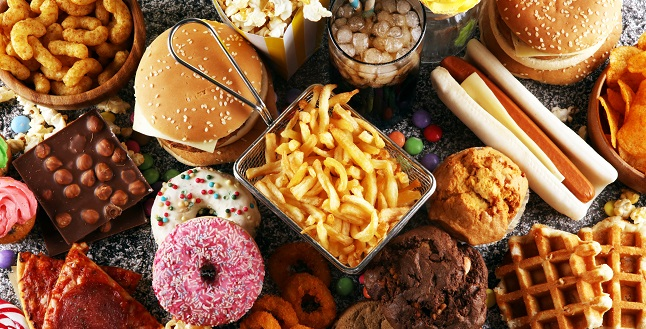
Adding healthy foods to your diet is one way to manage fatty liver disease, but it's just as important for people with this condition to avoid or limit other foods like:
-
Sugar and added sugars:
Sugary foods and added sugar raise blood sugar levels and increase fat in the liver.
-
Refined grains:
Refined and processed grains are in white bread, white pasta, and white rice. These raise blood sugar levels. You can swap them for potatoes, legumes, and whole wheat.
-
Fried and salty foods:
Eating a lot of fried or salty foods can likely raise calorie intake, which might cause obesity. Obesity is a common cause of fatty liver disease.
-
Meats:
Meats contain a lot of saturated fats, and research shows eating too much of these fats increases fat around organs, including the liver.
-
Fourth: Some lifestyle changes that help with fatty liver disease:
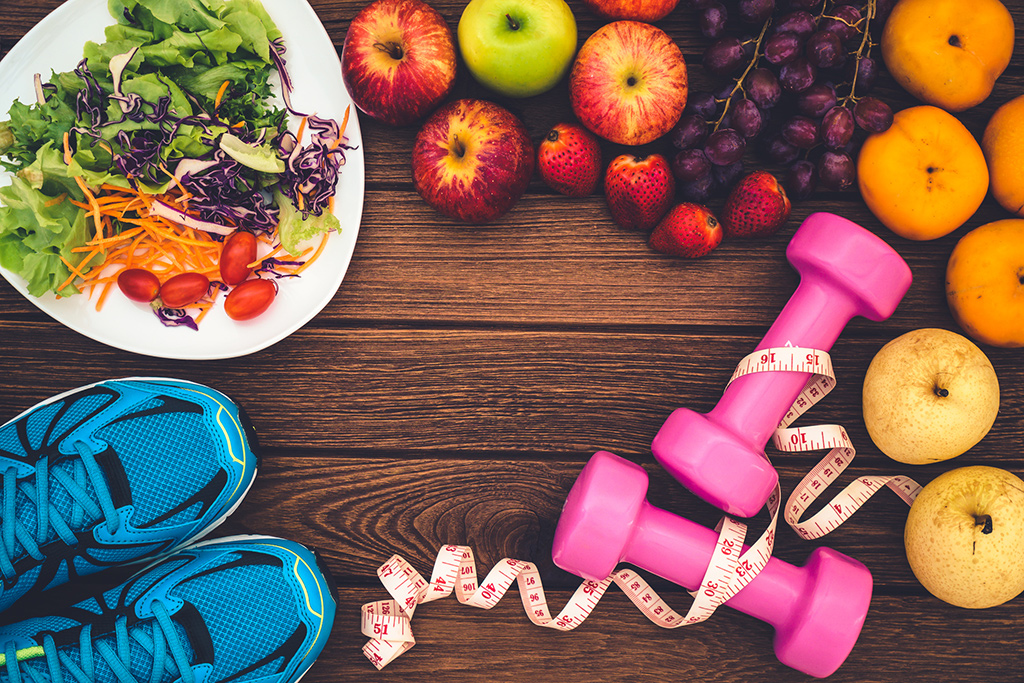
Making some lifestyle changes can help people with fatty liver disease reduce symptoms and manage it.
Examples of helpful changes include:
-
Controlling calorie intake.
-
Doing some physical activities.
-
Eat a balanced diet.
-
Work on losing weight and reaching a healthy weight.


