


Many reasons can make losing weight hard and exhausting, which might make you give up fast. These reasons include strong food cravings, emotional eating, or hormone imbalance.
There are many possible reasons why you might not hit your goal on time, but could eating foods that don't agree with you be one of the hidden causes slowing your weight loss?
In this article, we'll check out expert views on this, and also cover the difference between food allergy and intolerance, plus how to handle it if you think you have a food allergy.
What is a food allergy?
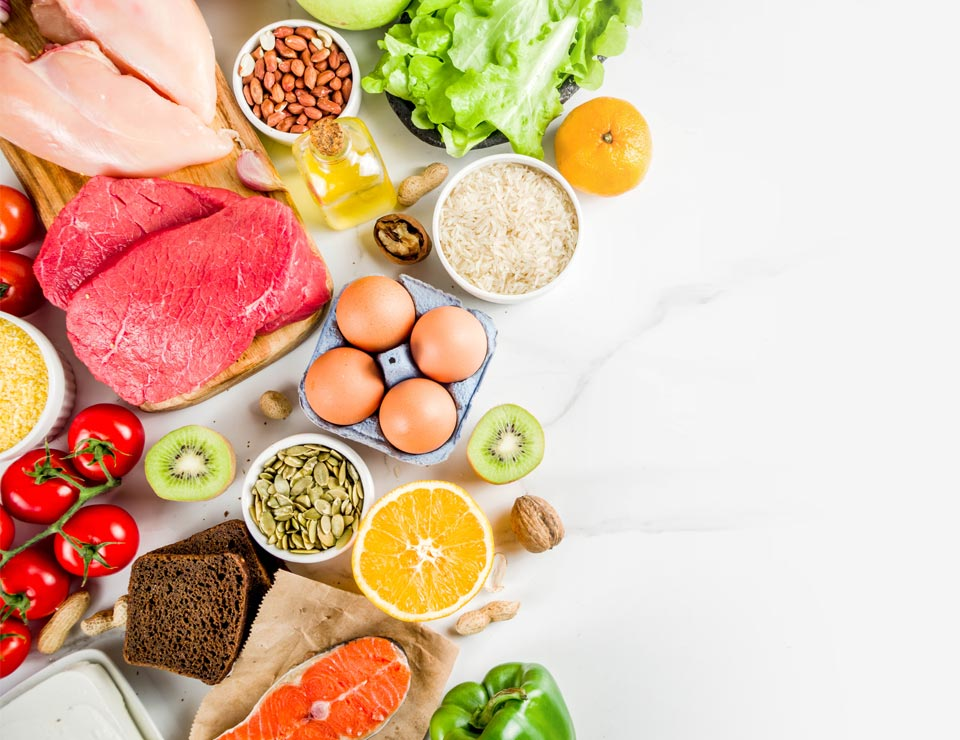
Nutrition experts say people often confuse food allergies, food sensitivities, and food intolerance. But they're not the same thing and there are big differences between them.
First:- Food allergies

According to the American Academy of Allergy, Asthma, and Immunology, allergies here are a specific immune system reaction. When you have a food allergy, your immune system makes Immunoglobulin E (IgE) antibodies in response to eating that food.
Allergy symptoms vary but can range from severe anaphylaxis, a full body reaction needing urgent medical care, to manageable symptoms like itching, burning, and skin swelling.
Allergy symptoms can be widespread but often involve the mouth, throat, tongue, or lips.
Second, food intolerance
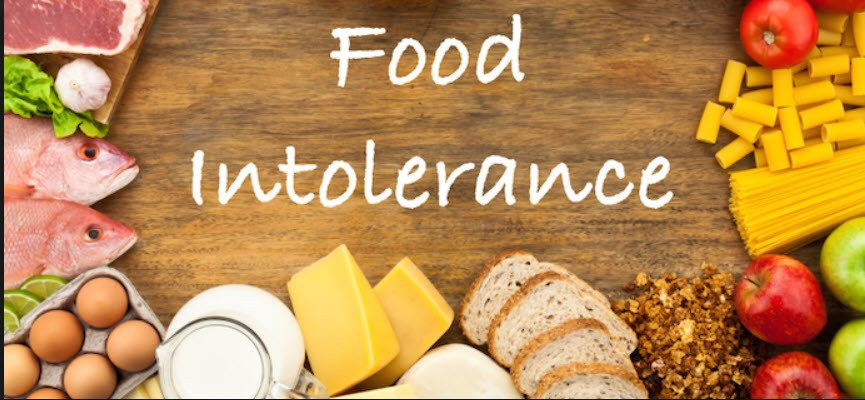
Food intolerance usually relates toThe digestive system, and happen when the body has trouble digesting certain food. Experts say the most common example is lactose intolerance.
Lactose intolerance happens when a person lacks enough digestive lactase enzyme to break down lactose. These reactions almost only happen in the digestive system.
This means they mainly cause symptoms in the digestive system and don’t trigger a broad immune response like food allergies do.
Third:- Food sensitivities

Experts say food sensitivities aren’t well studied compared to food allergies and intolerances. They are very similar to food allergies, meaning they involve the immune system and immune reactions, but not exactly the same.
Food sensitivities aren’t well understood. Experts say the important part is that symptoms can change, so reactions don’t always happen in the same way.
One day eating a food you’re sensitive to might cause stomach pain, the next day it might cause eczema, and the day after it could cause Joint pain, as you see, can make it hard to spot food sensitivities.
The most common stuff involved in food sensitivities includes dairy products and gluten and caffeine, amines, and sulfites. According to nutrition experts, food sensitivities often play a big role in chronic inflammatory symptoms like diarrhea, eczema, psoriasis, andmigraine, andacid reflux acidic, andJoint pain and swelling.
It's also common for anyone with a sensitivity to have symptoms very regularly, like daily or weekly headaches, or constant eczema.
How can food sensitivities affect weight loss?

According to nutrition experts, if someone struggles to lose weight but has no other symptoms, food sensitivities aren't usually the first thing to check. Experts also confirm there's no scientific study proving food sensitivities cause weight gain.
However, if someone has digestive issues, or symptoms like eczema or psoriasis, or any other inflammatory symptoms along with weight loss resistance, then food sensitivities might be a possible factor. That's because there are several ways food sensitivities can contribute to difficulty losing weight.
FirstMost research on inflammation and weight says weight gain causes inflammation, not the other way around. Nutrition experts also noticed that once you treat inflammation caused by food sensitivities, losing weight gets easier.
SecondFood sensitivities generally make people feel unwell. So when you're not feeling good, it’s hard to find the energy or will to exercise or cook healthy meals, which are key for losing weight.
Food sensitivities can also cause bloating and discomfort that might look like weight gain. Plus, if you start cutting out foods without knowing which ones cause your inflammation, you might end up eating more processed foods, which adds calories and can make weight issues worse.
What should you do about food sensitivities?

There are several steps to help reduce food sensitivities, including:
- Eating an elimination diet
Experts agree that to reduce food sensitivities, the best approach is an elimination diet guided by specialists.
There’s a full elimination diet where you remove some foods, then add them back one by one to see which causes allergies. So doing this diet alone can be tough. That’s why experts suggest getting help from a nutritionist or qualified healthcare provider.
- Skip the food allergy test
Experts say there’s currently no widely accepted test for food allergies. Usually, food allergy tests look for IgG, not the IgE used in allergy tests. These tests can be pricey and haven’t proven to reliably detect allergies.
- Get help from a specialist
Before self-diagnosing and trying treatments for suspected food allergies, you need advice from a specialist doctor. Some symptoms like bloating, stomach pain, and weight gain can come from many health issues, and your diet might not be the cause at all.


