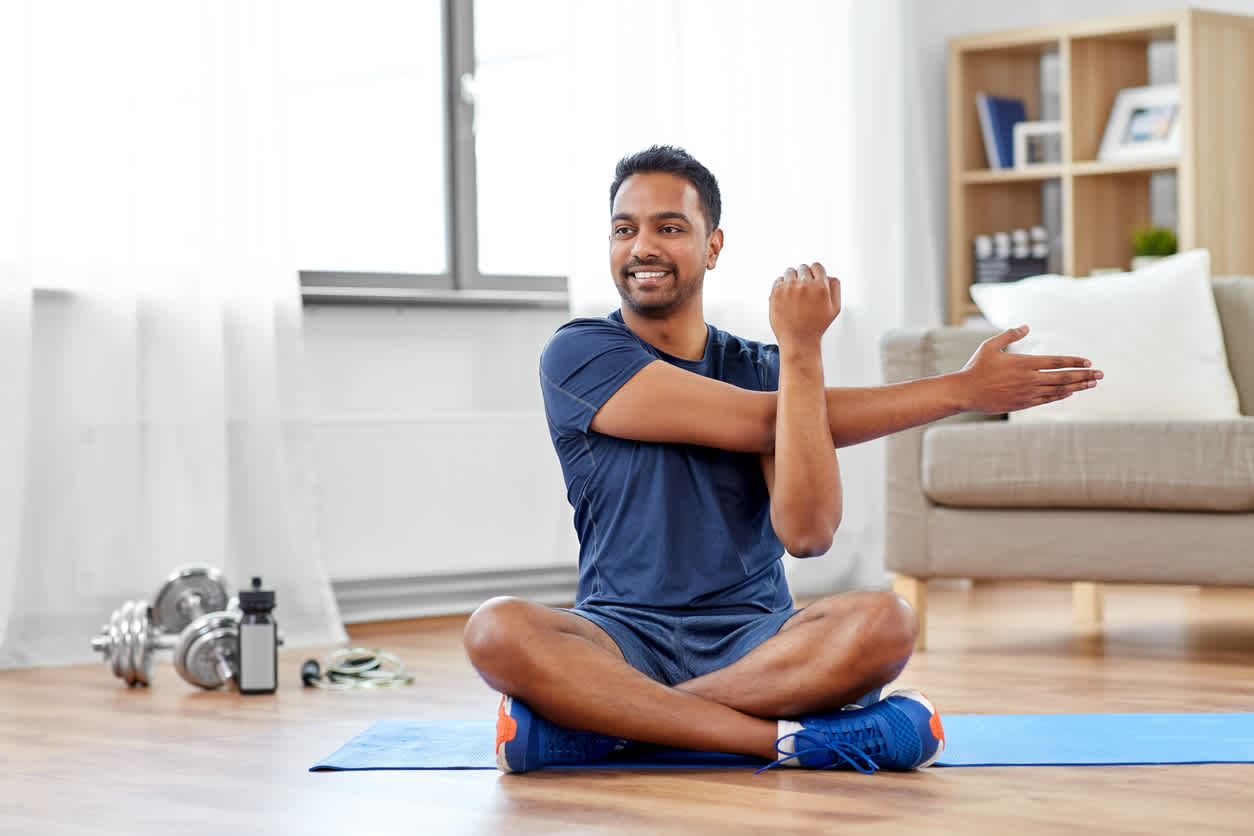
Intermittent fasting means not eating any food for a set number of hours. It has many health benefits and is one of the best ways to lose weight. That's why many people use it for weight loss. They wonder how to exercise with intermittent fasting to protect the body from sagging and avoid regaining old weight.
There are many opinions that recommend working out during fasting and some say the opposite. We'll explain both so you can pick what suits you best because bodies are different and everyone needs something different.
- Working out during fasting

There are several benefits of working out during intermittent fasting, including weight loss for a few reasons:
- When people eat carbs, the body turns them into glucose and stores that glucose as glycogen.
- When fasting and not eating anything, the body turns to burning stored fat.
- But some people work out better after eating a small piece of carbs and drinking a cup of coffee.
- Most experts agree that if you’re just doing cardio or walking, you can do that while fasting and you'll burn more.
- If you’re doing strength training or lifting weights, you should have a meal half an hour before workout.
- Exercise effectiveness

Many dietitians and trainers prefer resistance and weight training to avoid sagging. The only way to avoid sagging is weight and strength training to build muscles and tone the body. So resistance and weight workouts are better during eating times for several reasons:
First reason: Improving performance

Eating some carbs like baked potatoes or a banana with a cup of coffee boosts your workout performance and makes your session stronger and longer.
Second reason: Building muscles

Many studies show muscle building is better and faster when you work out during eating times. It helps build more muscle mass and you can eat a protein meal after to help muscles grow.
Third reason: dizziness and fatigue during exercise

Some people feel dizzy or lightheaded during exercise if they don't eat a small pre-workout meal about half an hour before. This meal should include a source of energy like fats or carbs and be small so you don't feel stressed.
Fourth reason: low blood sugar levels

During exercise some people's blood sugar drops noticeably. If it's already low, this can cause fainting. So if someone faints while working out, give them some natural sugar sources like a little juice.
You should always know the plan that fits your goal and the best way to get there. Make sure your main goal is having a healthy strong body that can live well, not just being skinny as the top priority. Everyone’s different and needs a system that suits them personally. So we always suggest having a personal trainer to help you reach your goal and find a healthy lifestyle that works for you.
- Types of intermittent fasting

There are many kinds of intermittent fasting and you should pick one that suits you:
First type: 16\8
The eating period lasts only 8 hours, and the person avoids eating any food for 16 hours, including sleep time. During these hours, the person drinks water and herbal drinks without sugar or milk, or black coffee.
Type two: 5\2
The person decides to fast for two days a week only, and eat normally for 5 days a week.
Type three: Night fasting
This type is also called the beginner type because it has the shortest fasting period during the day. This fast starts 3 hours before sleep and continues until the morning of the next day, lasting 13 hours.
Type four: 8-hour fasting
The person fasts for 8 hours after waking up and it’s better for people who wake up early like before 9 am to use this type.
Type five: One meal fast
A person eats one meal a day and fasts for the rest of the day. This meal has all the needed nutrients.
If you want to know about types of intermittent fasting, you can check the previous article in the series. In this one, we explained all types in detail.
- Types of exercise

We should tell you about types of exercise which are two:
The first type (aerobic exercises): Like walking, running, and cycling. These exercises focus on increasing heart rate and take a long time, for example, you should run or walk for an hour.
The second type (anaerobic exercises): Like resistance training and weights. These exercises help build muscles and increase strength. People do them for just a few minutes.
- To reach your goal you need to do both types but organize them in a way that fits your weight and goal. The organization style also depends on the diet. If you rely more on cardio exercises, you mainly need carbs. If you focus on anaerobic exercises, you should rely more on protein.
- Important tips:

Here are some tips you should follow to avoid many health problems you might face:
1- You should wait at least half an hour after your last meal before exercising.
2- If you decide to exercise while fasting, you should only do aerobic exercises.
3- If you feel very tired, you should stop your workout immediately.
4- Keep your body hydrated, drink water continuously during exercise.
If you have some health problems like:

1- You have diabetes
2- You have a constant low blood pressure
3- You have eating disorders
4- If you are pregnant or breastfeeding
- In these cases, you should check with a doctor before exercising, know which sports fit your health, and how to arrange your diet with exercise.