
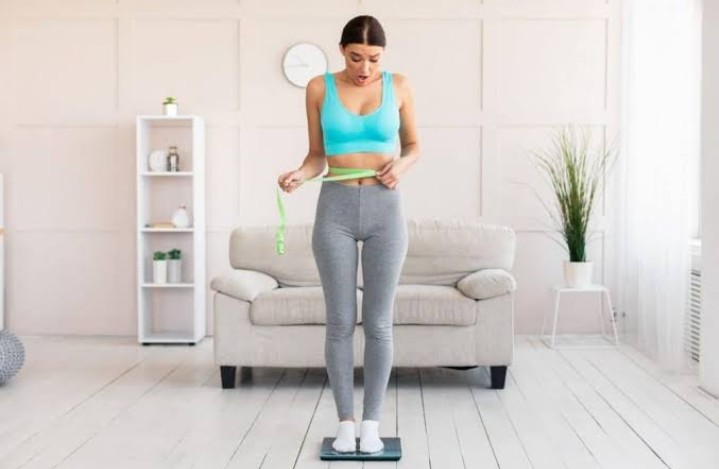
If you’re following a weight loss program, seeing results is the biggest motivator to keep going. For example, seeing the scale number drop makes you feel like you’re on the right track and boosts your mood. It can even make your day nicer and happier. But the opposite is true too.
So, what does your weight number really mean on the scale? And how useful is that number when tracking weight loss? The answers might give you a totally different perspective on your scale reading. So in this article, we'll share a different truth about weight you should know.
• What is weight loss?
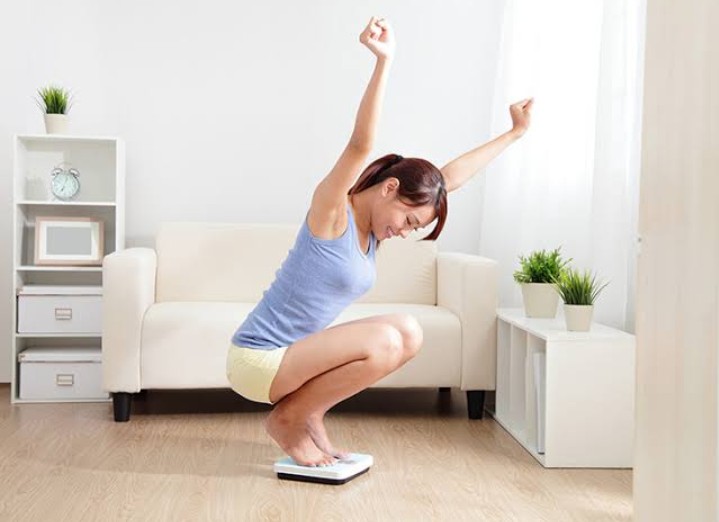
When we talk about weight loss, usually we mean fat loss. You might want to lose fat on your thighs, hips, belly, or arms. But the weird thing is the number on your scale doesn’t always show the real fat loss. You might get slimmer without seeing any change in your scale number at all.
This happens when you start losing fat and gaining muscle at the same time. So your weight stays the same even if your waist shrinks a bit. That’s actually a good sign you’re moving the right way.
• Difference between weight loss and fat loss:
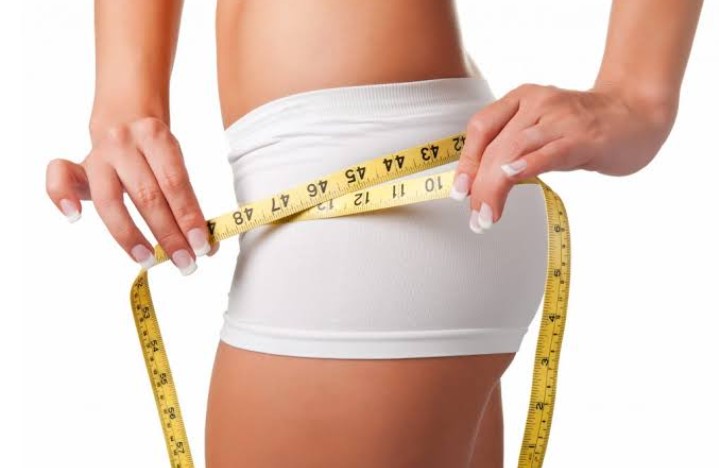
The number on your scale isn’t precise enough. It doesn’t tell you how much of your weight is muscle, fat, water, bones, or organs. For example, you might be an athlete with lots of muscle but the number says you’re overweight, which isn’t true. Also, your weight isn’t constant. It can change throughout the day. Sometimes by as much as 10 pounds depending on how often you eat, go to the bathroom, and other factors (add link to article on weight fluctuations). So if you want to track fat loss well, sadly the scale won’t give you the full picture.
Still, you shouldn't totally ignore the scale because studies show people who lose weight and keep it off regularly weigh themselves. It's easy to gain lost weight back, so keep track of your weight regularly.
•Focus on fat loss:-
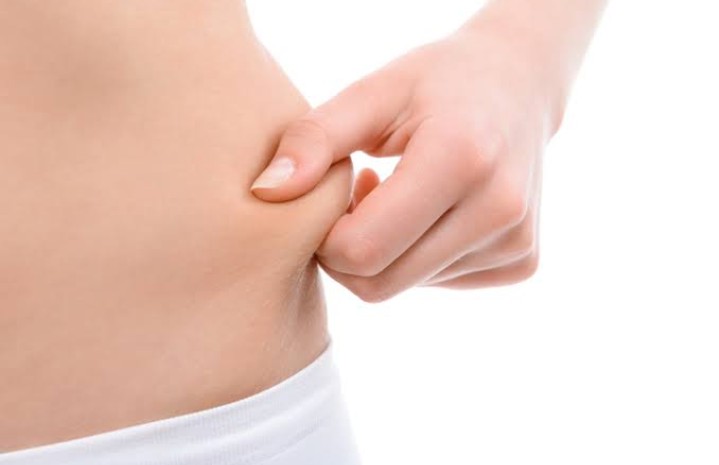
For people just starting a weight loss plan, the scale might not help much to stay on track. So maybe it's time to track progress by focusing on fat loss. Fat loss actually changes your body because as you lose fat, you start to gain muscle. But if you just lose weight, it might be temporary loss of water stored in your body. So you can't really tell if you're seeing real results or just daily habits, hormone changes, and hydration levels.
•How does the scale trick you?

Often the number on the scale can trick you because it doesn’t accurately show changes in your body. For example:-
-
It doesn't show changes from exercising and building muscle.
-
It measures everything including muscles, fat, organs, bones, and food, so it doesn’t reflect true weight.
-
It doesn’t show how healthy you are. For example, your weight might be low but you could still have unhealthy body fat levels.
-
The scale isn't always a positive motivator. If you step on it and aren't happy with the number, it might annoy you and hurt your results.
• Use other ways to measure how well your program is working:-

We agreed the scale is not the best way to check your progress in a weight loss program. So here are other methods that can show how effective and successful your program is.
-
Notice how your clothes fit. If they fit a bit looser, that's a sign you're making progress.
-
Keep measuring your body regularly to see if you're losing centimeters of fat in different spots.
-
Use a body fat scale if you can. They might be available at gyms and health clubs.
-
Try one of the online apps. The results are estimates but if you use the same app often, you can track changes and progress.
-
Set performance goals instead of stressing about losing weight or fat. Focus on your workouts, push yourself, increase intensity week by week, and you'll see real results in the end.
If the scale is driving you crazy, taking a break from weighing yourself might help. Don't let your scale number be the only measure of your progress.


