

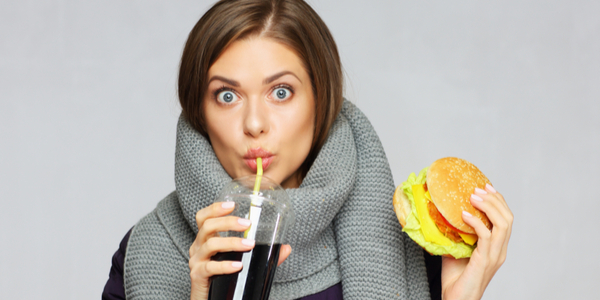
Who can resist eating more in winter, especially when it's colder? Who can say no to hot dishes that are usually rich and full of calories? Studies show people eat more in winter.
Most people agree winter is the season for heavy and tasty foods, dishes full ofcarbs and sweets, sugars, and creamy sauces, In this article, we'll see why we eat more in winter and how to avoid the weight gain from that.
-
Reasons why we eat more in winter?

Many people say they eat more in winter. So is this winter appetite real or just a mental push to eat more when it's cold? Let's look at the causes for increased winter appetite, which include many biological and psychological reasons for eating more in winter, such as:-
-
Eating more in winter is built into our biology.

It's said that long ago, before people lived in insulated homes and before there were stores selling all kinds of food, winter was a dangerous time. The fall harvest decided how much food was available in winter. Once that food was used up, getting more was hard unless you were rich.
That's why wanting to eat a lot when you first feel cold is an instinct wired into us since forever. It pushes us to eat more in winter without even realizing it.
It’s a survival drive from long ago when our bodies tried to store as many calories as possible to get through scarce food times. Just like some animals put on fat to survive hibernation.
-
Eating makes us feel warmer.
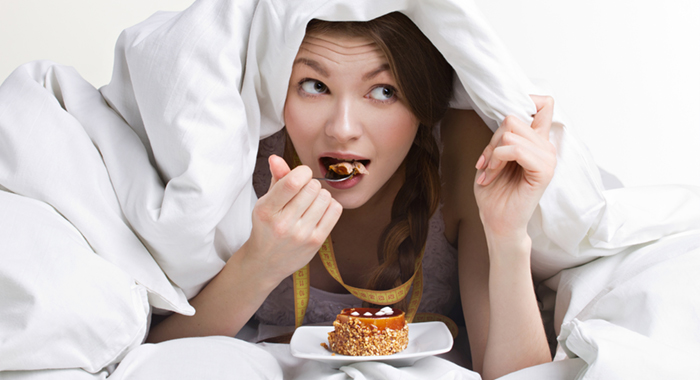
Burning calories warms the body. This is another reason we eat more in winter. Cold weather lowers body temperature, so we feel like we need more calories from food.
The big problem with eating more is picking foods high in sugar and fat. This spikes blood sugar then makes it drop, which makes you feel hungrier and colder than before. This cycle keeps going and can cause weight gain because of eating extra calories.
-
Lack of some important nutrients in winter.

In winter days are shorter, and we spend more time indoors with very little sunlight, so we can suffer from vitamin D deficiency because our bodies need sun rays to make this important nutrient.
There can be a drop in serotonin levels, a neurotransmitter linked to happiness and wellbeing, which is also produced when exposed to sunlight.
Low levels have been linked to vitamin D and serotonin in seasonal affective disorder, also called seasonal depression. It's a type of depression tied to winter days. Reports show people with this disorder tend to crave carbs, because carbs make tryptophan, an amino acid that can turn into serotonin to boost its low blood levels.
-
Our culture connects eating fatty food in winter to:

Though there are biological reasons explaining more food intake in winter, part of the reason is also psychological and deeply rooted in our culture since childhood, where winter is always linked to rich, fatty foods instead of salads and light dishes.
There are also many winter holidays and festivals mostly tied to big feasts with fatty foods not usually available at other times of the year. All this leads us to eat way more calories than usual days.
-
Staying home for a long time when the weather is cold:

Another important point to consider when trying to eat more in winter is staying home when the weather is bad. Often, workouts or other fun activities get skipped, and most of the time we just sit watching TV or on the computer. This makes us more likely to snack endlessly out of boredom or just because we enjoy eating while watching TV.
Since this extra food goes along with less physical activity, it can lead to weight gain, which is quite common in winter.
-
Tips to avoid gaining weight in winter:
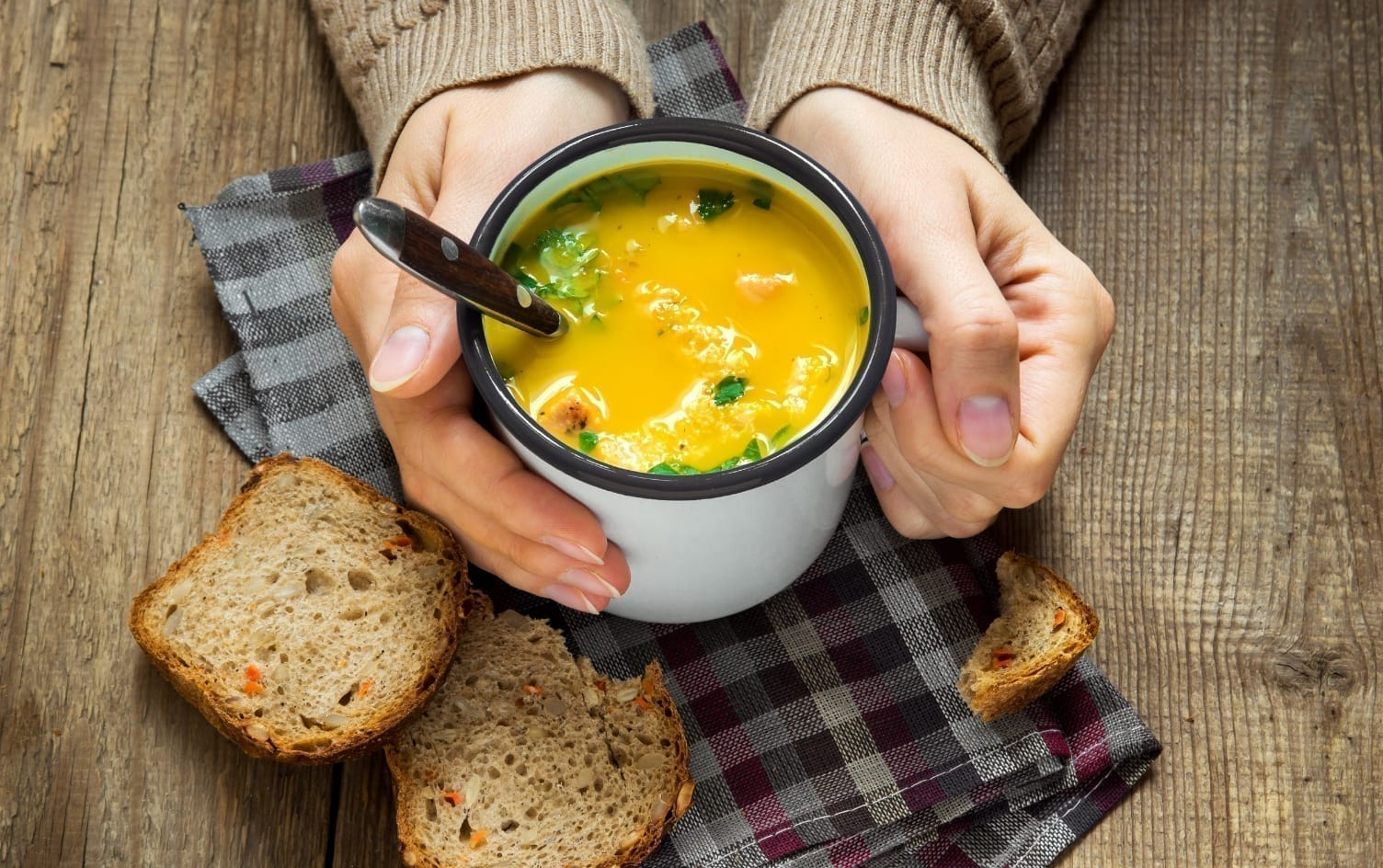
If you're worried about gaining weight because you eat more in winter, here are some quick tips for you About how to avoid that :-
-
When your desire to eat increases, you can eat soups and healthy stews, and other low-calorie dishes that have lots of veggies rich in fiber and healthy ingredients that keep you feeling full.
-
Look for healthy ingredients in your favorite foods so you can enjoy them without extra calories.
-
Keep having snacks during the day to keep your metabolism up and avoid strong cravings for fatty and sugary foods.
-
Go out during daylight hours and try to get some sun to boost your vitamin D and serotonin levels.
-
Find other ways to beat depression that don't involve food, like walking, reading a book, or chatting with a friend. If it doesn't help, see a therapist.


