When you decide to eat healthy regularly, meaning more veggies, fruits, and whole grains, you might get digestive upsets. You could feel full and sometimes get diarrhea or nausea.
You should know this is just a short-term transition phase. You don't need to give up your healthy habits like you think, but there are ways to make this phase smoother.
Let's now look at the causes of these issues, how to treat them, and how to handle them:
First cause: - Food allergies

- You might think you had food allergies before and you're safe after growing up, but the head of the food allergy and asthma center at Northwestern University says food allergies can start after age 18.
- Of course, if you switch a big part of your diet to new healthy foods, you might feel allergic and get stomach upset. This can cause inflammation.
Shellfish tops the list of food allergies, but walnut allergy rose about 260% in the past decade.
- Even if you don't eat nuts raw, you might eat them if you include walnut flour in your healthy food like: almond flour, pasta made from walnuts, or drink it to cut down on dairy like cashew milk.
- The fix here is to offer one type of food at a time and see how well you tolerate it and your sensitivity to it. For example: instead of changing your whole diet at once and having nuts in almost every meal, try one type for a few days to see how your digestion reacts and how it affects you, then add another type for a few days again. This helps you figure out which foods cause issues and sensitivities more clearly and easily.
Second reason: - The diet has too much fiber

- In your healthy eating plan, you pick healthy options for you and rely on them including pasta made from healthy choices like lentils or chickpeas, plus veggies and fruit too. These are great steps but you have to watch how you gradually add these foods because they have lots of fiber.
- Fiber helps us feel full longer. It also improves insulin sensitivity by controlling blood sugar levels and lowers risks of some chronic diseases like heart disease. Plus, it helps your digestion by moving food through your stomach.
- But the surprise comes when you eat a lot of fiber without drinking enough water or fluids. This can cause nausea and constipation.
- Drinking water regularly has many benefits but is even more important when you choose a healthy diet. Water and fiber work together for better digestion. You can also combine water and fiber in one meal like veggie soup.
Third reason: - Removing fiber from the diet

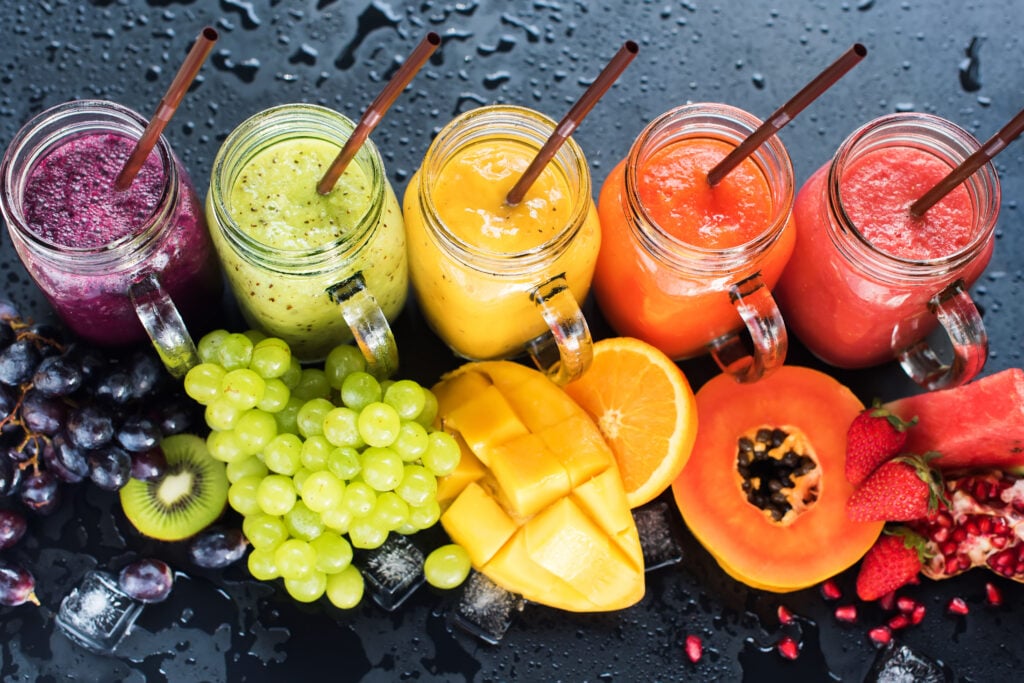
- Some people change their diet to just juice fruits and veggies by removing the fiber.
- Some health plans rely only on juices for vitamins and minerals but they miss out on fiber, which is key for your digestive system.
- You'll see the effect of these plans in your digestion, either constipation or diarrhea, because of the high sugar amount from the fruits and veggies in your stomach.
- So if you pick these juice-only plans to detox your body, you should know they don't support your other organs like liver, intestines, and kidneys that need fiber regularly to work well.
To find a healthy balanced diet that fits you and exercise to match, we suggest working with a specialist in this field to help you live a healthy life without repeating past mistakes. That's what we offer you at Fitness Garage.