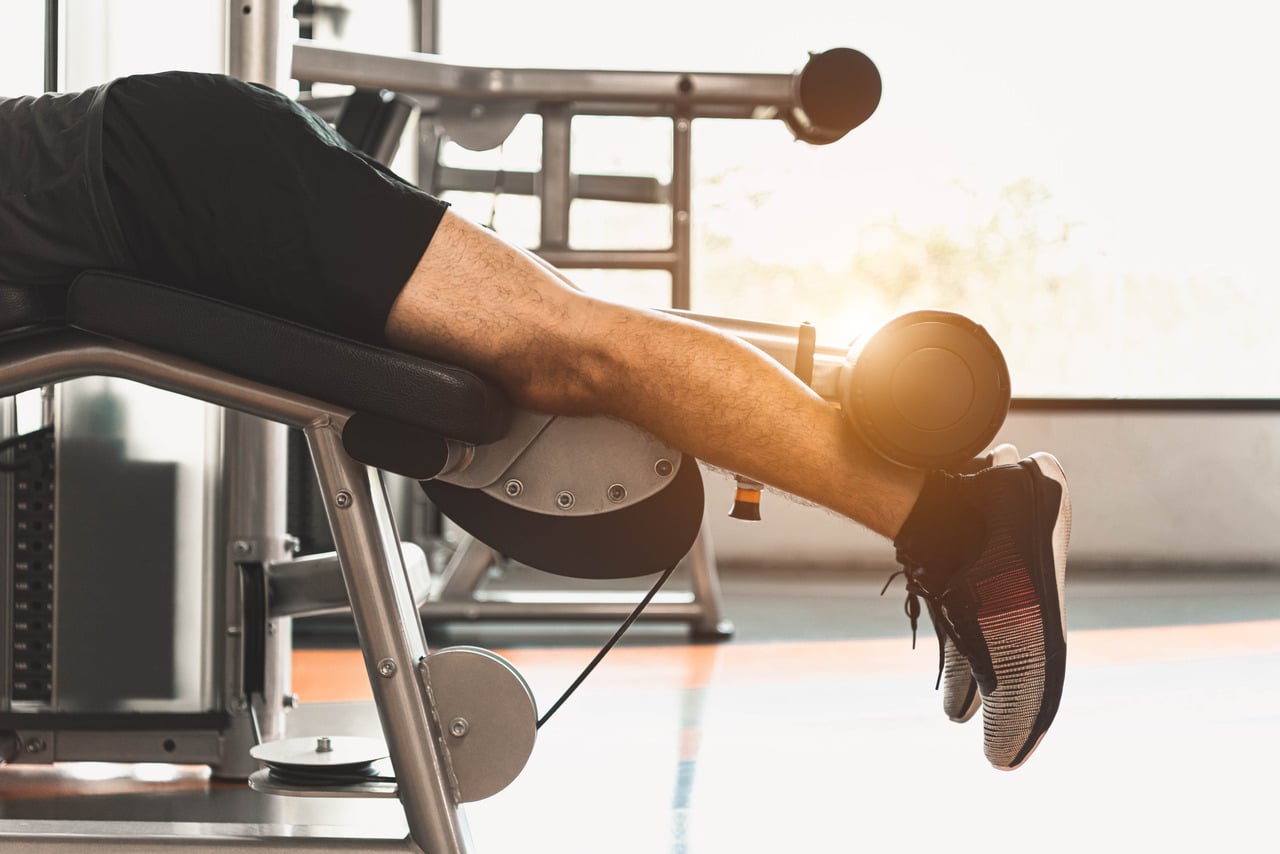
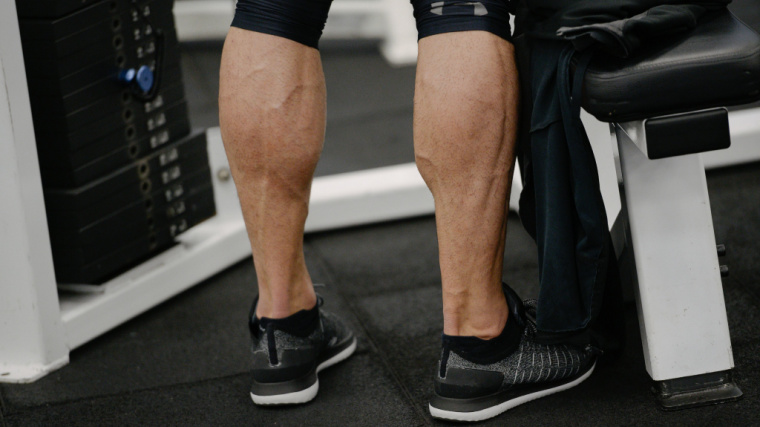
Both Powerlifting and bodybuilding are sports focused on resistance training with weights or iron. For beginners, these sports might look very similar since both involve lifting weights, but their goals are totally different.
This article will explain the difference between powerlifting and bodybuilding, discuss their benefits and risks, and give tips on how to combine them in your fitness routine.
What is powerlifting?

Powerlifting is a competitive sport where the goal is to lift the maximum possible weight for one repetition, called the one-rep max (1RM), using three main lifts.
The main powerlifting exercises include:-
-
Back squat.
-
Deadlift.
-
Bench press.
From an exercise science view, the main goal of weightlifting or powerlifting is to produce max muscle strength for specific moves. In weightlifting contests, judges decide if each lift’s technique is good or fails.
How to train for weightlifting (powerlifting)

Since weightlifting or powerlifting focuses on maxing a single rep 1RM in main exercises like back squat, bench press, and deadlift, training is about building strength in these moves.
Besides trying to lift the heaviest weight, lifters usually pick low bar back squats, bench press with a medium to wide grip, and standard or sumo deadlifts.
These lifting techniques, when done regularly over time, can let you lift heavier weights by optimizing the lift and using more muscles.
Also, because the body has to handle a huge amount of weight to be good at lifting, a person needs to train extra exercises along with the three main ones: back squat, bench press, and deadlift.
These extra exercises are called assistance exercises. They mainly help strengthen muscles that stabilize during the main lifts. This helps avoid muscle imbalances and lowers injury risk.
For example, if someone focuses on back squat or deadlift day, a mid or advanced lifter might add extra assistance moves to strengthen glutes and hamstrings, These exercises include:
-
Good mornings.
-
Romanian deadlifts.
In general, lifters focus most effort on low rep ranges of 1 to 5 reps, using heavy weights and long rests to build max strength. Over time, they might also do higher rep training to keep or build muscle size.
What is Bodybuilding?

Bodybuilding is a sport where competitors are judged based on their overall physical appearance on competition day. Bodybuilders stand on stage wearing swimsuits and get points for muscle size, symmetry, and definition.
Even though bodybuilding requires following a specific workout and diet routine very well, competitors are judged by how they look, not by physical performance.
As a competitive bodybuilder, their main goals include:
-
GGreat muscle size and symmetry.
-
Minimize body fat as much as possible.
Judges evaluate the muscles competitors have built hard based on competition standards and compare their appearance against other competitors.
How to train for bodybuilding

Bodybuilding mainly depends on resistance training with weights to maximize muscle growth. Since bodybuilding needs balanced growth in most major muscles, competitors spend more time lifting weights in slightly higher rep ranges, like 8-15 reps, which boosts muscle growth more than lower rep sets.
Bodybuilders still lift fairly heavy weights, but less than powerlifters. They do more reps though, and rest periods are a bit shorter, about 1-2 minutes between sets.
Bodybuilding also requires more time isolating muscle groups. For example, some exercises are common in bodybuilding but not so much in weightlifting, andThese exercises include:-
-
Lateral shoulder raises.
-
Biceps curl variations.
-
Triceps extensions.
While weightlifters might do some of these exercises in certain programs, bodybuilding includes a lot of isolation moves in each workout plus higher reps of compound moves like squats and presses.
Benefits of Weightlifting and Bodybuilding

Weightlifting and bodybuilding share some similarities and differences. Both rely on weight training to compete, but their training goals are different. This leads to very different workout programs over time, even though some methods overlap.
For general fitness, both sports offer benefits linked to resistance training andweightlifting, however, each sport provides benefits completely distinct from the other.
- Benefits of weightlifting (powerlifting)
Training with heavy weights and low reps is incredibly beneficial, even for non-competitors, Benefits of weightlifting include:-
-
Improving bone density.
-
Increasing functional strength for activities.
-
Achieving performance-based goals.
- Bodybuilding benefits
You don’t have to be a stage competitor to benefit from bodybuilding. The bodybuilding routine lets people build muscle and improve fitness even if they don’t compete.
Bodybuilding benefits include:-
-
Building more muscle.
-
Doing a lot of cardio exercises.
-
Following a specific diet.
Drawbacks of weightlifting and bodybuilding

While weightlifting and bodybuilding can benefit almost anyone aiming to improve overall health, there are some potential downsides in both sports. These mainly affect athletes training at a high level. Still, it's important for everyone to be aware of them.
Both sports focus on just one side of fitness. Weightlifting aims for max strength in the three main lifts mentioned above. Bodybuilding aims for max muscle growth and minimal body fat.
While people should be stronger, more muscular and fit, these aren’t the only things that matter for overall health and wellbeing.
For weightlifting, neglecting cardio and sometimes lacking balanced nutrition can hurt overall health. So if someone is not competitive and mainly lifts for general fitness, they should add some cardio and keep a balanced healthy diet.
For bodybuilding, focusing too much on appearance can mess up muscle structure and cause mental issues where someone constantly worries their body isn't thin or muscular enough. This might lead to unhealthy habits like using steroids and cause more serious health problems.
Also, if someone wants to gain muscle or burn fat for looks, they should know their mental and physical health. No amount of muscle gain is worth risking your health or well-being.
In the end, the best way to stay generally fit is to alternate resistance training with cardio exercises and keep a healthy balanced diet.