
Exercises Calf are basic workouts that help build the lower leg muscles. They are key in any fitness plan aiming to boost physical performance and overall fitness. You can add standing calf raises to your lower body workout routine for many benefits.
The calf muscles play a central role in daily movements like walking, running, and jumping. They also help with balance and stability. Focusing on this exercise properly can reduce sports injury risks and improve performance in physical activities. Well-developed calves can also improve the lookof the lower body making it more balanced and defined.
In this article, we'll cover how to do standing calf raises, different variations, common mistakes, and safety tips.
How to do standing calf raises

-
Target muscles: Calf (lower leg).
-
Required equipment: Just an exercise mat.
-
Level needed: Beginner.
You can do standing calf raises right on the floor, but an exercise mat gives better balance and lowers slip risk. You can also use an elevated platform.
- How to do the exercise
-
Stand on the mat with your feet shoulder-width apart, toes pointing forward.
-
Keep your spine straight, pull your shoulders back and down, and tighten your abs.
-
Start by slowly lifting your heels off the ground while keeping your knees straight.
-
Hold the position for one second as you stand on your tiptoes as high as you can.
-
Slowly lower your heels back to the ground to return to the starting position.
-
Repeat this exercise 10-15 times.
Benefits of Standing Calf Raises

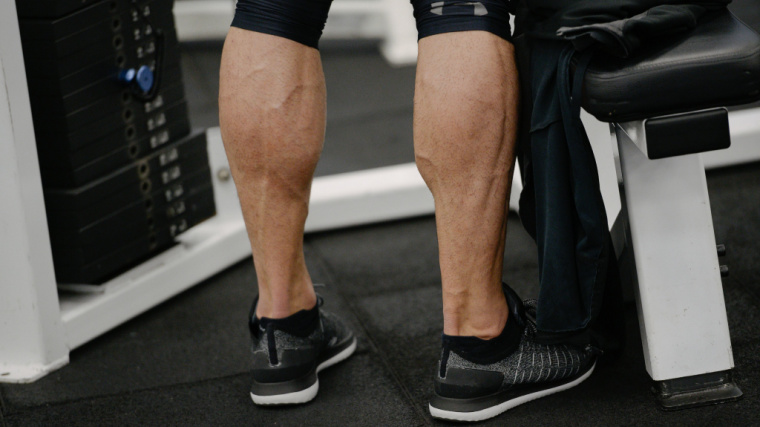
Standing calf raises target the two muscles running along the back of the lower leg, which are theGastrocnemius muscle, andthe Soleus muscle.These two muscles play a key role in bending and extending the ankle, helping push the body during running and jumping.
The gastrocnemius muscle also works together with the hamstrings to control knee bending, while the soleus muscle keeps proper balance and helps pump blood from the leg to the heart. When calf muscles are weak, they are more prone to strain and tearing easily.
Standing calf raises are an easy, low-impact way to strengthen leg muscles. Strong and flexible calves help improve overall stability and balance, reduce foot and ankle injury risk, and boost ability to move more agilely while running or jumping.
Also, strong calf muscles improve overall body stability, reduce pressure on the Achilles tendon, and give the lower leg a firm, defined, and attractive look.
Other forms of standing calf raise exercises

Standing calf raises can be done in different ways to fit various fitness levels and better achieve goals. Other standing calf exercise types include:
1. Seated Calf Raises

Doing seated calf raises strengthens only the soleus muscle. But it's a good choice for people who struggle to balance while standing.
- How to do the exercise
-
Sit on a chair with a straight back, shoulders pulled back and down, abs tight, and feet flat on the floor.
-
Start by pressing the balls of your feet to lift your heels off the ground.
-
You can lift both heels at once or one heel at a time.
-
Repeat this exercise 10-15 times.
2. Assisted Standing Calf Raises

If it's hard to keep balance doing standing calf raises, you can hold onto the back of a chair or a wall to help steady yourself.
- How to do the exercise
Do this the same way as regular standing calf raises, but use one or both hands to hold onto a chair or wall for support.
3. Standing Calf Raises on a Step

You can get more movement range in standing calf raises by doing them on a raised platform, stair step, or block. This lets you lower your heels further when you go down.
- How to do the exercise
-
Stand with your toes on the edge of a platform or stair step so your toes are on the step.
-
Push your heels up as high as you can.
-
Slowly lower until your heels drop below the step.
-
Once you feel a good stretch in your calf muscles (stretch, not pain), go back to the start position.
-
Repeat this exercise about 10-15 times.
4. Dumbbell Standing Calf Raises

You can use different weights for this exercise (dumbbells, kettlebells, or even water bottles). This helps build calf strength because the muscles work harder to lift the extra weight.
- How to do the exercise
You do this exercise the same way as the standing calf raises, but here you hold weights in both hands at your sides with your arms relaxed.
Common Mistakes

To avoid mistakes and make sure standing calf raises are safe and effective, Avoid the following:-
-
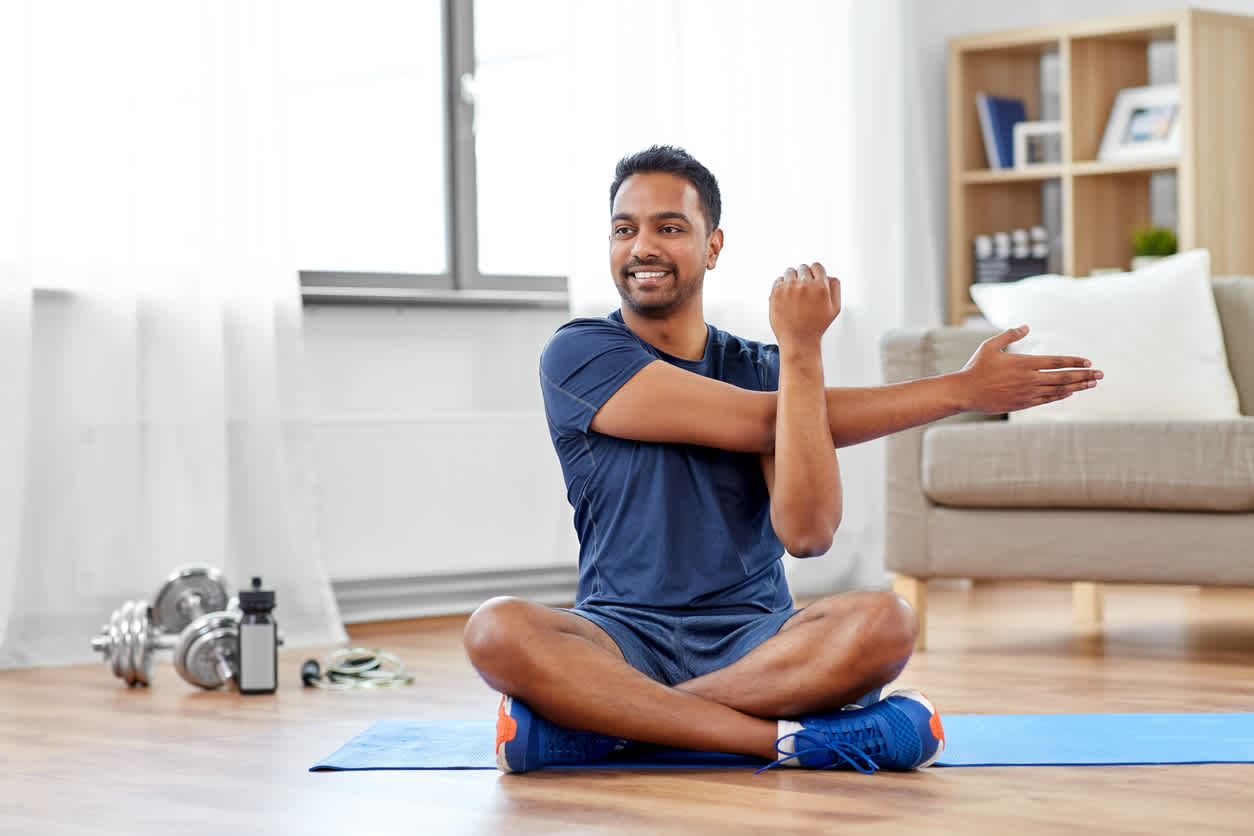
Not warming up properly:- It is warming up the most important part of leg exercises because it helps prevent muscle cramps linked to training and improves muscle flexibility. So, spend 5-10 minutes stretching your leg muscles before the workout.
-
Doing the exercise too fastYou need to control your speed to get the full benefits from standing calf raises. Doing them too fast isn't effective, especially at the start. It's better to lift and lower your heels slowly to see strength and appearance improvements.
-
Leaning forwardTo keep proper balance during standing calf raises, your chest should stay up and you should stand straight. Bending too much can cause back pain and make the exercise less effective.
-
Too few repsSince the standing calf raise is an isolated exercise with a small movement range, it's better to do more reps to get the most out of it. The ideal rep count depends on your fitness and the weight used, but around 10-30 reps is best.
Precautions and safety

Calf raise exercises are usually safe for everyone. However, if you have a lower body injury, you should check with your healthcare provider or physical therapist before starting this exercise.
To avoid injuries during the exercise, move slowly while keeping a slight bend in your knees. Push your shoulders back to stop your spine from bending. Stop right away and see a healthcare provider if you feel pain.
For people who don't exercise, calf muscles can get tight because they don't stretch enough. To avoid making it worse, it's important to stretch your leg muscles or use a foam roller before and after workouts.