Walking is one of the most popular types of exercise doctors always recommend. It's cheap, you can do it at home using a treadmill or outside in parks and streets. It has tons of benefits like boosting your metabolism, burning fat, building muscle, improving blood flow, supporting heart health, lifting your mood, helping mental health, and it's good for all ages and more. Let's go into more detail in this article about walking as a sport and how to practice it:
How much time do you need when you go walking?

Walking is an aerobic exercise that's low to moderate intensity so you can do it for a long time. It doesn't require skill, just wear comfy shoes and clothes, and walk on flat ground. To reach your goals quickly and properly, you should walk daily or at least five days a week for 30 minutes each day.
How can you stick to walking daily if you get tired quickly?

You might not have the strength to walk 30 minutes straight every day even though it has great benefits because you get tired fast. You can split your walking time into three 10-minute sessions instead. Also, keep moving throughout the day by doing simple daily activities like taking the stairs instead of the elevator or walking instead of driving.
How to add walking exercises into your daily workout routine?

If you want to get real results from walking fast like losing extra weight or boosting your body's energy and health, add walking exercises to your daily workout routine. You'll get these results fast. You can do this by walking daily at the same time and for the same number of minutes if you don't want to increase it. Don't reduce the time either. You can also ask someone to join you to avoid boredom, or listen to music and motivational songs while you walk.
Why is it important to wear a step counter when you walk for exercise?

If you want a way to motivate yourself to walk daily, nothing beats wearing a step counter. It’s a small device you wear on your wrist to count how many steps you take during your set walking time each day. This helps you compare your effort on different days and boosts your motivation and enthusiasm to do more and reach your goal faster.
How can you boost your daily energy level when walking for exercise?

If you want to walk daily with more intensity and energy, challenge yourself by timing how long it takes to walk a set distance. Next day try to cover that distance in less time and keep going for longer distances. Try to repeat this daily so you enjoy higher energy while exercising.
How can you do walking exercise?

When you walk for exercise, you need to warm up your muscles first by walking slowly for a bit. Then gradually speed up until you reach a pace that fits your energy level. When you want to finish, slow down gradually so your body can recover and calm down. Your heartbeat will go back to normal.
What are the benefits of walking for exercise?

There are many physical, mental, and psychological health benefits of walking, including:
First: Burning calories
Like other exercises, walking helps burn calories, which burns fat and reduces excess weight. The rate of calorie burn depends on things like how long you walk, the distance you cover, the terrain (rough terrain burns more calories than flat ground even though flat is safer), and your body weight.
Second: Boosting heart health
Walking has a strong positive effect on heart health. Doing 30 minutes of walking, 5 times a week, can cut your risk of heart disease by 19%. The longer and farther you walk, the greater the benefit.
Third: Lowering blood sugar levels
Some studies show that walking for 15 minutes after each meal - breakfast, lunch, and dinner - can help reduce blood sugar to normal levels. So it's good to walk after each meal daily instead of all at once or at different times throughout the day. This keeps your body active and full of energy.
Fourth: Easing joint pain
Walking is one of the most effective ways to resist and ease joint pain. It helps strengthen body muscles and thus strengthens knee and thigh joints. Walking 5 to 10 minutes daily can reduce your joint inflammation.
Fifth: Boosting the immune system
Walking can help boost your immune system, making it stronger and protecting you from many diseases. It also helps prevent frequent colds and flu a lot if you do it regularly and long enough each day.
Sixth: Improving your mood
If you're feeling down, anxious, or stressed, just decide to go for a walk for some enough time. You'll likely feel much better mentally and your mood will improve for longer. Plus, you'll get many other physical benefits.
Seventh: Increasing your body's energy
Walking workouts, even when tired, can raise your body's energy level, refresh oxygen flow, and help renew your vitality and physical activity. This lets you do more activities with more enthusiasm and ability.
Eighth: Improving your health
Some scientific studies have shown that regularly doing walking exercises helps you enjoy better health and wellness, and reduces your risk of serious diseases that could affect your life by 40%, which encourages you to stick to daily walking for longer times and greater distances.
Ninth: Strengthening leg muscles
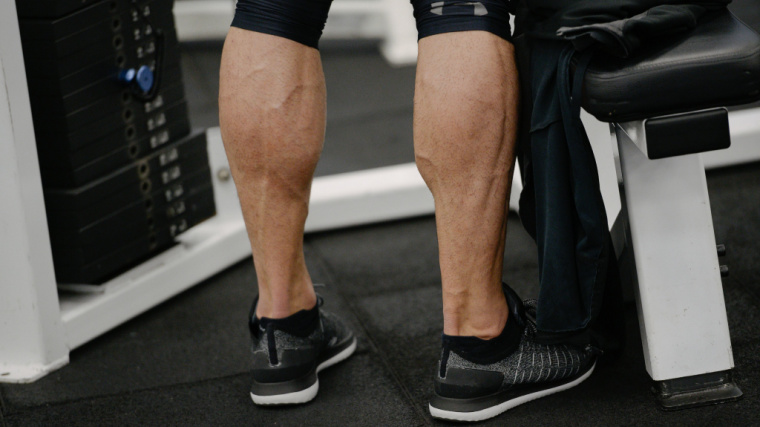
Your commitment and constant care to walking exercise ensures you get strong leg muscles that help you do other sports like cardio, running, biking, and it also improves your body balance and keeps you safe from injuries and falls.
Tenth: Enhancing creativity
Some scientific studies have proven that walking helps you think better and gives you a chance to reflect and meditate while doing it, letting you plan many ideas more creatively and innovatively.
What mistakes should you avoid when practicing walking exercise?

Just because walking is considered a simple sport doesn't mean you should take some wrong habits lightly when practicing it, which could cause you harm. And here are some common mistakes when practicing walking:
First mistake: Wearing the wrong shoes
Choosing the right shoes when you decide to start walking exercises is the most important choice ever because your foot is the key factor in doing this kind of workout. The lighter and better fitting your shoe is, the better your foot feels. You'll feel more comfortable walking without wanting to quit early since your feet will be safe and not hurt by the many steps you take.
Second mistake: Loud music volume
If you walk alone, you’ll likely listen to music for fun and to avoid boredom during exercise. But be careful not to turn the music too loud when wearing headphones. High volume can hurt your ears over time, and distract you from traffic sounds, which can cause accidents while crossing the street.
Third mistake: Wearing uncomfortable clothes
It’s normal to sweat a lot while walking, so picking the right clothes is key for enjoying your workout or finishing it early. Avoid cotton or heavy clothes that soak up sweat or block it from evaporating. Instead, wear light clothing that lets sweat dry quickly through the fabric.
Fourth mistake: Forgetting the step counter
If you want to challenge yourself every time you walk, don’t forget to bring your step counter on your walks. It’s the only device that tells you how far you’ve gone during your daily walks. This boosts your motivation and encourages you to exercise longer or cover more distance in the same time.
Mistake five: drinking unhealthy beverages
It's normal to feel thirsty when doing a walking workout because your body is sweating a lot. But be careful not to drink unhealthy drinks to quench your thirst and replace the water you lost. Don't drink juices with high sugar that can make you gain weight and add calories you just burnt. Instead, make sure to drink plenty of water, which has no calories and helps burn more calories in your body.