Many health researchers study causes of osteoporosis like aging, excess weight, and low fitness. If you already have osteoporosis or want to prevent it, this article is for you. Fitness Garage will tell you today about the benefits of exercise for preventing and treating arthritis.
Benefits of exercise for treating arthritis:

Regular exercise helps you reach some goals like:
- Reducing joint pain: Osteoarthritis destroys cartilage, which covers our joints. Exercise helps move this cartilage, so inflammation symptoms like pain and stiffness drop. This is a worse stage than osteoporosis.
- Strengthening muscles: Tendons get weaker with age, and they connect joints. Exercise strengthens muscles, supports joints, and protects them.
- Reducing pressure on the joint: Gaining more than 10 kilos adds pressure on the joint and each movement ups the chance of bone thinning. So exercises that help lose weight support joint health indirectly.
- Improving overall health: Osteoporosis stops you from doing many activities. It negatively affects your mental and physical health. It could also lead to diseases like high blood pressure, heart disease, or stroke.
Starting a treatment program for osteoporosis:

You should consult a doctor before starting any treatment. But activities like walking or regular dancing help improve many conditions. One great thing about treatment with exercise is you'll feel better in a short time. Water activities also put less stress on the joints, but they are not suitable for all cases.
Types of workouts:

There are some sports people with osteoporosis can consider, and they are:
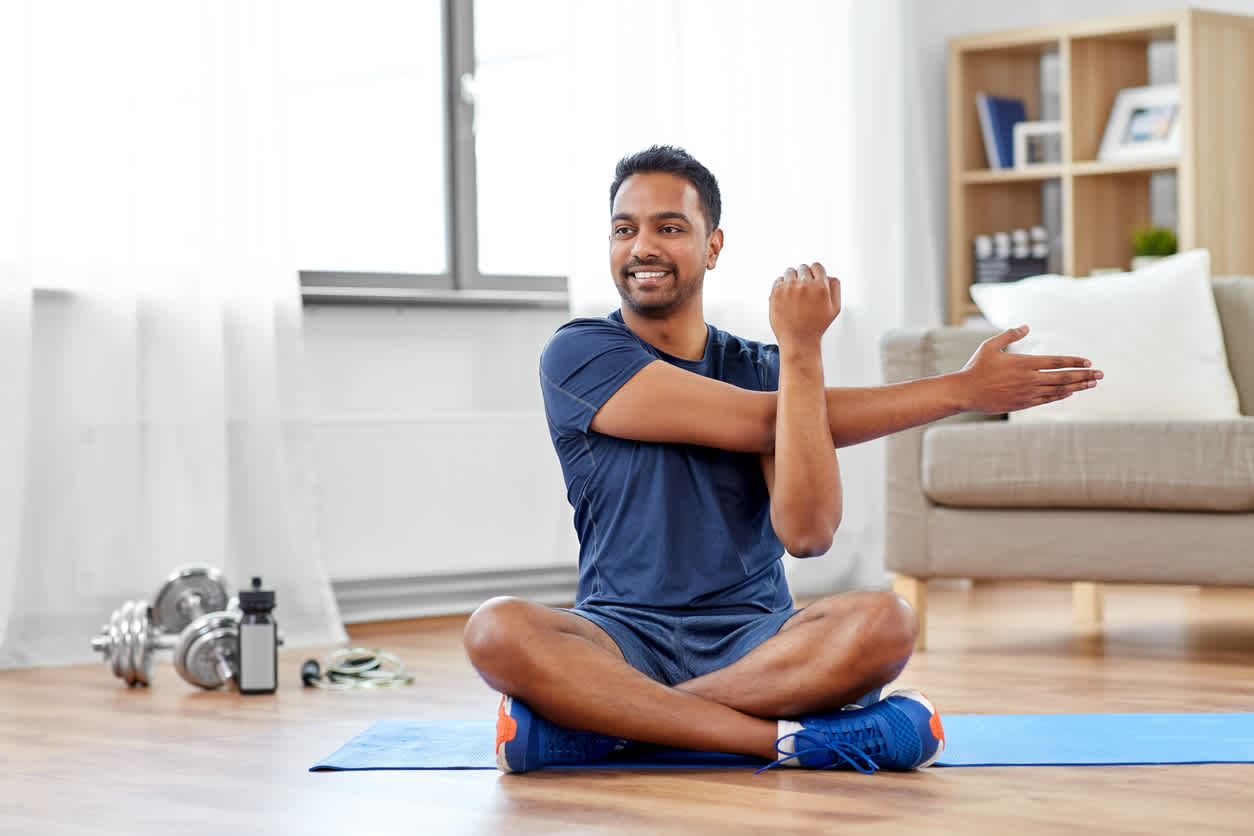
- Mobility exercises: Stretching exercises help prevent osteoporosis, reduce bone stiffness symptoms, and also yoga and Pilates.
- Aerobics exercises: Brisk walking and swimming are exercises that raise heart rate and increase blood flow to muscles, so they help treat osteoporosis.
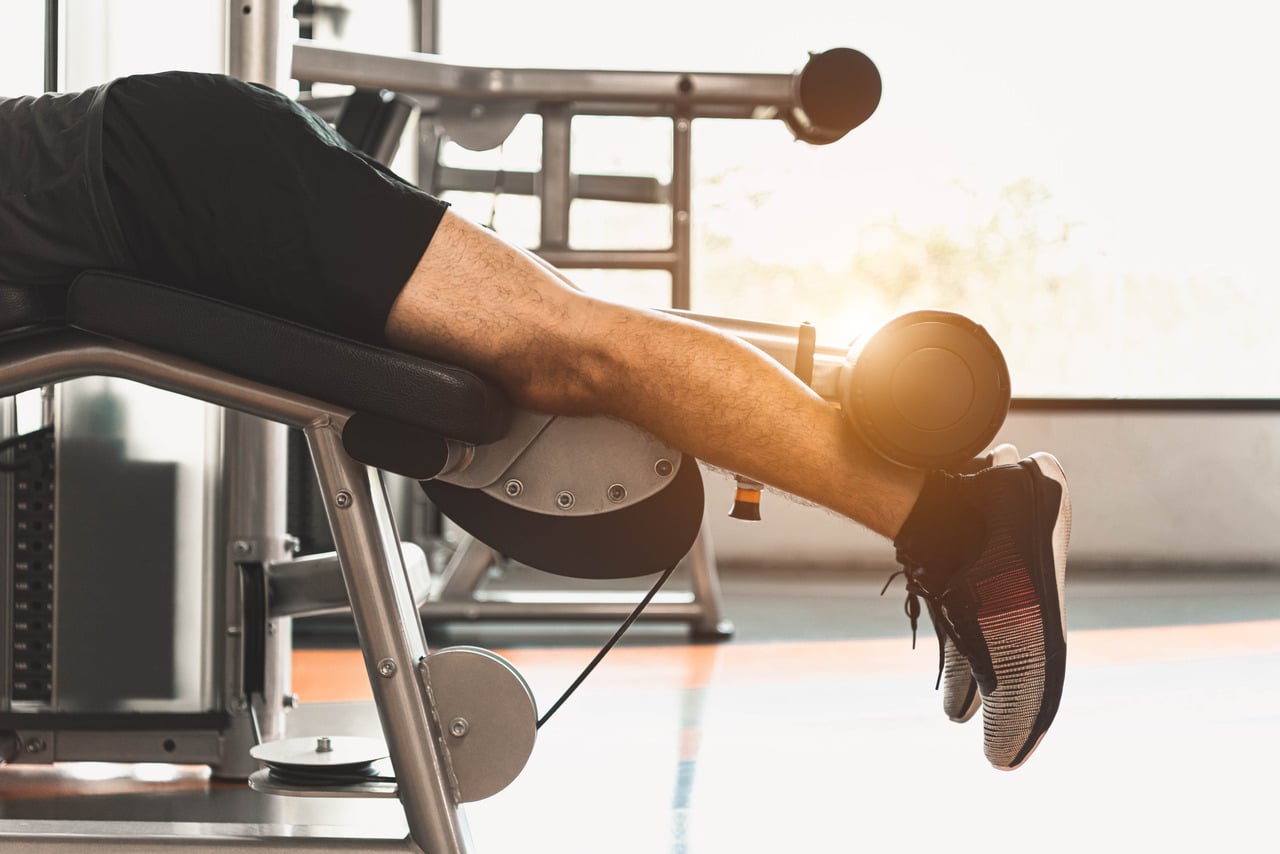
- Resistance exercises: Weightlifting and resistance exercises build the muscles that support tendons and cartilage.
Exercise plan for joint treatment:

First exercise: Foot stomps

How to do the exercise:
- Stand properly then press the ground with the soles of your feet.
- Repeat this exercise 8 times in a row.
Second exercise: Bicep curls

Use dumbbells or a resistance band for this exercise
How to do the exercise:
- Stand up straight.
- Hold a weight in each hand.
- Move the weight toward your shoulders.
- Until it's level with your shoulders then go back to the start.
Exercise three: Shoulder lifts

How to do the exercise:
- Stand straight and hold a dumbbell in each hand.
- Start by raising your arms upwards.
- Until your arms are straight and tight.
Before you start:

There are some tests you should do before starting a training program:
- Bone density measurement.
- Fitness assessment.
Try to find activities you enjoy because this will help you keep going. You can switch between different activities to avoid boredom, and you can also join a group to motivate each other to keep going.
At first, make sure to exercise regularly until you reach 30 minutes of aerobic exercise, 5 days a week. You can swim, bike, or dance. In addition to strength exercises for 3 days a week, If you’re not sure what suits you exactly, ask a physical therapist to set up a workout plan for you and ways to treat the pain. You won’t see quick results before at least 3 weeks, but many patients found regular exercise helps in the long run.