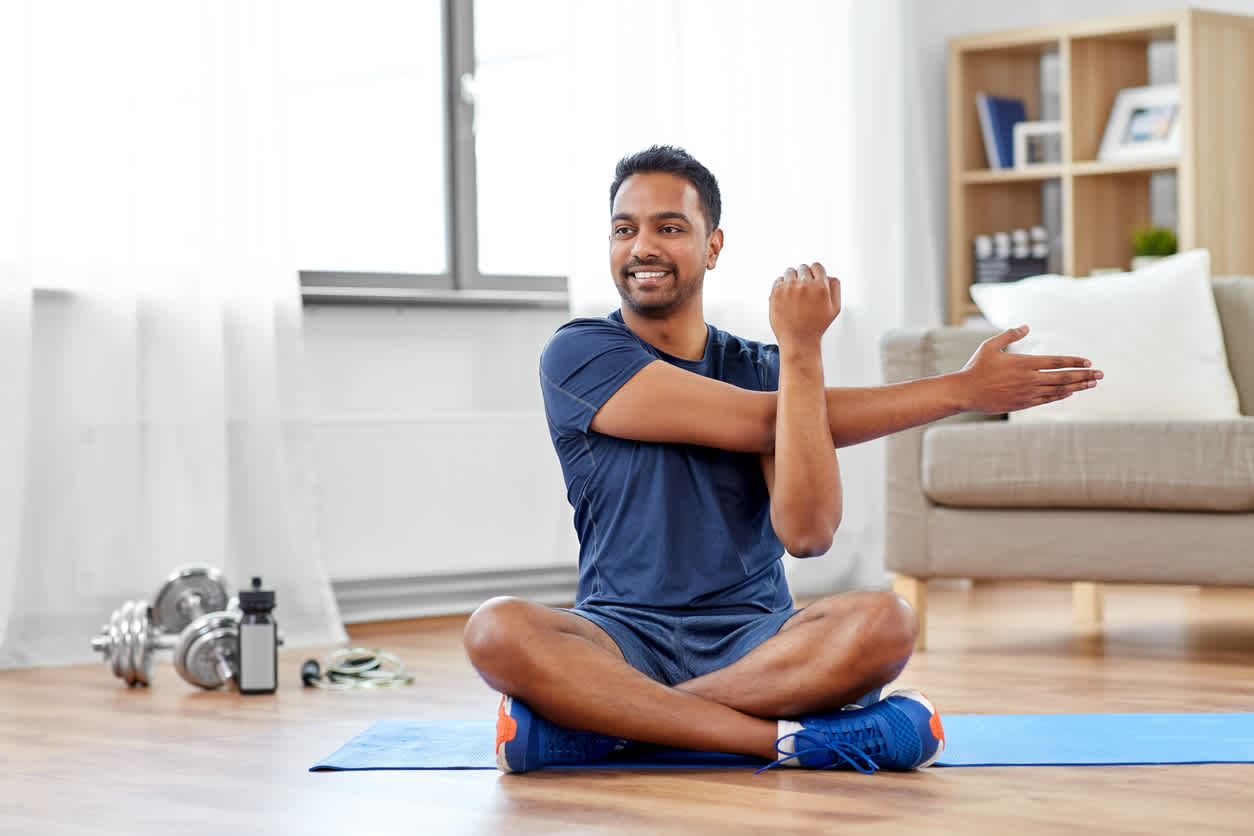

Fitness coaches give a lot of key tips to exercisers, like the need to tighten core muscles (the core), or activate the abs, or keep the midsection stable, or pull the belly button toward the spine.
Though there are many ways to say it, they all mean the same thing: engage the core muscles to stabilize or support the body for a certain exercise, like doing stationary biking.
In this article, we will learn what trunk muscles are, the right way to engage them in exercises, and why engaging these muscles is important.
What Are Trunk (Core) Muscles?

To understand how to engage core muscles in workouts, you need to know what these muscles actually are. Many people confuse the core with just the six-pack abs, but the core anatomy is more complex.
The core refers to the main muscles that move, support, and stabilize the spine, while the abs are only four different abdominal muscles. Also, back muscles are part of the core.
Here are the key muscles involved when engaging the core in exercises:-
-
Rectus Abdominis muscle:- This is the most famous abdominal muscle and is responsible for the six-pack. It’s a long, flat muscle that runs from the pubic bone to the 6th and 7th ribs. The rectus abdominis mainly flexes the spine.
-
External Obliques muscles:- These are the muscles on the sides of the rectus abdominis. The external obliques let you twist your torso, bend sideways, flex the spine, and tighten your abs.
-
Internal oblique muscles:- Internal obliques are located just under the external obliques. They do the same jobs as the external obliques.
-
Transverse abdominis muscle:- This is the deepest muscle layer in the belly. It wraps fully around the torso from ribs to hips. Unlike other abs muscles, it doesn't move the spine or hips but stabilizes the spine, compresses internal organs, and supports the belly wall.
-
Latissimus dorsi muscle:- Also called 'lats', these muscles run along the sides of the spine from below the shoulder blades down to the hips. They help stabilize the back, especially when you extend your shoulders. They also help with twisting the torso side to side.
-
Erector spinae back muscles:- The erector spinae muscles sit on each side of the spine and run along the whole back. These muscles help extend and rotate the back and move it side to side.
These are postural muscles, often always working to keep the body steady. Hip and glute muscles help stabilize the trunk but not as much as these muscles.
Once you learn to properly engage your core muscles during workouts, you'll be surprised how much stronger you get in compound moves like squats and deadlifts.
What does it mean to engage core muscles during workouts?

People learn from mistakes, so it might be easier to learn how to engage your core by understanding what NOT to do. Here are some common examples of not engaging your core right:-
-
Bending your back during overhead press or push-ups.
-
Lifting your lower back off the ground when trying to hollow your body.
-
Leaning strongly to one side while doing one-arm shoulder press.
-
Losing balance while doing one-leg exercises.
All the cases above show weak core muscles in different ways. Not making these mistakes means properly engaging your core muscles during workouts, giving your body support and stability.
How to engage core muscles during exercises

Engaging core muscles means tightening and securing all muscles around the core area. This includes the four abdominal muscles, the transverse back muscles, the side spine muscles, andthigh muscles front, andgluteal musclesThis is to keep the spine stable and protected. Imagine everything from the ribcage to the pelvis as a strong, solid cylinder.
Engaging core muscles in exercise is more than just 'pulling your belly in.' Imagine you're about to get hit suddenly in the stomach. You won’t just pull in your belly, you’ll take a deep breath and tighten your abs.
The right way to engage core muscles
-
Straight posture: Stand or sit straight, keeping your spine neutral. Make sure your body weight is evenly spread over both feet.
-
Deep breathing: Take a deep breath through your nose, focusing on filling your belly with air instead of your chest. Try to feel your belly expand as you breathe.
-
Tighten your core muscles: After taking a deep breath, tighten your belly muscles like you’re about to get punched in the stomach. Like you’re pulling your belly button toward your spine while tightening your lower back muscles.
-
Body stability:- Keep this tension in your core muscles while moving or exercising. Make sure your core muscles support and protect your spine during any activity.
-
Continuous training:- Over time, you’ll be able to engage your core muscles faster and better, which improves body stability and strength during workouts.
Breathing is the key to engaging core muscles because you need to keep breathing normally while holding your core tight. Every breath gives you another chance to engage your core and build a strong muscle cylinder from ribs to hips.
For example, think about professional and Olympic weightlifters. When they wear weight belts to help lift, their bellies often look puffed out over the belt. This isn’t bloating or fat, it’s because they’re using their breath to push against the belt, giving extra support to the spine.
The importance of engaging core muscles in exercises

Engaging your core muscles is not just good for athletes, it has many benefits for everyone, whether during workouts or daily activities.
When someone engages their core muscles, it creates a strong base that stabilizes the body and protects the spine from strain and injuries. This stability helps spread forces evenly, reducing pressure on the back and allowing you to do heavy or complex moves more safely.
Also, engaging core muscles forms a strong muscle ring around the spine that helps stop the vertebrae from bending, stretching too much, or tilting too far to one side. This protects the spine from movements that might cause strain or injury, boosting body safety during physical activity.
Plus, engaging your core during exercise can improve workout performance, prevent injuries, and enhance functional movement.
When should you engage your core muscles?

Engaging your core during exercise is important when there’s a chance the spine might bend, stretch, or twist too much.
- Engage your core during weightlifting exercises
Lifting weights might be the best time to engage your core muscles. When you bend at any main joint like shoulders, hips, ankles, or knees, there's a chance your spine moves too. This helps protect against injuries and keeps your body stable while lifting.
- Engaging core muscles during Cardio exercises
Cardio does not have the same spine injury risk as weightlifting since your spine usually doesn't go into risky positions. Still, using your core during cardio can improve your posture and lessen pain or discomfort you might feel during or after exercise.
For example, engaging your core can help keep your chest up and shoulders back when running. This can stop your neck from overstretching, which often causes neck pain and headaches. Also, stabilizing your core while running can ease pressure on your lower spine, reducing or stopping any back pain you might have.
- Engaging core muscles during Abdominal Exercises
Engaging the core muscles during abdominal exercises can be tricky because it involves a lot of movement in the torso. Still, some signs show a person needs to stabilize the muscles, mainly overextending, also called back arching.
- Engaging Core Muscles All Day
You can prevent bad posture and related chronic pain by engaging your core during everyday activities like shopping. Try activating your core when reaching for stuff on high shelves. It's also good practice that helps in workouts.
Practice How to Engage Core Muscles

You can practice how to engage your core by doing some simple exercises, You can do this by following these steps:-
-
Lie on your back on the floor, bend your knees, and keep your feet flat on the ground.
-
Stretch your arms beside your body with your palms on the ground.
-
Press your lower back into the floor so your tailbone tilts slightly up.
-
Take a deep breath to fill your belly with air, then tighten your abs while keeping your lower back touching the floor.
-
Use your abs to pull your belly button up and in while still breathing in.
-
Keep breathing, filling your chest with air, making sure your belly stays full the whole time.
-
Take 3-5 breaths, relax, then repeat the exercise.