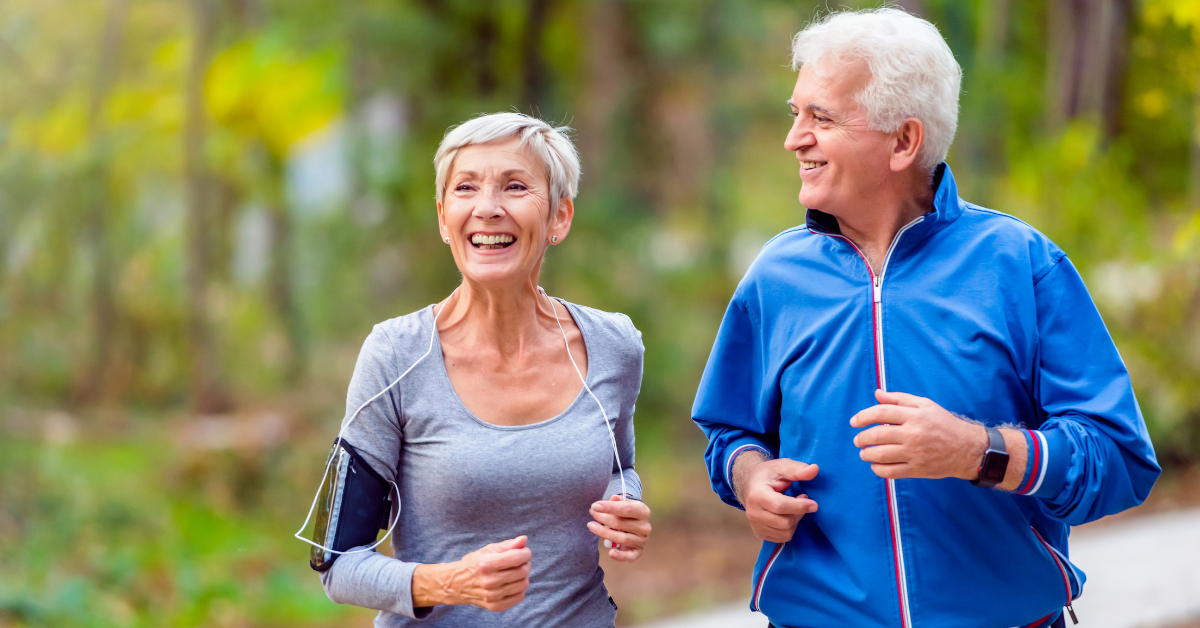

As people get older, some might think exercise is no longer needed, but actually physical activity is more important for seniors than ever. Studies show regular exercise helps improve overall health, boosts physical strength, and prevents chronic diseases like diabetes and heart problems. Plus, exercise helps keep the body flexible, improves balance, and lowers fall risks, which all improve quality of life.
According to the CDC, seniors without limiting medical conditions should get at least 150 minutes of moderate aerobic activity weekly. Or they can do 75 minutes of vigorous aerobic activity each week.
This article will explain why exercise is important for seniors and the health benefits they get from doing it regularly and safely.
The importance of exercise for seniors

Exercise is important at every age, and it’s even more important as you get older because it helps reduce the risk of many aging-related health issues, like muscle weakness andlower bone density.
can lead to Muscle weakness leads to pain, injuries, and losing independence, but doing weight exercises can prevent that.
Also, exercise is a good way to fight the mental decline that comes with age. Taking genetics into account, people who live healthy lives and exercise regularly have much lower risks of gettingdementiacompared to those who are less active.
Besides that, exercise also lowers the risk of many diseases, including heart diseases,Diabetes, andDepression, andHigh blood pressure, Stroke, andColon cancer , andBreast cancer, and others.
Moderate and vigorous physical activity

You can mix moderate and vigorous physical activities to reach the total activity needed. Mix days of aerobic exercises moderate with days of intense aerobic exercises, or you can do the equivalent physical activity with periods of vigorous activity during one exercise session.
To stick to physical activity, pick activities you enjoy, like dancing, and brisk walking, andcycling, andswimming. Adding variety and enjoying different activities during the week helps you integrate faster and stick to your workout schedule.
moderate-intensity aerobic exercises

You should consider duration, frequency, and intensity when adding exercises to your daily routine.
Here’s what you need to know to do moderate-intensity aerobic exercises:
-
DurationThe minimum time for moderate aerobic exercise is 30 minutes, five times a week. But you get more benefits if you exercise 60 minutes a day. You can split the exercise into sessions of at least 10 minutes. Total exercise time should be 150 minutes a week.
-
FrequencyYou should exercise at least 5 days a week.
-
Signs of intensity: Exercise intensity is when both breathing and heart rate increase. Breathing gets faster but you can still talk fully, maybe sweat a bit. On a scale from 1 to 10, where 0 is rest, moderate intensity is 5 or 6.
-
TypesFast walking, light jogging, treadmill, elliptical trainer, biking, swimming, and dancing are all moderate aerobic activities for seniors. Walking is the most accessible and suitable exercise. But if someone has hip or knee arthritis, they might prefer water exercises or a recumbent bike to reduce joint pressure.
If you haven't started yet Walking As an exercise, start by walking for 10-15 minutes each time. Work on improving your posture and increase your walking time gradually by 5 minutes every week. Also, consider investing in a good pair of walking shoes for seniors.
You should be able to increase your walking time within four weeks to enjoy walking for 30 minutes each time. Once you reach 30 minutes, you should work on increasing your speed in walking.
High-intensity aerobic exercise

High-intensity aerobic exercises are a bit more intense than moderate-intensity exercises.
Here's what you should know to practice high-intensity aerobic exercises:-
-
DurationWhen exercising hard, sessions should last at least 20 minutes. For high intensity, aim to exercise at least 75 minutes per week. 150 minutes can give more benefits.
-
FrequencyTo meet the guidelines, you should exercise at this intensity at least three days a week.
-
Signs of Intensity: At high intensity, breathing is fast so you can’t easily hold a full conversation, just short phrases. Your heart rate goes up and you probably sweat. On a scale of 1-10, it’s about a 7 or 8.
-
TypesSince everyone’s fitness level is different, some get strong effort from fast walking, while others may need Running or cycling to push their efforts to a higher level.
Strength training exercises

Muscle-strengthening activities are key for older adults to stop muscle loss, bone density drop, and to keep movement and function good. This type of activity is also called resistance training.
Here’s what you need to know about doing strength exercises:-
-
Getting StartedYou can visit a fitness center or use a muscle-strengthening workout guide to learn the basics. It can also help to get advice from a certified personal trainer to adjust exercises to your fitness level and fix any muscle or bone issues.
-
RepetitionMuscle-strengthening exercises are done at least twice a week. Perform 8-10 exercises with each done 10-15 times.
-
TypesLifting, pushing, and pulling exercises help build muscle strength and endurance. You can use gym machines, or resistance bands, or free weights.
Flexibility exercises

are flexibility exercises important for daily activities because they help keep the right range of motion around joints.
Improving your body's range of motion helps lower injury risk, and keeps joints from getting stiff or painful. Also, keeping a good range of motion improves exercise and other activities by ensuring good posture and better muscle activation.
You should set aside 10 minutes twice a week to stretch the main muscles and tendons. Each stretch should last 10-30 seconds, repeated 3-4 times.
Balance exercises

Any exercise can help strengthen muscles and improve balance to lower fall risks in older adults. But adding specialized balance exercises three times a week can cut fall risks even more.
US Health Department guidelines recommend balance training with exercises like walking backwards, side steps, heel walking, toe walking, and standing up from sitting. You can add these balance moves to your daily walk to do both activities together.
Exercises Tai Chi, standing on one leg, andYoga might help improve balance too.
Precautions and Safety

If someone has limits that stop them from following the above guidelines, the main thing is to stay active daily in any way. Any amount of exercise is better than none, so just starting is key.
Also, a person should discuss any new exercise plan with their healthcare provider to make sure it suits them. The provider can help create a plan that fits their current abilities or any limits.
If someone has a chronic condition, they should work with a medical expert to make an activity plan that considers their health, risks, and treatment needs. Safe exercises bring the most benefit.
Also, don’t push past pain. If there's any pain, dizziness, cramps, sudden weakness, numbness, or nausea during exercise, stop immediately and think if emergency medical help is needed.
Finally, to keep seniors safe during exercise and sports, make sure another person is nearby to help if they fall or get hurt.