The knee is one of the most important and complex joints in the body. Today we'll look at its anatomy in detail and how to protect it from injuries. Here are some facts you should know about the knee joint, like: The knee joint is one of the largest joints in the body, The knee holds a large amount of fluid. Follow the Fitness Garage team below to learn more about the knee joint.
Knee joint anatomy

The knee is a joint responsible for bearing heavy weight and body movement. It's made of bones, cartilage, ligaments, and tendons. The knee also has these functions:
- It supports the body in standing upright.
- It helps lower and raise the body.
- Provides stability to the body.
- Acts as a shock absorber in the body.
- Helps with twisting the legs.
- Move your body forward with it.
First component: the bones
The knee consists of thigh bones, leg bones, and the kneecap (patella): a small triangular bone at the front of the knee inside the quadriceps muscle, lined with strong cartilage to help strengthen it.
Second component: the cartilage
There are two types of cartilage in the knee:
- Type one: They are crescent-shaped discs that act as cushions or shock absorbers. They let the knee bones move easily without rubbing directly against each other. The joint cartilage has nerves that help improve balance and stability in movement. The knee has two cartilages: the larger one is on the inside, and the smaller one is on the outside of the knee.
- Type two: Found in the thigh bones, top of the shin, behind the kneecap, it's a thin shiny layer of cartilage. It works as a shock absorber there and helps the joint move smoothly.
Third component: ligaments
These are tough, fibrous tissues like strong ropes. Their job is to connect bones together and prevent random dislocations. The knee has four types:
1- Anterior cruciate ligament: It stops the thigh bone from sliding backward on the shin bone.
2- The posterior cruciate ligament: It keeps both the thigh bone and shin bone in their correct place.
3- The medial collateral ligament: It stops side-to-side movement of the thigh bones.
4- The collateral ligament: It helps the medial collateral ligament in its job.
The third component: tendons
They are tough bands of tissue that keep the joint stable during movement. One main job is linking bones to muscles. The biggest tendon in the knee is the patellar tendon. It covers the knee, goes up to the top of the thigh, and attaches to the quadriceps muscles.
The fourth component: muscles
They aren't actually part of the knee, but the quadriceps thigh muscles strengthen the leg and help bend the knee. There are 3 muscles called quadriceps, primary muscles split into middle and minor parts.
The fifth component: joint capsule
The joint capsule is a membrane bag that surrounds the knee joint. It's filled with fluid called synovial fluid that lubricates, feeds the joint, and helps it move. The knee has about 14 fluid-filled sacs inside the joint that reduce friction between tissues and prevent inflammation.
Common injuries in the knee

Knees get hurt during sports, workouts, or from a hard fall. Symptoms include swelling, sharp pain, and trouble bearing weight. Next, we'll talk about the most common knee injuries:
First injury: Sprains and strains
Sprains and strains are ligament injuries, like the ACL or front ligament, which are hit the most. These injuries happen in sports like soccer and basketball. The knee can get hurt from sudden foot direction changes or bad landings, and you often hear a popping sound.
Injury two: Meniscus tear
A meniscus tear usually happens during sports when the knee twists violently. It can also happen with aging as the meniscus cartilage wears down. This makes it tear even with a small bend or sudden move. Symptoms include stiffness and limited motion.
Injury three: Fracture
Fractures happen due to impacts like falls and car accidents. The bone by the knee that breaks most often is the patella.
Injury four: Runner's injury
Runners or those running long distances often get a group of problems called anterior thigh syndrome. You feel pain behind the knee, then it moves to the front and it gets harder to move over time.
Treatment and rehab after injury

You should see a doctor as soon as possible. Treatment usually includes ice and elevation. Docs may prescribe some painkillers. Some minor injuries need stretching exercises but only after at least 48 hours have passed since the injury. For cases like a torn ACL or PCL, surgery with an arthroscope is needed to fix the injury.
Also, the doctor sets a rest period, and the patient should avoid gaining weight to reduce load on the leg, and they may recommend using crutches for a limited time. Treatment usually includes physical therapy and rehab. The goal is always to restore stability and strength
Preventing knee injuries

The following tips may help prevent knee injuries, they are:
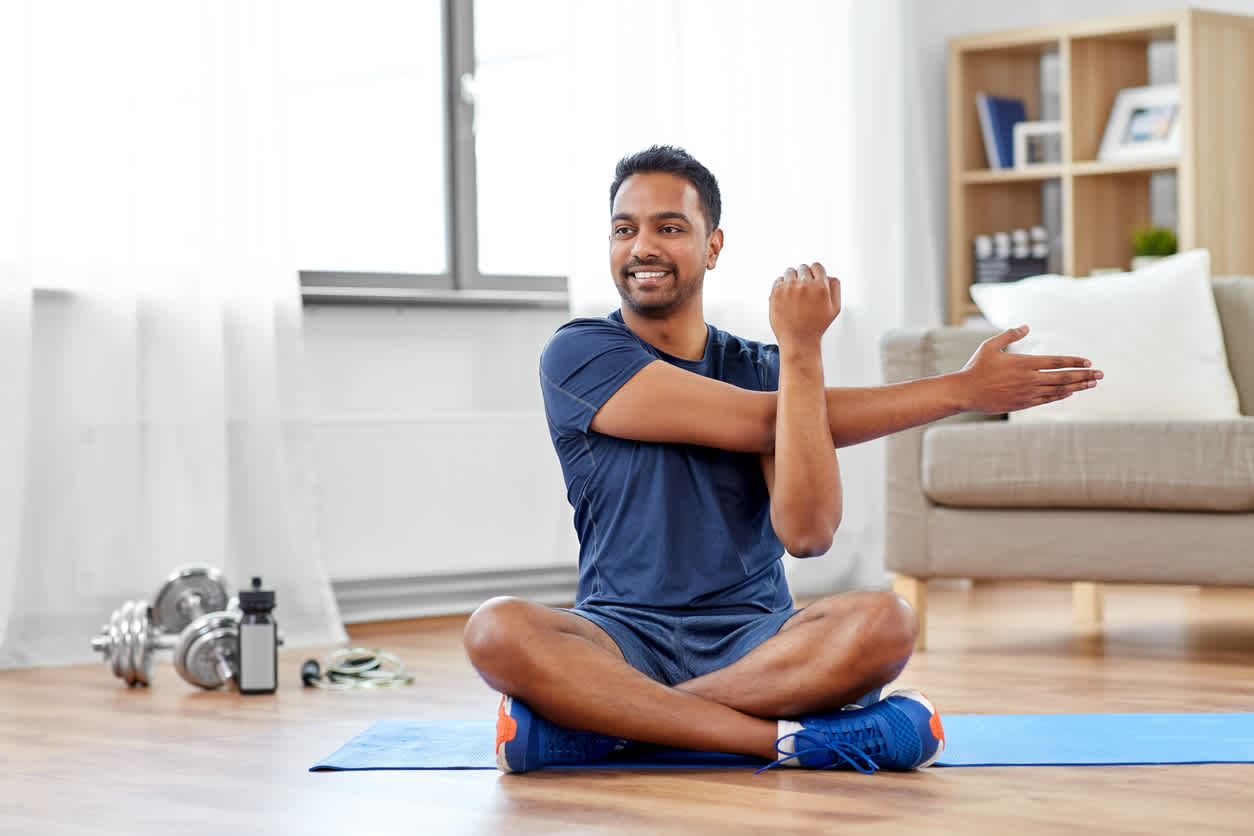
- Warm up by walking and stretching before and after exercise.
- Keep your leg muscles strong. Use stairs, bike riding, and resistance exercises.
- Avoid sudden knee movements.
- Use shoes made for running and workouts.
- Keep a healthy weight to avoid extra strain on your knees.
- Always wear your seatbelt in the car.
- Wear knee pads in sports where you might get hurt.
Seeing a doctor after any injury helps prevent many complications. So don’t hesitate to visit a doctor right away. Doing sports when you’re young lowers injury risk from old age effects. Fitness Garage always encourages all girls to do sports, whether in special places or at home.