If you can't sneeze, laugh, or cough without some urine leaking, you're not alone. Many people have this problem. There's an easy and simple solution: some specific exercises that strengthen the pelvic muscles. In this article, we'll learn about the importance of pelvic muscles and how to strengthen them.
What is the pelvic floor?
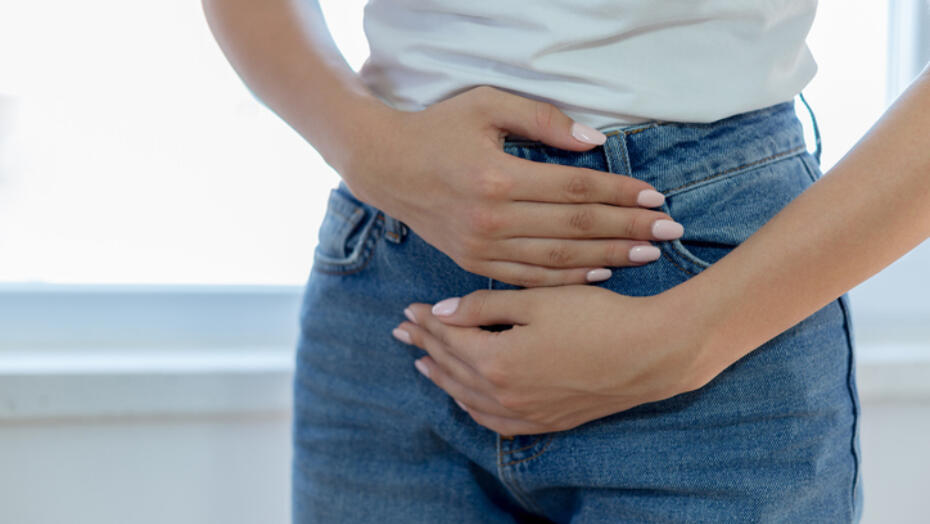
The pelvic floor is made up of muscles and connective tissues. The pelvis includes some organs like the urethra, bladder, intestines, and rectum., And the uterus and cervix.One of the daily functions of the pelvic floor is to support its muscles and the organs it contains. It also helps improve sexual life.
Pregnancy and childbirth weaken those muscles, which can cause many problems, pain ranging from mild to severe, and discomfort. But this period is not the only factor for weakness in this area, but with age, surgery, or sitting for long periods, lifting weights the wrong way, sexual assault, or overweight.
How do you feel your pelvic floor muscles?
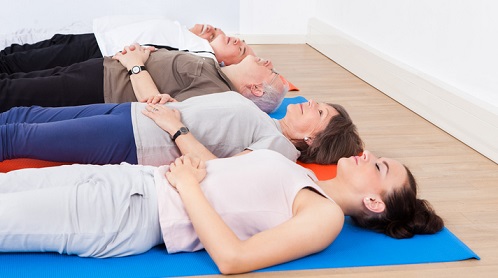
It's important to feel your pelvic floor muscles so you can slow or stop urine flow. If you can do this several times, you can find your pelvic floor muscles. Here are some ways to find them:
- Lie on your back with your knees bent, feet flat on the floor, and breathe in.
- Breathe out and pull your belly muscles inward.
- Hold for one or two seconds.
- You should feel your muscles release.
This exercise helps you identify your pelvic floor muscles and then learn how to control them.
What is pelvic floor dysfunction and how common is it?
When pelvic floor muscles are weak, they can't properly support the pelvic organs, causing pelvic disorders like urine leakage, overactive bladder, and painful sex. These symptoms get worse with age and during pregnancy.Many women think this is normal and so don't get the right treatment.
Pelvic weakness symptoms include:
- Pressure or fullness in the pelvis.
- Frequent urge to pee or painful peeing.
- Urinary incontinence.
- Constant lower back pain.
- Constipation, trouble pooping.
- Difficulty emptying the bladder.
- Leakage in the intestines.
- Pain during sex.
- Pain in the pelvic area.
- Muscle cramps in the pelvic area.
There are many non-surgical solutions offered for this condition, and if they aren't effective, you can see a specialist for physical therapy.
Is the pelvic floor too tight or too loose?
The chronic issue can happen due to low-tone muscles (very loose or overactive muscles), or very tight muscles, causing pelvic dysfunction. This worsens the issue or causes urine leakage.
Pelvic muscle strength exercises
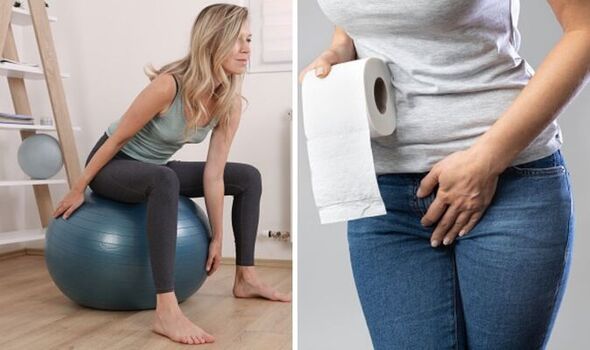
There are some exercises to strengthen pelvic muscles you can do without any equipment and no matter your fitness level, such as:
First exercise: Quick flick Kegels
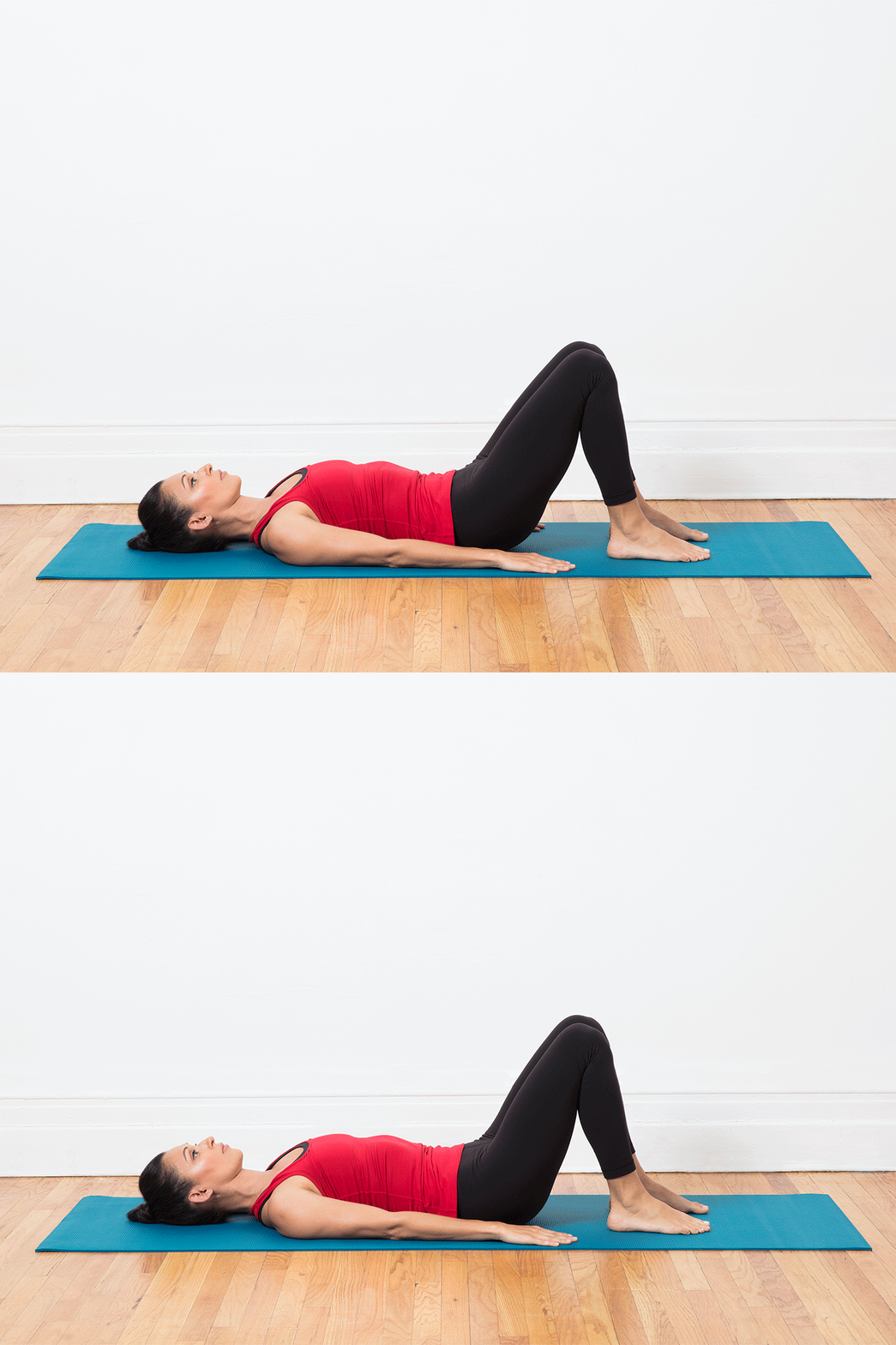
How to do the exercise
- Start by lying on the floor with your knees bent up.
- Your feet should be flat on the floor.
- Try to feel your pelvic muscles.
- Pull your stomach muscles inward.
- Hold this position for 5 seconds.
- Repeat this exercise 10 times.
Second exercise: Heel slides

How to do the exercise
- Lie on the ground with your knees bent up.
- Take a deep breath into your chest through your mouth.
- Hold your breath between your ribs.
- Straighten your legs forward then bring them back again.
- Repeat this exercise 10 times, 2 sets.
Third exercise: Marches
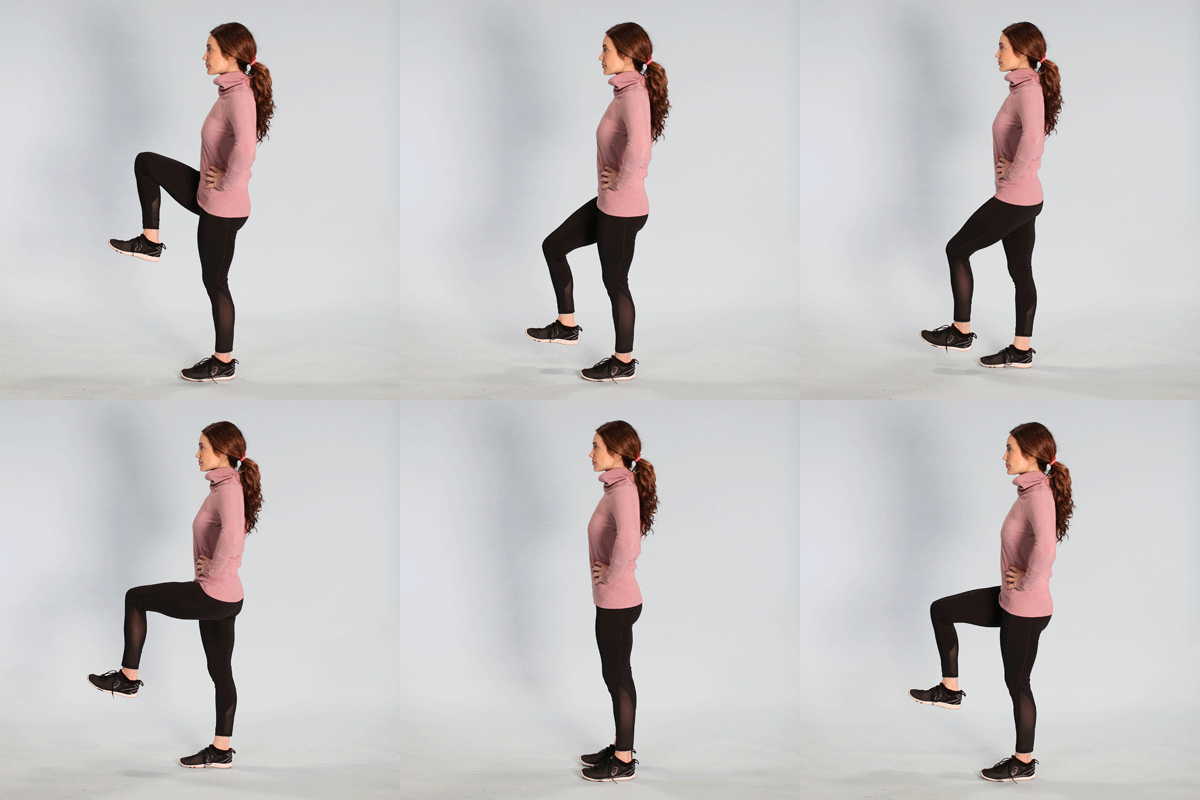
How to do the exercise
- Stand up and try to feel the pelvic floor muscles.
- Slowly bend your right knee up.
- Tighten your pelvic floor muscles.
- Repeat this with the other leg once more.
- Repeat the exercise 10 times for 2 sets.
Exercise four: Happy Baby Pose
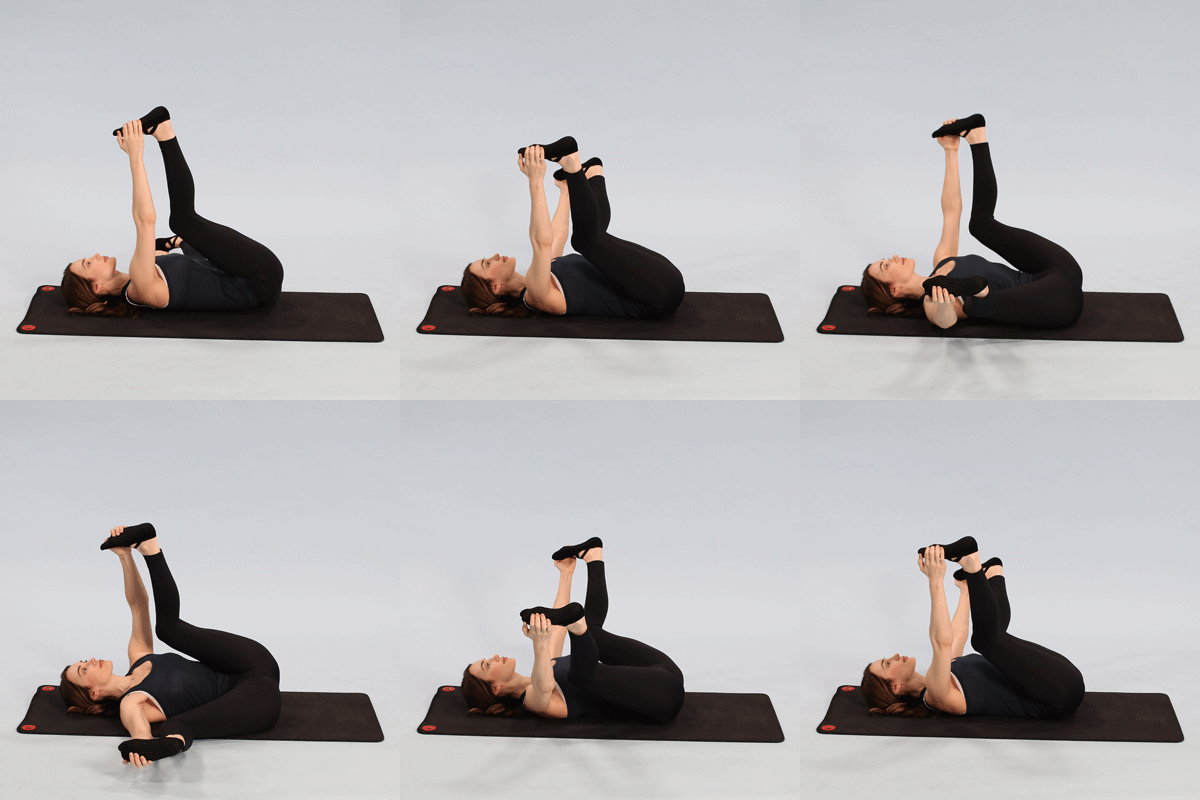
How to do the exercise
- Lie down on the floor.
- Bring your knees to your chest.
- Your legs should be at a 90% angle.
- Hold your feet with your hands.
- Move the lower part to the left and right.
- Repeat this exercise 12 times, two sets.
When to see a specialist
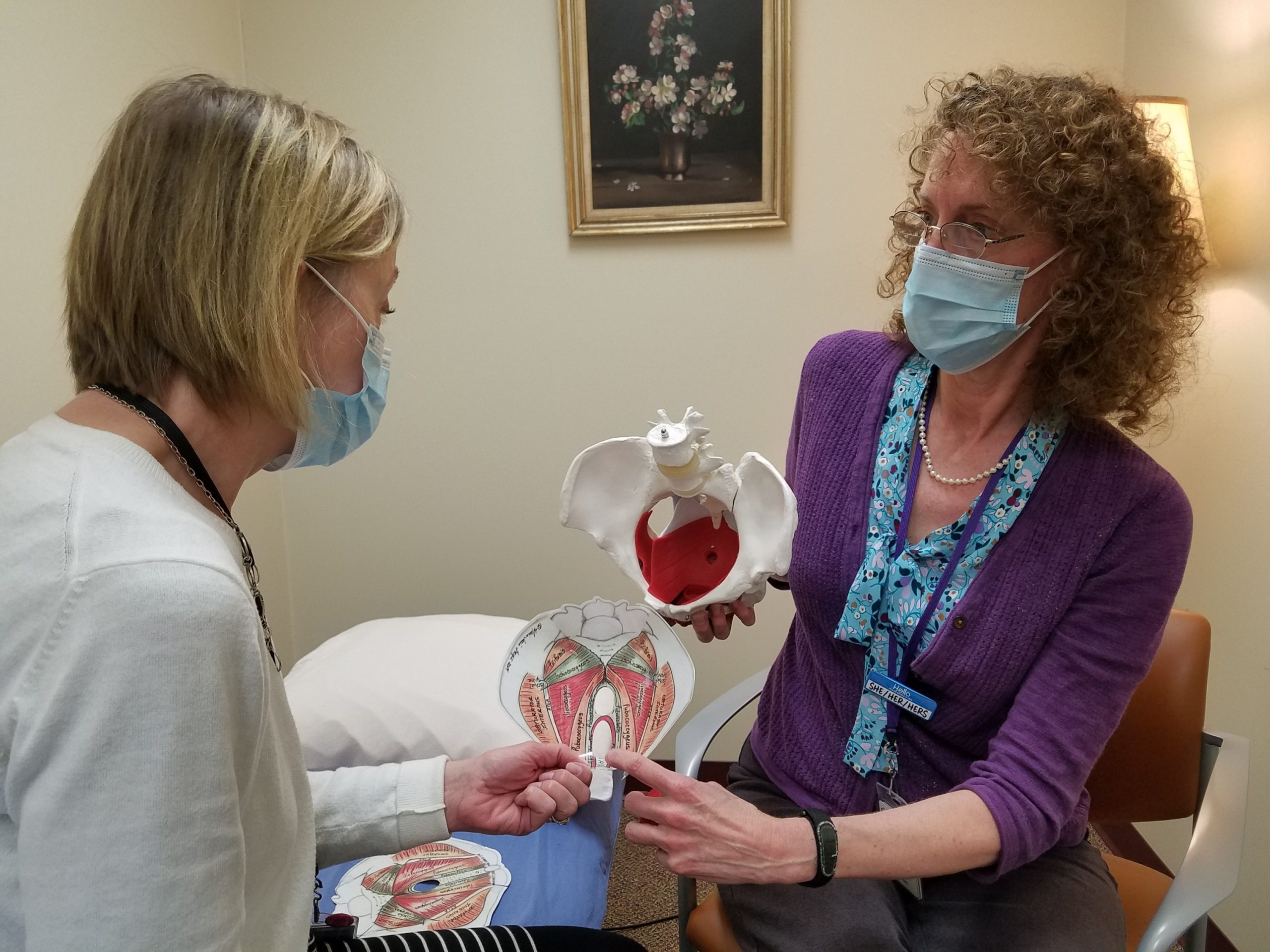
Adding this exercise to your daily routine will gradually strengthen the muscles, but some cases need quick medical help and these cases are:
- Leakage of urine or stool.
- Problems with bowel movements.
- Pressure or discomfort in the pelvis.
- Feeling bloated from the vagina or anus.
- Pain while peeing.
- Urinary incontinence.
- Difficulty emptying the bladder.
Exercise and a healthy lifestyle can prevent many problems, so Fitness Garage team always encourages girls to live healthy, for free through the group Or subscribe and follow daily with one of the trainers and you can learn the subscription terms by sending a message to the Facebook page.