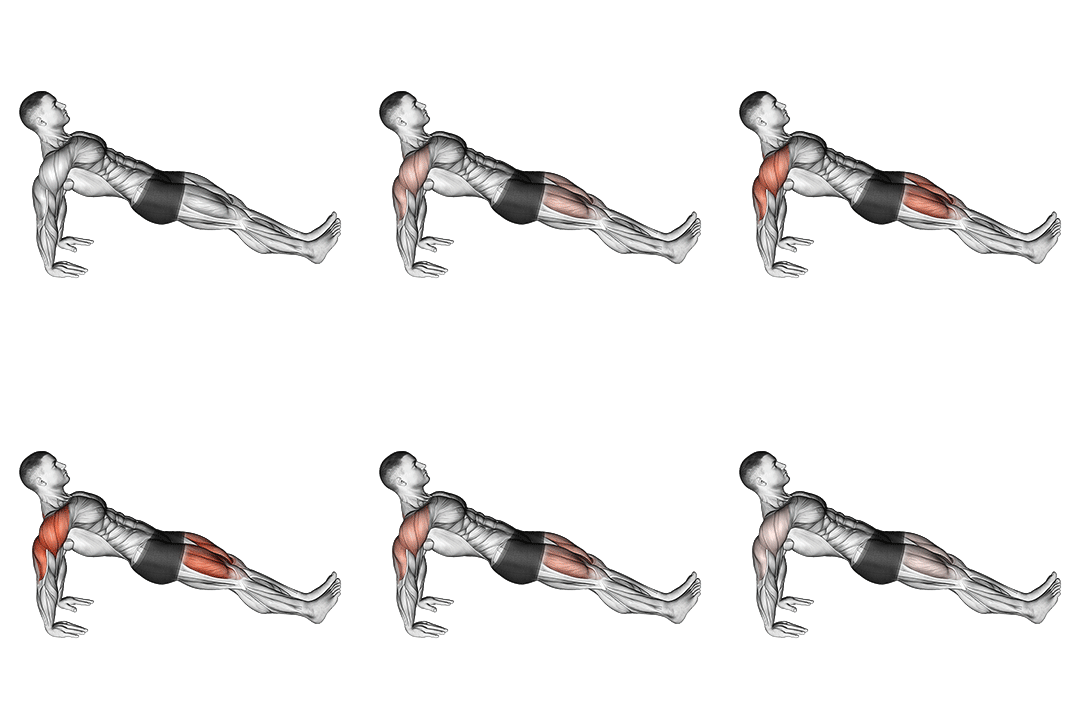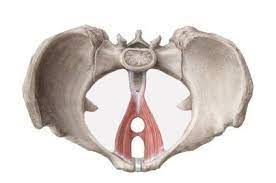
The Levator Ani muscle is the largest part of the pelvic floor. It's a wide muscle sheet that attaches to the pubic bones in front and the spine at the back.
The Levator Ani muscle supports the organs inside the pelvis. It also plays a key role in urination, bowel movements, sexual functions, and childbirth. The Levator Ani is made up of three main muscles which are :-
-
the Pubococcygeus muscle.
-
the Ilio Coccygeus muscle.
-
the Puborectalis muscle.
-
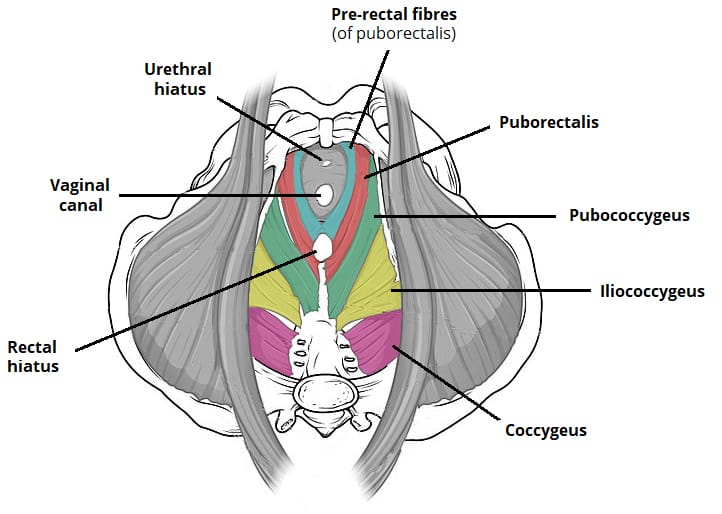
Here is the anatomy of the Levator Ani muscles :-
-
The puborectalis muscle (sphincter) Puborectalis :-
The puborectalis muscle is the narrow, thick middle part of the levator ani muscle, forming U-shaped muscle bands around the rectum.
-
Pubococcygeus muscle Pubococcygeus :-
The pubococcygeus muscle, also called the visceral muscle, is the wider, thinner part of the levator hiatus. Inside the muscle opening are parts attached to the body, which include the part entering the anal canal, the pubic part of the vagina that enters the vaginal wall.
-
Ilio-coccygeus muscle Ilio Coccygeus :-
This is a layer of muscle crossing the pelvic outlet from the tendons of the levator ani muscle. It joins with the muscle on the other side and attaches to the upper surface of the coccyx.
-
Function of the levator ani muscles :-

The main function of the levator ani muscle is to support the pelvic organs and also to resist increases in abdominal pressure.
The puborectalis muscle works with the internal and external anal sphincter muscles to enable bowel movements.
The pubococcygeus muscle supports the vagina and helps keep the baby's head in the right position.
The iliococcygeus muscle provides safe stabilization for the pelvic floor.
-
Problems of the levator ani muscle :-
Natural childbirth can increase the chance of pelvic floor dysfunction in women due to changes in the levator ani muscles and pelvic floor as they stretch enough for the baby’s head during labor.
Research shows about 13 - 36% of women after natural birth have injuries to the levator ani muscle.
There’s also something called levator ani syndrome, which is more common in women, with main symptoms of mild, constant or repeated rectal pain caused by spasm of the levator ani muscle, which is known by several names too :-
-
Chronic anal pain.
-
Chronic rectus.
-
Levator spasm.
-
Pelvic tension.
-
Piriformis syndrome.
-
Pubic syndrome.
-
Here's a workout plan for the levator ani muscles :-
-
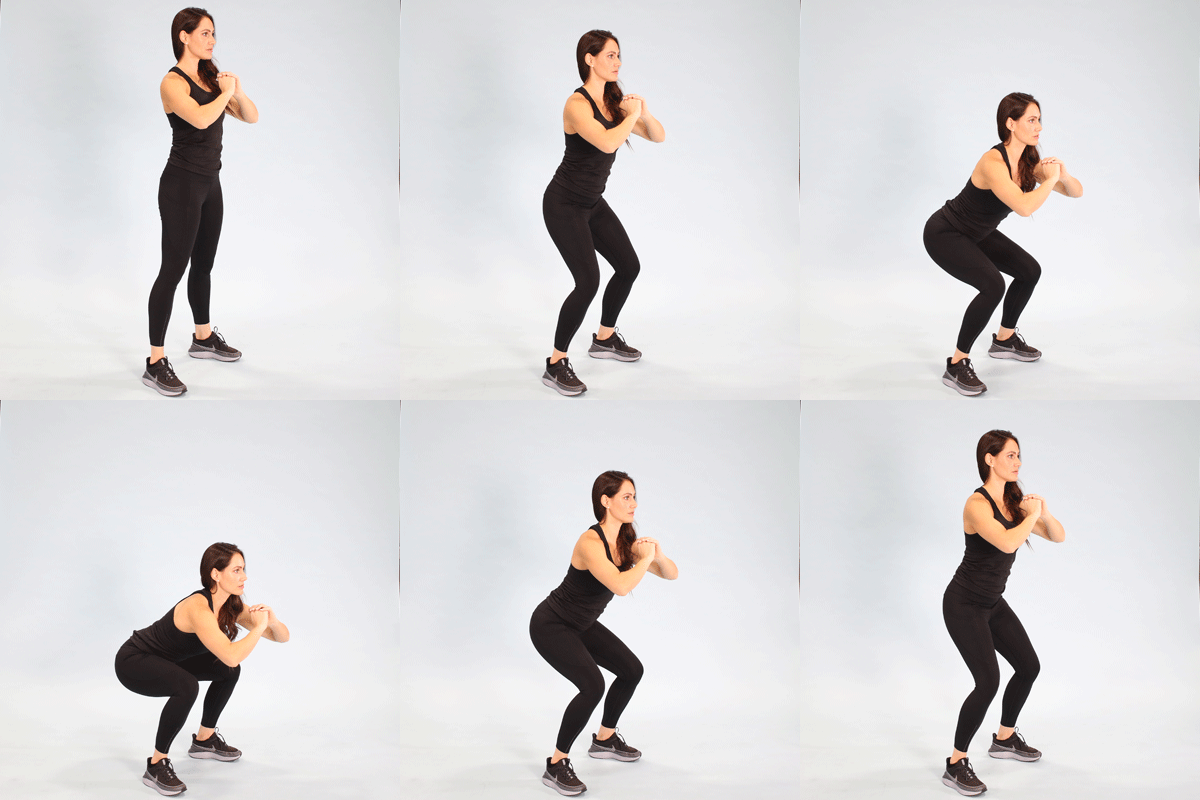
Deep Squat exercise :-
- How to do the exercise :-
-
Stand with your feet wider than hip-width apart. Keep your feet firmly planted.
-
Bend your knees down into a squat until you feel a stretch in your legs.
-
Hold for 30 seconds while breathing deeply.
-
Repeat this exercise 5 times.
-
Happy baby exercise :-

- How to do the exercise :-
- Lie on your back, on a bed or an exercise mat.
-
Bend your knees and lift your feet up toward the ceiling.
-
Hold the outer part of your feet with your hands.
-
Gently open your legs wider than your hips.
-
Move the lower half of your body in a semicircular motion.
-
Stay in this position for 30 seconds, breathing deeply.
-
Repeat this exercise 5 times.
-
Legs up the wall exercise :-

- How to do the exercise :-
-
Lie on your back on an exercise mat.
-
Lift your legs toward the ceiling, keeping your hands firmly on the ground.
-
With your back straight, start bending your knees slightly forward.
-
You can use a wall to make this exercise easier and safer.
-
Focus on deep breathing.
-
Hold this position for 3 - 5 minutes.