


Pregnancy is one of the most important times in every woman's life. Despite the big changes, physical and mental, the good news is there are many ways to help you enjoy this time until your baby arrives healthy.
One key way to have a more comfortable and healthy pregnancy is to eat well. Good nutrition gives you more energy and lowers the risk of pregnancy complications like anemia, morning sickness, or constipation. Plus, you'll feel better overall. Eating right is also crucial for your baby's growth and development.
On the other hand, bad nutrition (malnutrition) can cause many complications, which can be very serious for both mother and baby. Possible results can include bad diet during pregnancy such as:-
-
low birth weight of the baby.
-
restriction of fetal growth inside the womb.
-
Complications during pregnancy.
-
Premature birth.
-
The fetus is sick or has birth defects.
-
Pregnancy loss.
-
The child may develop a chronic disease later in life.
-
It could even result in the loss of the fetus or the mother.
So by eating healthy and following your doctor's diet and weight gain advice, you’re more likely to have a healthy pregnancy and a healthy baby. So Here’s what you need to know about nutrition during pregnancy., Along with advice on gaining weight. , And some tips to stay healthy for you and your baby..
-
First:- Prenatal care

Early and regular prenatal care is really important during pregnancy. It starts with watching your diet, weight gain, and overall health. When you get good advice and guidance on a healthy diet from your doctor, you’re likely to gain the right amount of weight during pregnancy. During prenatal visits, doctors also help prevent complications by checking and treating any health issues that could affect your nutrition.
Things that might affect your nutrition include:-
-
Your age.
-
Your weight before pregnancy.
-
Number of pregnancies.
-
Smoking.
-
Diabetes.
-
Kidney disease.
-
Heart diseases.
-
Cancer.
-
Infectious diseases.
-
Depression.
-
Second:- Morning sickness

Morning sickness is a common pregnancy symptom for women, especially in the first three months. You can talk to your doctor about it, but mild nausea and vomiting rarely cause problems for pregnant women. However, severe vomiting and nausea can be a problem for about 2% of pregnant women, called (hyperemesis gravidarum).
Hyperemesis gravidarum can cause dehydration and weight loss. Usually, pregnant women with this condition get treated in hospital with IV fluids and meds. With treatment, doctors can keep your nutrition healthy so your baby stays safe. Without treatment, severe nausea and vomiting can be dangerous for you and your growing baby.
-
Third:- Weight gain during pregnancy

Your weight before pregnancy and how much you gain during pregnancy affect:-
-
Your baby's growth and development.
-
Your health during pregnancy.
-
The pregnancy and delivery period.
-
Your baby's birth weight.
-
Your child's long-term health.
So you should watch your weight carefully. Your doctor will recommend how much weight you should gain based on your weight when you get pregnant and your BMI.
-
General guidelines for weight gain during pregnancy:
-
Women with average weight should gain between 12 and 17 kilograms.
-
Underweight women should gain between 14 and 20 kilograms.
-
Overweight women should maintain weight gain between 8 and 13 kilograms.
-
Obese women should gain about 6 to 10 kilograms on average.
-
Healthy women should gain about 3 kilos in the first three months, then 0.25 to 0.5 kilo per week until the end of pregnancy.
-
Weight loss:-
Not gaining enough weight during pregnancy can cause low birth weight and premature birth. Babies born lighter are more likely to have health problems later like heart disease, high blood pressure, and diabetes.
-
Weight gain:-
Women who are overweight before pregnancy or gain too much weight during it can also face problems. Complications from obesity and excessive weight gain include:-
-
High blood pressure.
-
Gestational diabetes.
-
Early labor.
-
Health problems for the mother and baby can continue after pregnancy.
-
Kids born to overweight moms are likely to face childhood obesity and related chronic diseases.
-
Fourth:- Proper nutrition during pregnancy:-

A healthy woman with average weight needs about 300 extra calories every day during pregnancy. Some moms might take this as a reason to eat all fast food, but the kind of calories you choose is just as important as eating enough.
You definitely don’t have to cut out sweets and fast food during pregnancy, but make sure you’re not sacrificing important nutrients your body and baby need.
You should eat a variety of foods from all food groups and get healthy calories from these groups:-
-
Lean meats.
-
Safe seafood.
-
Vegetables.
-
Fresh fruits.
-
Whole grains.
-
Dairy products.
-
Nuts.
-
Healthy fats.
-
Fifth:- vitamins and micronutrients

Following a healthy balanced diet helps you get all the important vitamins and minerals you and your baby need for a safe and healthy pregnancy. Here are some nutrients you should watch during pregnancy:
-
Folic acid:-

Folic acid is a B vitamin that helps prevent neural tube defects and other pregnancy complications. Bread and cereals are often fortified with folic acid. It's naturally found in chickpeas, spinach, avocado, broccoli, and lentils.
-
Omega-3 fatty acids:-

This is docosahexaenoic acid (DHA). It plays an important role in the brain and eye development of the fetus. You can get DHA from oily fish like salmon, tuna, halibut, or from eggs and foods fortified with DHA.
-
Iron:-
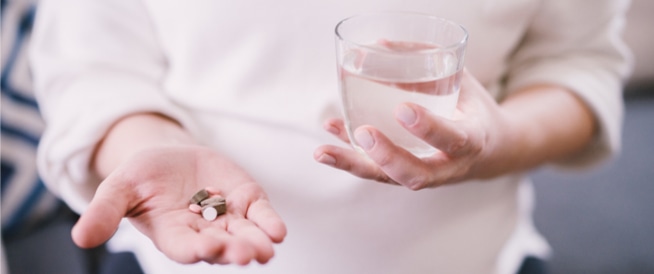
Generally, you use iron all over your body to make red blood cells. During pregnancy, you need iron to prevent anemia. Your baby also needs iron to build healthy blood supply.
Many foods are high in iron like meat, liver, fish, beans, green leafy veggies, whole grains, and nuts.
Your doctor may also prescribe iron supplements if you aren't getting enough iron or if blood tests show you have low iron levels.
-
Calcium:
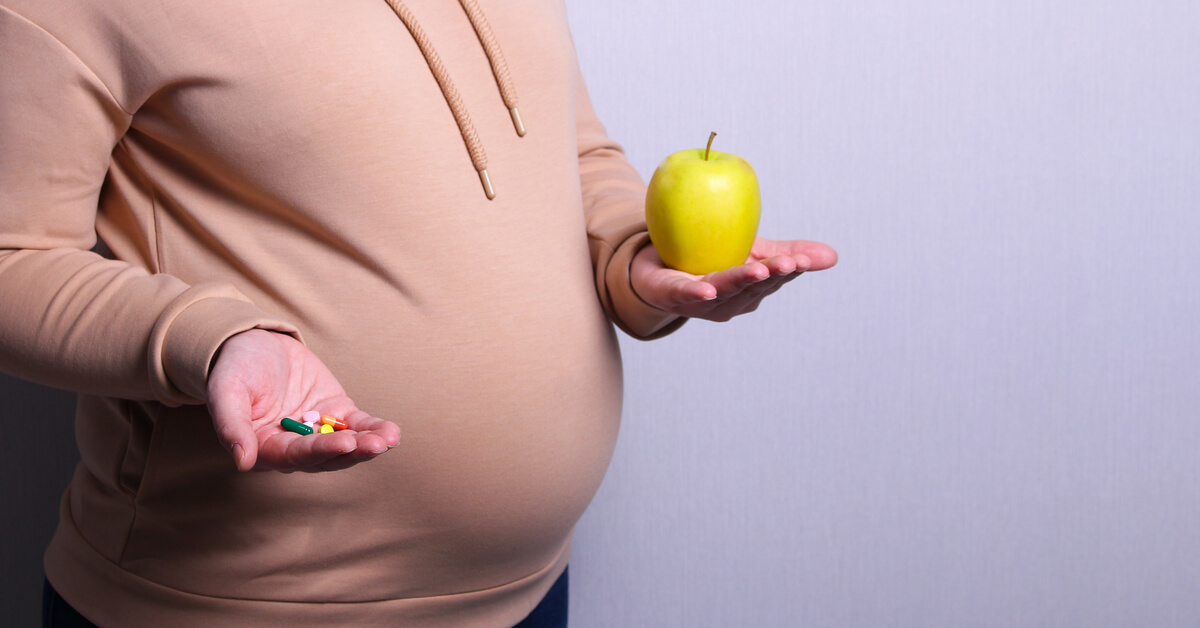
Calcium is important for your child's bone and teeth growth. It's also a key nutrient for the heart and nervous system. You can get calcium from dairy products or calcium-fortified products like orange juice.
If you don't get enough calcium in your daily diet, you might need a supplement.
-
Vitamin D:
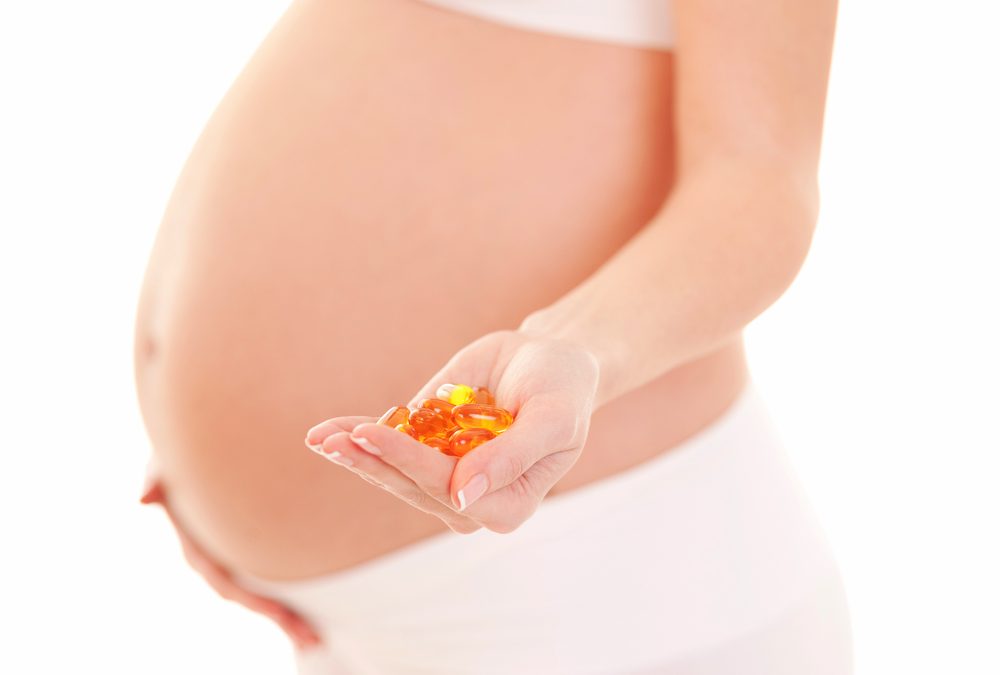
Vitamin D and calcium work together to help your growing child build strong teeth and bones. Vitamin D is also important for skin and eyes. You can get vitamin D by spending time in sunlight or from dairy products like milk.
-
Prenatal vitamins:
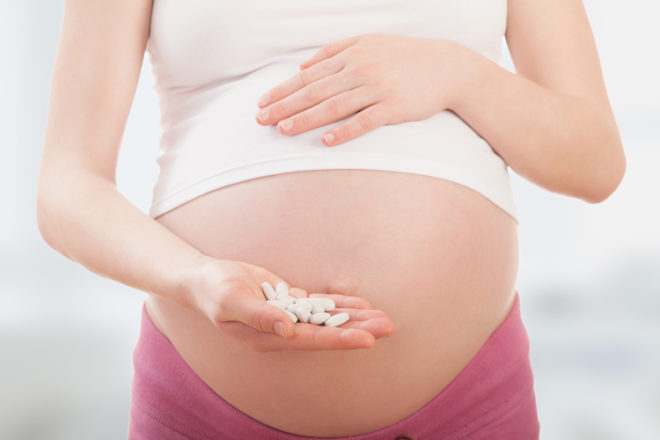
It can be hard to get all the recommended nutrients you need every day from your diet alone, so you might also take prenatal vitamins.
Prenatal vitamins have a mix of calcium, folic acid, vitamin C, and other vitamins and minerals to fill the gaps. But prenatal vitamins aren’t a substitute for healthy eating. They work with the foods you eat to help you and your baby get all the nutrition you need.
-
Sixth:- Fluids
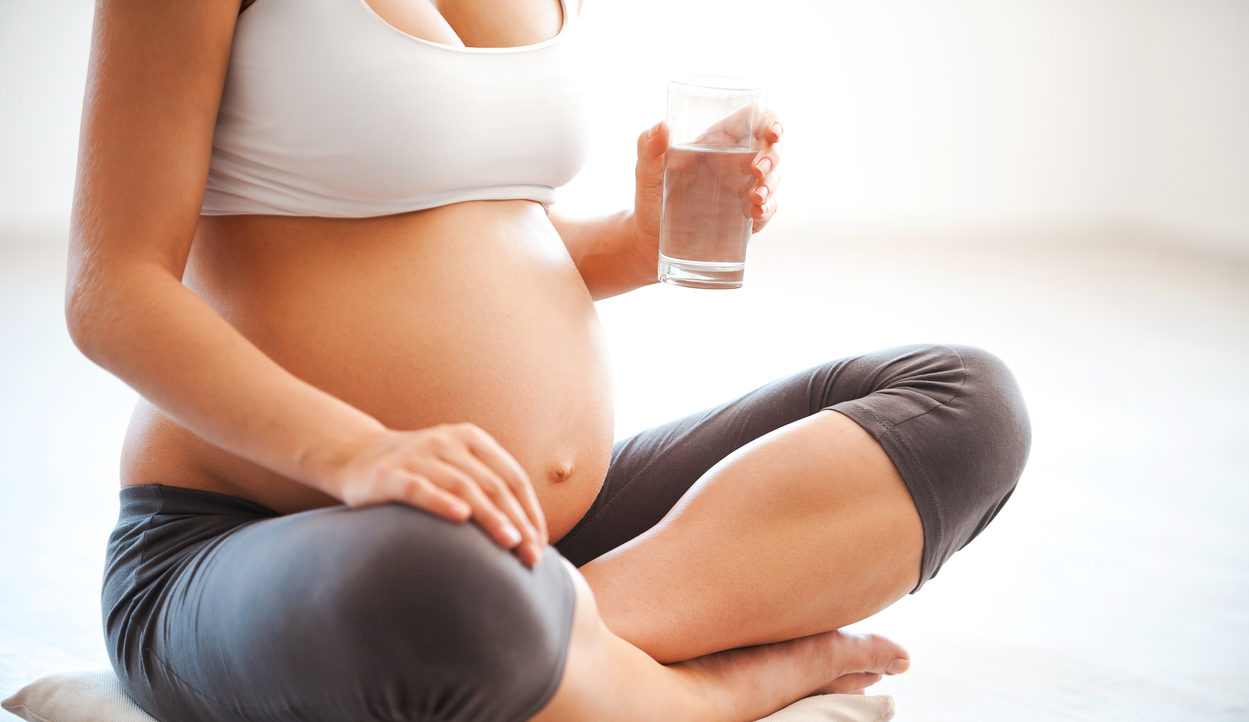
You and your growing baby need water. You should drink 8 to 10 cups of water or other fluids to stay hydrated and healthy. If you exercise or it's very hot, you might need more. You can meet your daily fluid needs by drinking a variety of drinks like:-
-
Water.
-
Milk.
-
Fruit juice.
-
Iced tea.
-
Hot tea.
-
Soup.
You just need to cut down on sugary drinks and the amount of caffeine you have every day.
-
Seventh: Here are some nutrition tips to keep you and your baby safe.
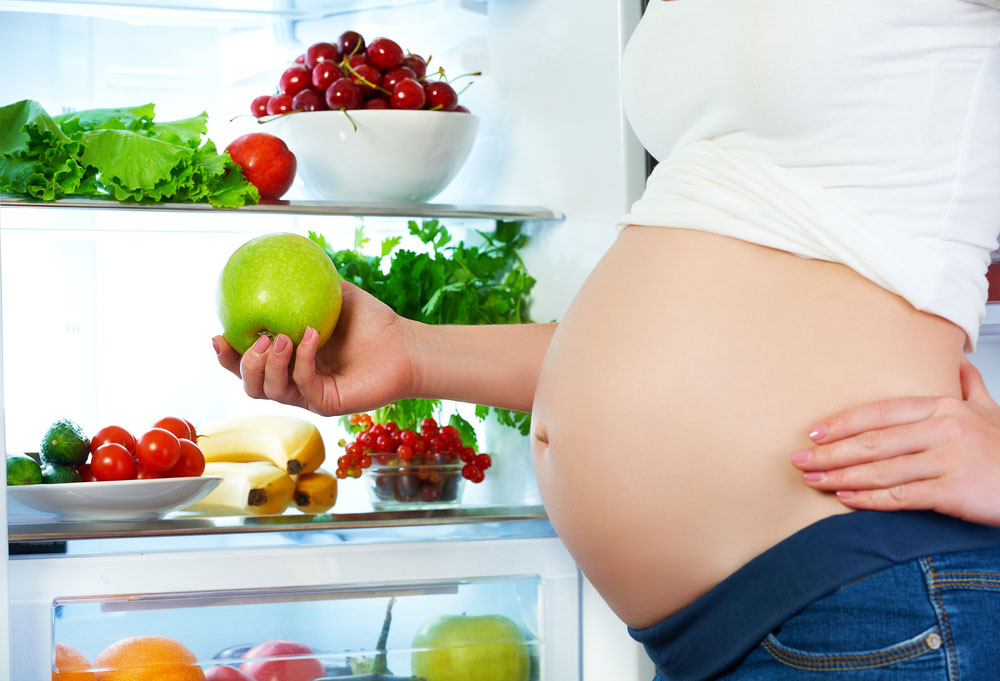
Some women eat well all the time so they might not have any trouble during pregnancy, but others find it tough to switch to a healthy diet and struggle to make the recommended changes. Remember, you don't have to be perfect. If you listen to your doctor’s advice and follow it as best you can, you'll be fine. Here are some nutrition tips to help you stay as healthy as possible during pregnancy:
-
See your doctor early and regularly for prenatal care to monitor your nutrition, weight gain, and overall health during pregnancy.
-
If possible, start taking a daily supplement with 400 micrograms of folic acid during pregnancy, and eat a variety of foods that have folic acid.
-
Eat foods rich in iron during pregnancy. You can also have foods with vitamin C along with iron-rich foods to help your body absorb more iron.
-
Try to get enough calcium, take your prenatal vitamins, plus any other supplements your doctor recommends.
-
Gain the right amount of weight based on your body mass index and your doctor's advice.
-
You should not skip meals. Instead, eat 5 times a day between the three main meals and snacks.
-
Take your time to rest when you feel tired. This will help you fight fatigue and stress.
-
Keep your body hydrated by drinking plenty of fluids, especially water.
-
If you have any health condition like diabetes or high blood pressure, you might need extra advice on your diet, so you should talk to your doctor or a nutritionist.
-
If your doctor says it's okay, try to stay active. Light to moderate exercise is usually fine as long as you don’t have any pregnancy complications.
-
Look to your family and friends for support, or find women online or in person groups to help during pregnancy. Sharing tasty recipes and company with other pregnant women can help you stay on track.
-
Talk to your doctor right away if you have any questions about your health or diet.
Pregnancy can be one of the hardest and also most fun times in your life, so try your best to make it healthy and good so you can welcome your baby in health and happiness.


