


Corn is one of the food items that belongs to the category starchy vegetables, corn is a nutritional element in food worldwide. Although many enjoy eating it, they don't actually realize it's highly nutritious. Depending on how corn is prepared, it can offer the best meal. It's tasty and healthy. In this article, we'll look at the nutritional values and health benefits of corn.
-
Nutritional values in corn :-

Here is the nutritional value in a 100 gm serving of corn :-
| Calories | 87 calories |
| Fat | 1.4 grams |
| Sodium | 14 milligrams |
| Carbohydrates | 19 grams |
| Fiber | 2 grams |
| Sugar | 6.4 grams |
| Protein | 3.2 grams |
-
Carbohydrates:
A 100g serving of yellow sweet corn contains about 19 grams of carbohydrates, fibers make up about 2 grams, and natural sugars about 6.4 grams.
Corn is considered moderate on the scale of the blood sugar index (or glycemic index GI), rated between 56-69.2.
-
Fat :-
Corn is low in fat naturally, as a 100 gram serving has about 1.4 grams of fat. Most of the fat in corn comes from healthy monounsaturated fats for the heart, and polyunsaturated fats.
-
Protein :-
A 100 gram serving of corn contains just over 3 grams of protein, compared to most vegetables corn is rich in protein because technically corn is a type of whole grain and not exactly a vegetable.
-
Vitamins and minerals :-
Corn contains many vitamins and minerals, corn has nutrients like potassium, iron, zinc, magnesium, phosphorus, and selenium. It also provides folate and some vitamins like vitamin C, vitamin E, and vitamin A in the form of beta carotene.
-
Health benefits :-

Corn has many health benefits. Besides being high in vitamins and minerals, its different colors make it rich in various antioxidants and plant compounds that protect against many diseases, Here are some health benefits corn can offer :-
-
Reducing the risk of type 2 diabetes :-
Corn contains beneficial plant compounds called polyphenols, also found in whole grains, fruits, vegetables, and nuts. The purple color of corn comes from a polyphenol called anthocyanin, which has been shown to improve insulin and glucose regulation.
So having a variety of colorful plant foods like purple corn in your diet is a preventive way to stop type 2 diabetes.
-
Helping to prevent colon cancer :-
Corn is a good source For dietary fiber That boost the growth of good bacteria in the gut. These bacteria produce short-chain fatty acids that help protect against colon cancer.
So eating fresh corn and popcorn - making sure the nutrition labels say whole grain corn - ensures your body gets the most dietary fiber.
-
Healthy weight management support :-
The most filling snacks usually have lots of protein and fiber like popcorn. One cup has 31 calories, 1 gram protein, and 1 gram fiber, making it a perfect snack for weight loss.
Since snacks make up about a third of daily food intake for most people, choosing snacks wisely can hugely affect body weight. Plain popcorn without added flavors, sugars, or lots of fat helps with weight loss and keeps weight healthy.
-
Vision protection :-
Corn has lutein and zeaxanthin, compounds of vitamin A good for eye health. These build up in the retina and help protect against age-related macular degeneration.
-
Boosting heart health :-
Corn provides many nutrients that have clear benefits for heart and blood vessel health. The fiber in corn helps lower blood cholesterol levels.
Corn also provides potassium, which plays a big role in keeping blood pressure low. Corn has about 6% of the FDA recommended daily amount of potassium. Potassium is a nutrient that causes general health problems if you don't get enough because the body doesn't consume the recommended amounts of these important nutrients.
Corn also has a good amount of magnesium, about 9-12% of adult needs. Getting enough magnesium in your diet reduces the risk of stroke and heart diseases.
So eating fresh corn, popcorn, or even canned corn without added salt can help protect your heart from long-term damage.
-
Allergy :-

Environmental allergies to corn pollen can cause corn allergy. It's hard to diagnose corn allergy, but usually an elimination diet is used to see if symptoms get better when corn isn't eaten.
Corn allergy is usually triggered by corn protein, so you don't need to avoid protein-free corn products like high fructose corn syrup.
-
Varieties :-

There are four main types of corn: dent corn, flint corn, popcorn, and sweet corn. Dent corn is also called field corn and is used for animal feed and food products.
Flint corn is like dent corn but comes in a variety of colors.
Sweet corn has a lot of starch and sugar and is picked while still soft and unripe. It can be yellow, white, or mixed colors.
-
Storage and food safety :-

It's best to eat sweet corn soon after buying it because the longer you wait, the less tasty it gets. You can store sweet corn in the fridge with or without the husk.
You should use raw corn with the husk removed within one to two days. You can keep cooked corn in the fridge for up to 4-5 days.
You can also freeze or can corn at home using the right methods. Use dry or preserved corn products within the dates on the packaging.
-
How to prepare :-
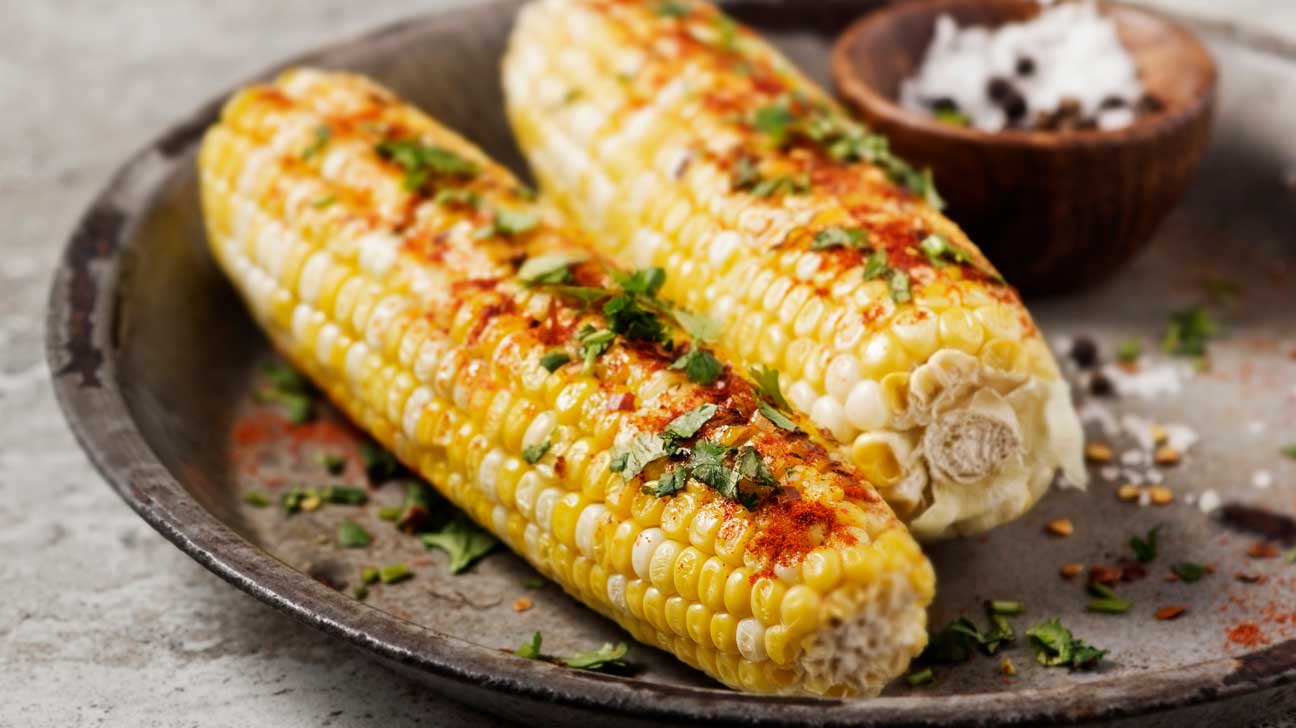
Corn is usually prepared in many ways. Most people cook it, but it’s also fine to eat raw. Just cut the kernels off and add them to salads or other favorite dishes for a sweet crunch.
You can also grill, boil, microwave, or steam corn. You can leave it in the husk while grilling or roasting, then peel off the husk before eating.


