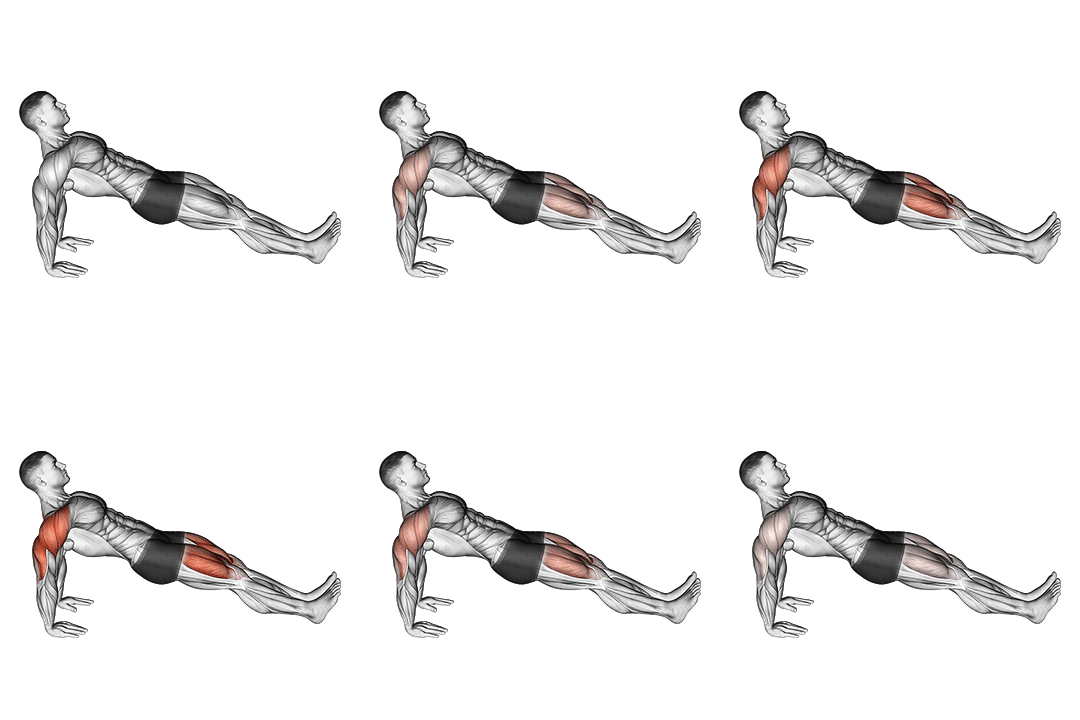
Help Kegel exercises strengthen the pelvic muscles, which are the muscles used to stop urine flow. Strengthening these muscles helps prevent urine leaks, or accidental gas or stool leaks.
Kegel exercises can offer many benefits for both women and men, In this article we'll learn what Kegel exercises are, their benefits for women and men, and how to do them.
What are Kegel exercises?

Kegel exercises are the term for pelvic floor muscle contractions. The pelvic muscles form the core muscles of the body, or what's called the Core. When doing core exercises, the pelvic floor muscles naturally contract too to help support them.
Still, this isn't Kegel exercise, because Kegels involve tightening the pelvic floor muscles separately. Someone might have strong core muscles but weak pelvic floor muscles if they don't do Kegels right or separately.
Pelvic floor muscles hold organs in place and help with functions like peeing, pooping, and sex. So, it's important to strengthen and support these muscles.
Benefits of Kegel exercises

The main goal of Kegels is to strengthen the pelvic floor muscles. These exercises tone the muscles like how weightlifting strengthens other muscles. Kegels keep pelvic muscles strong.
Kegels help you control your bowels and bladder better and stop pelvic muscles from weakening. Weak pelvic floor muscles can cause accidental leaks of urine, stool, or gas.
Pelvic floor muscles can weaken because of aging or certain conditions like pregnancy, childbirth, and surgery.
Kegels also help fix other common issues like:
-
Fecal leakage.
-
Pelvic organ prolapse.
-
Vaginal bulging.
-
Improving sexual health.
Causes of weak pelvic floor muscles

Anything that puts pressure on pelvic floor muscles can weaken them and reduce their support to pelvic organs. Also, some health conditions or life events can make pelvic floor muscles weak.
You can find your pelvic floor muscles by trying to stop urine flow while sitting on the toilet or trying to hold in gas. People do this to feel the muscle. The muscles they feel tightening inside are the same ones Kegel exercises strengthen, the pelvic floor muscles.
Causes of weak pelvic floor muscles can include:-
-
Giving birth, even by C-section.
-
Injury Obesity, or weight gain.
-
Aging and getting older.
-
Having surgery in the pelvic area.
-
Excessive straining during bowel movements, like Constipation Chronic.
-
Chronic cough.
-
Exercise, especially jumping andrunning andweight lifting.
Benefits of Kegel exercises for pregnant women

Kegel exercises can help pregnant women have an easier birth and give better control over pelvic muscles during labor and delivery, Besides many other benefits including:-
-
Bladder control.
-
Strengthening muscles that support the baby's weight.
-
Preventing urinary incontinence or leaks.
-
Pushing during natural birth.
-
Healing vaginal tears after birth.
Benefits of Kegel exercises for men

Men can also benefit from some important advantages of doing Kegel exercises, especially those dealing with certain health and sexual issues, These exercises can help with:
-
Helping improve urine leakage depending on the cause.
-
Helping manage prostate pain, swelling from prostatitis, and benign prostate enlargement.
-
Improving sexual health.
How to do Kegel exercises

Kegel exercises are done by tightening and then relaxing pelvic floor muscles. Usually, you start with a few exercises at a time, then gradually increase how long and how many you do each time. You should do at least 2 to 3 sets of these exercises daily.
Also, when starting Kegel exercises, it's important to keep at it. Don’t expect to hold Kegel for 5 or 10 seconds right away. And don’t expect instant results either.
Here’s a sample schedule for how to start doing Kegel exercises:
-
Locate your pelvic floor muscles using the method described above.
-
Start by squeezing your pelvic floor muscles for three seconds, then relax for another three seconds. That counts as one Kegel.
-
Try to repeat this 10 times. If that feels too hard, cut it down to 5 times until you get stronger. This counts as one set.
-
Do one set in the morning and one set at night.
-
As you get stronger, try to increase these numbers. For example, instead of holding Kegels for three seconds and relaxing three seconds, you can increase those times to 5 seconds.
-
Then increase the number of Kegels to 10 in a row.
-
In the end, increase the number of times you do these exercises from twice to three times a day.
Ideally, you can do 10 Kegel exercises per set, holding and relaxing each for 5 seconds, with three sets daily.
You can do Kegel exercises lying down, sitting, or standing. If pelvic muscles are weak, it might help to start lying down.
Doing Kegel exercises the right way

Don’t do Kegel exercises if you feel pain in your stomach, lower back, or head after doing them. You might be holding your breath or tightening the wrong muscles.
If it’s hard to find your pelvic floor muscles or if you feel pain or discomfort, you might be doing the exercises wrong. It can help to contact a healthcare provider.
If you do Kegels right, you should see symptoms slowly get better over several weeks, like less urine leakage.
You can expect results after about 6-8 weeks. How long it takes depends on how consistent you are and how weak your muscles are.
How to tell if your pelvic muscles are strong

There are some signs that show your pelvic floor is strong, these might include:-
-
Not feeling the urge to pee or poop often.
-
Feeling in control of your bowels and bladder.
-
Being able to do Kegel exercises easily.
-
Having few accidents.