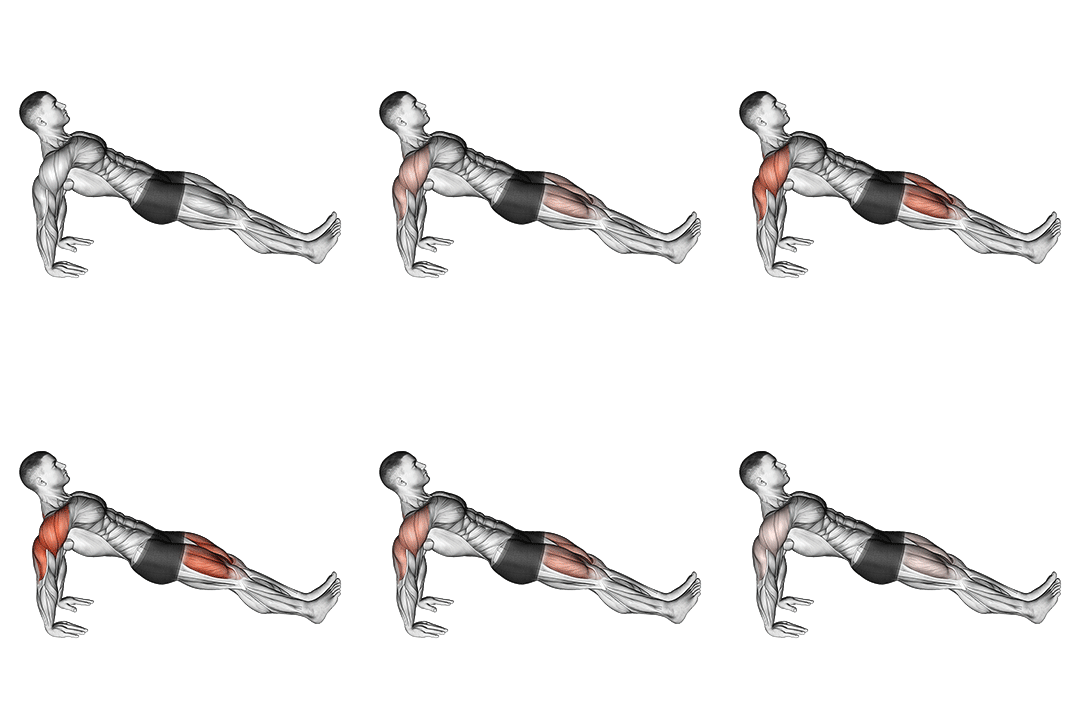
Exercises are considered squats or what is known as different types of squats, one of the most important workouts that target lower body muscles of the body, as well as the core muscles.
In this article, we will learn about one of these squat exercises called sumo squat, also known as SumoSquat, and we'll also cover how to do it, its benefits, and common mistakes.
How to perform the sumo squat exercise
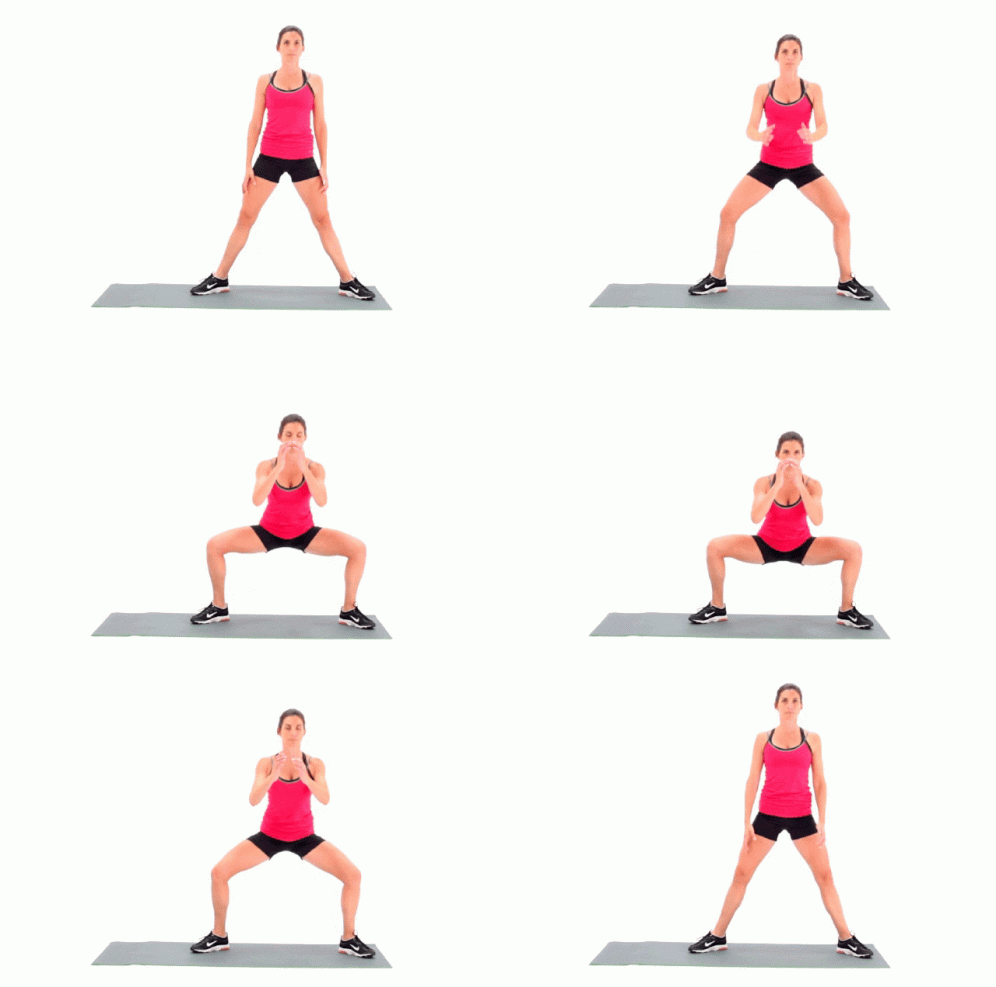
Sumo squat is a type of regular squat exercise, but it's named after sumo wrestling. So the sumo squat looks like a normal squat with some changes. To do the sumo squat, follow these instructions:-
- Needed equipment:- You don't need any equipment, or you can use weights or kettlebells.
-
Stand with your feet wider than shoulder width.
-
Clasp your hands together and put them in front of your chest.
-
Point your toes out about 45 degrees, and rotate your hips out too. This is your starting point.
-
Take a breath in and push your hips back, then lower your body into a normal squat, with your thighs parallel to the floor.
-
Keep your chest tight, your back straight, and your knees forward while doing this move.
-
Hold this squat position for a few seconds.
-
Exhale as you push your heels down, engaging your glutes to lift your body back to the start.
-
Make sure your weight is spread evenly across your heels and the middle of your feet.
-
Do 8 to 12 reps of sumo squats, repeat for three sets.
Muscles targeted by the sumo squat exercise

The sumo squat works the lower body muscles, mainly including muscles like:
- vastus lateralis
- vastus medialis
- rectus femoris
- calf
- Adductors
- Gluteus
This exercise also targets the muscles located in the trunk.
Benefits of the sumo squat exercise

Sumo squats are a great way to build strength in the lower body, as this exercise targets many lower body muscles, as we mentioned above, sumo squats specifically boost activation of the adductor muscles, which run along the inner thighs.
Sumo squats also challenge the core muscles in ways that differ from traditional squats.
Since sumo squats target lower body muscles, they help improve stability and balance. That’s why this exercise is often used in sports training and rehab programs.
Sumo squats strengthen muscles used in daily activities, like walking Running Jumping and climbing stairs, and it’s also a functional movement because it’s used when picking things up from the ground.
Different forms of sumo squat exercise

You can adjust the sumo squat or sumo squat to fit your fitness level and to better reach your goals, Here are some different forms of the sumo squat exercise:-
-
Main squat for beginners
The sumo squat fits people with average fitness or intermediate level. Beginners can benefit from the main squat or regular squat and master it by doing the same steps as the sumo squat, except the feet are shoulder-width apart instead of wider than the shoulders, with toes pointing forward instead of outward like in the sumo squat.
-
Slow down the speed when doing the sumo squat exercise
Once you master the sumo squat, you can do the exercise at half speed. This increases the tension in your muscles, which helps build muscle size.
Another option besides slowing down is to pause for a second or two at the bottom of the squat before pushing up on your heels.
-
Weights in the sumo squat exercise
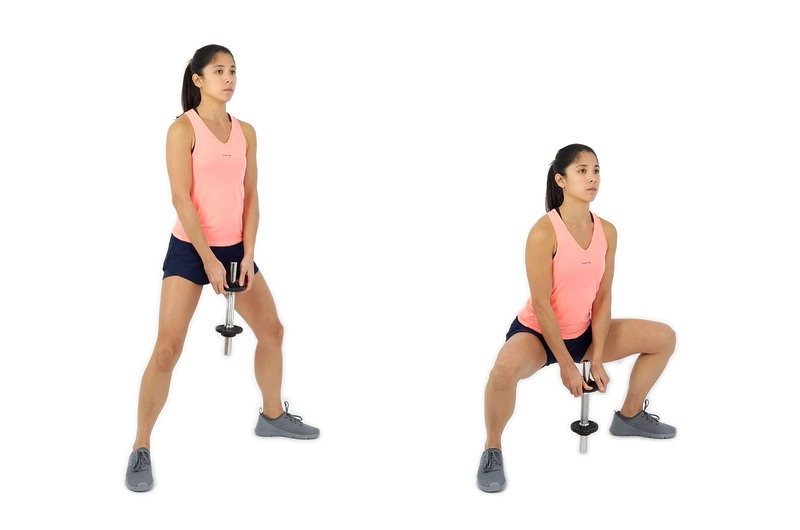
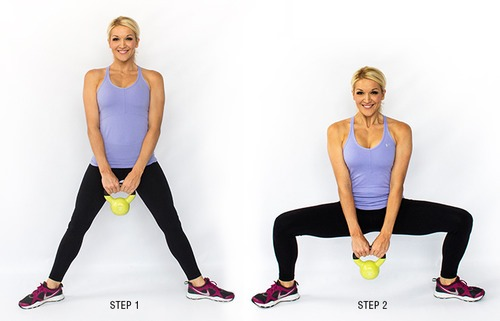
You can up the challenge during sumo squats by adding weights. You can hold a barbell, or add dumbbells or a kettlebell. Just keep the weights centered with your arms relaxed or hold firmly on your shoulders.
-
Switching between regular squats and sumo squats
You can switch between regular and sumo squats in a rotating motion to boost core strength. After going down into a sumo squat, twist your torso to the right, moving your feet to help turn. Then return to center. On the next squat, twist to the left before coming back to center.
Common mistakes when doing the sumo squat
You can avoid some common mistakes during sumo squats to keep the exercise safe and effective. Some of these mistakes are:-
-
Knee bending
A common mistake in sumo squats is knees bending inward. This usually happens because of weak glutes or tight hips. So make sure to stretch your hips before every strength training session and lift only weights you can control.
-
Back arching
If you’re not used to compound exercises like sumo squats, you might have a weak core which causes your back to arch to handle the weight. So focus on the weight you can handle and increase it only when you can keep your spine and back straight during the squat.
-
Leaning forward
Tight hip or calf muscles can cause you to lean forward too much. You’ll need time to fix this. The fix includes stretching your thigh muscles, and strengthening glutes and lower back muscles.
Safety and precautions for doing sumo squats
Sumo squat is generally safe for people with average fitness levels, but if you have any recent injury in your lower body or back, you should check with a doctor before doing it.
To avoid injuries, make sure to do the moves slowly, keep your core tight, knees pointing out, and chest up to prevent your back from arching. Stop immediately if you feel pain.
When using weights in sumo squats, make sure you use weights you can lift well. You can slowly add more weight as you get stronger over time.