

If you don’t know how to deal with emotional eating, it might be hard for you to reach your goal of "losing weight". Emotional eating, also known as "stress eating," can wreck your hard work in trying to control your weight.
If you can learn how to handle hunger from mood swings like stress, anxiety, and sadness that hit you sometimes, you'll be on the right track for short-term weight loss and building a healthier, safer lifestyle. Carefully handling your urge to eat in response to emotions can be one of the most important factors in reaching your goals for weight control and loss.
• What is emotional eating?

Emotional eating is eating too much because of mood swings, not because your stomach is truly hungry. Sometimes your urge to eat certain foods doesn’t match real hunger. You might crave certain foods at times when you’re feeling strong emotions, whether happy or sad.
There are signs that can help you spot emotional eating (stress eating). For example, if you find yourself eating when you’re anxious, sad, or depressed, you’re likely an emotional eater. At those times, you’re more likely to overeat or consume too many calories without thinking.
• Why do you experience emotional eating?

For many people, big changes in life affect their mental state and can lead to emotional eating. You might start eating as a reaction to these changes to ease the stress you’re feeling.
For others, emotional eating has become a lifestyle where a person expresses any issue they face, big or small. Just a tough day at work, or a slight worry about something, can lead to a habit that seems unbreakable. This habit involves turning to food to ease tough times and make the day better.
There are also more serious reasons emotional eating can develop. For example, overeating might be a way to deal with childhood trauma or abuse. In that case, the best step is to contact a behavioral expert or a psychologist to treat the issue.
• What problems does emotional eating cause?

The worst part about emotional eating or stress eating is that it causes more problems instead of fixing them. Using food to handle problems creates more issues like weight gain, feeling guilty for overeating, health decline, and then you start feeling stressed again. This leads to the emotional eating cycle repeating, trapping you in a loop of situations and feelings.
• How to stop emotional eating?
If you tend to resist emotional eating, there are some methods you can use to get control back over your eating habits and get back on track.
-
Identify your emotional eating triggers:-

Start keeping a food diary. Write down everything you eat, when you eat it, and what was happening during your main or snack meals. Then use this info to figure out why you eat when you're not really hungry.
-
Know the real hunger signals:-
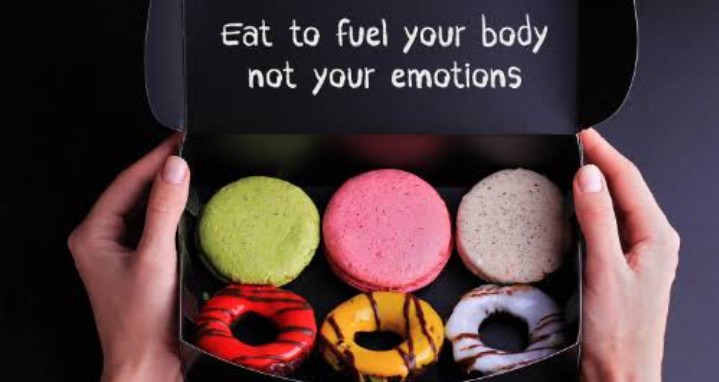
Know the difference between real hunger signs and emotional hunger. Once you recognize these signals, it'll be easier to act when you notice emotional eating cravings.
-
Cut down on trigger foods:-

Rearrange your kitchen and get rid of foods that might tempt you to overeat. Also, organize your fridge for healthy foods, and stock up on ingredients for main meals and healthy, satisfying snacks.
-
Don't skip meals:-

Skipping meals often leads to overeating later. Plan healthy meals so you eat every 4 or 5 hours to avoid real hunger signals as well as emotional ones.
-
Make sure to get support:-

Make sure you have family and friends who can always help you get through tough times and keep a positive mindset, especially during stress and pressure. They can also help you stick to a healthy lifestyle.
-
Ask the experts:-

Don't be afraid to talk about your eating habits with your doctor, a mental health specialist, or experts in general. They might be able to offer treatment and advice to help you find out why you're stressed. They can also give you better food choices and help you reach your health goals.
-
Work hard:-

Good exercise triggers your body to produce hormones called endorphins. These interact with your body and help you feel calm and relaxed. Plus, they'll help you feel proud of yourself.
-
Follow a meditation routine:-

If you're feeling like eating, try some other options besides food. Mindfulness exercises can ease your stress feelings, and they can help you fight the urge to eat whenever you feel stressed.
-
Don't tempt yourself:-

Get rid of the urge to eat unhealthy snacks by keeping them out of your home. Stick to a strict grocery list of healthy foods. Never go to the grocery store when you're hungry or in a bad mood.
-
Look for alternatives to eating:-

If you're having a tough day, find healthy ways to relax. If you find yourself eating when tired, look for natural ways to boost your energy. Or if you want to celebrate success, find ways to reward yourself without food.
In the end, don't give up if you fall into emotional eating habits. it's really hard to stop. When you slip, forgive yourself and start fresh the next day. Learning from your mistakes and focusing on positives will go a long way in keeping your emotional eating in check and losing weight. And don’t forget to check in with a fitness expert whenever you need.


