


Almonds are nuts rich in nutrients that you can easily carry and eat anywhere as a healthy and filling snack. Almonds are low in carbs and can be used in cooking. You can buy almonds salted or unsalted, raw or roasted, or turn them into almond butter or almond milk.
Raw or roasted almonds have no sodium, which is important for people with high blood pressure or those looking to reduce sodium intake for other reasons.
Although almonds are a healthy food full of nutrients, they are also high in calories. Eating too many calories can cause weight gain, which may lead to chronic diseases like type 2 diabetes, heart disease, and vascular problems. So, watch your portions when eating almonds.
-
Nutritional value of almonds:

Here are the calories in a 100-gram serving of almonds:
| Calories | 592 calories |
| fat | 52.4 grams |
| sodium | 493 milligrams |
| carbohydrates | 20.8 grams |
| fiber | 10.8 grams |
| Sugar | 4.6 grams |
| Protein | 20.8 grams |
-
Carbohydrates:
Almonds are a good source of fiber and have a lower glycemic index (GI) than many other nuts. This makes them a great choice for people on low-carb diets.
-
Protein:
Almonds are one of the top plant protein sources. They contain all essential and non-essential amino acids. So they’re a key option for getting protein from plants, especially for vegetarians.
-
Micronutrients:
A serving of almonds (28 grams) has 37% of the daily recommended amount of vitamin E, which has antioxidant properties and supports immune functions.
It has 8% of the daily recommended amount of calcium, which plays an important role in keeping teeth and bones strong.
It contains 6% of the daily recommended amount of iron, which helps produce hormones and deliver oxygen to muscles.
-
Health benefits of almonds:

Many studies say eating 28 nuts daily as part of a low saturated fat and cholesterol diet helps lower heart disease risk because of their high healthy fats, mainly monounsaturated and polyunsaturated fats. Almonds also have fiber, antioxidants, and vitamin E which help fight chronic diseases.
Almonds also have some plant nutrients like phytosterols that are good for the heart and provide antioxidant benefits. So eating almonds might help lower cholesterol levels in the blood.
Almonds are also rich in manganese and magnesium. Manganese is important in metabolizing carbs, amino acids, and cholesterol. Magnesium helps with metabolism, energy production, protein creation, and structural functions like bone building. Studies show eating more magnesium links to a lower risk of diabetes.
-
Almond milk :-

Almonds can be turned into almond milk, which is a good option for those on plant-based diets or those who are allergic to animal milk, so almond milk is a good choice.
Although almonds naturally have high calories, almond milk has fewer calories compared to cow's milk. Also, almond milk has less calcium and protein, so it needs to be supplemented with these important nutrients.
You should make sure to get unsweetened almond milk to avoid added sugar.
-
Recipes and preparation methods :-
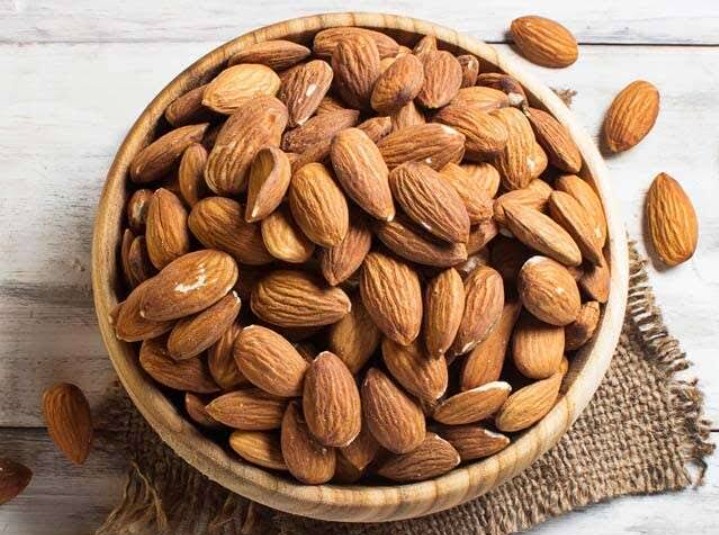
Peeled and split almonds are foods you can easily prepare and eat anywhere as a healthy, filling snack rich in nutrients.
Almonds can also add crunch and flavor to salads, yogurt, and oats, making these foods more tasty and satisfying.
So you should find different ways to include almonds in your diet. You can also spread almond butter on apples or celery, or use unsweetened almond milk in shakes, sauces, and for making pancakes and baked goods.
Cooking with almonds is a great way to boost the nutrition of meals while cutting down carbs.
When you eat almonds, try to stick to one serving of about 24 almonds or ¼ cup. If you're eating almonds with other foods like fruit or yogurt, aim for a 100 calorie portion, about 12 almonds.
-
Allergy :-

People with almond allergies usually have primary and secondary food allergies. Primary allergy happens from direct contact with almonds and can cause life-threatening breathing troubles.
Secondary allergy starts when people allergic to pollen react to almonds over time because the proteins in both are similar, called pollen food syndrome.
Often, people allergic to almonds are also allergic to other nuts.


