
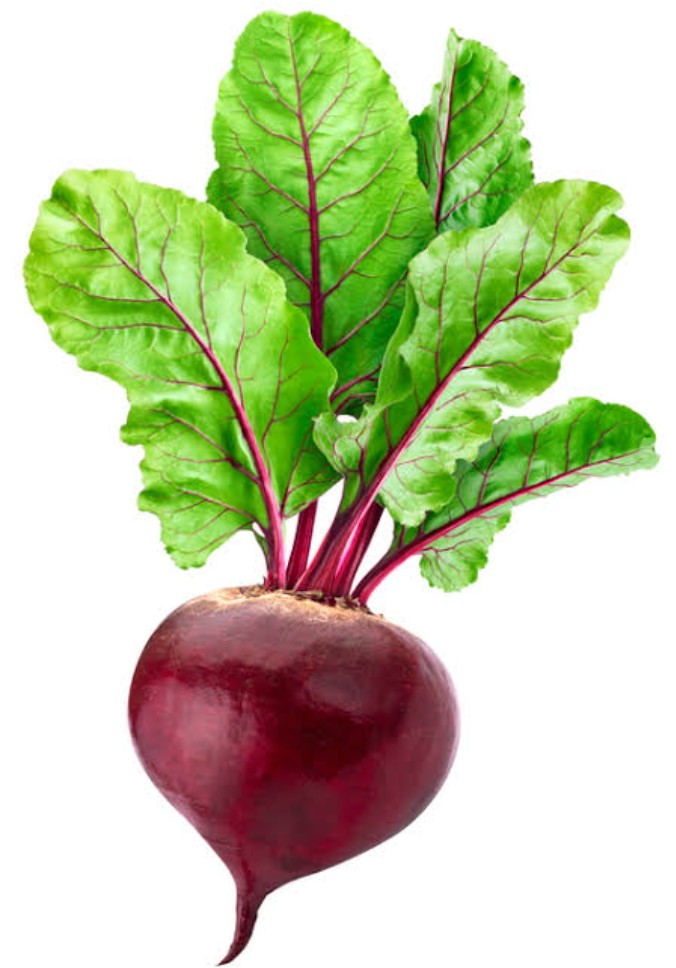
Beetroot is one of the foods rich in many different nutrients for the body. It's packed with lots of vitamins and minerals.
Beet greens are non-starchy veggies, with low carbs, while beet roots are starchy vegetables, beet roots have a high amount of carbs and fiber.
-
Nutritional value in a 100g serving of beetroot:-
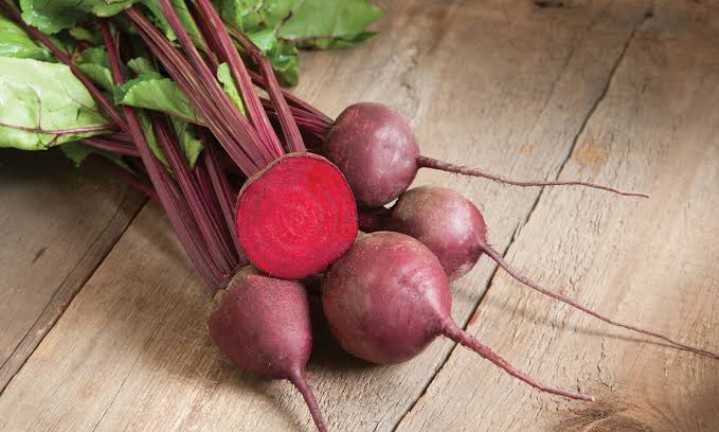
Here's the nutritional value in a 100g serving of beetroot:-
| Calories | 43 calories |
| Carbohydrates | 9.56 grams |
| Protein | 1.61 grams |
| Fat | 0.17 grams |
| Sodium | 78 mg |
| Potassium | 325 mg |
1- Carbohydrates :-
A serving of raw beetroot has the same amount of calories andcarbohydrates as a similar serving of fruit, since the carbs in beetroot come from natural sugar. A 100 g serving has 9.5 grams of carbs and 2.8 grams of dietary fiber.
Fiber helps regulate blood sugar, makes you feel full, and can help lower blood cholesterol.
2- Fat :-
None Fat Almost none in beetroot serving, as 100 grams has 0.17 grams of fat, and this small amount is mostly healthy unsaturated fats.
But watch out because the way you prepare beetroot might add fats. For example, roasting it with olive oil adds extra fat.
3- Protein :-
Beetroot is not considered a high ProteinYou can get a small boost of these important major nutrients when you eat a 100 gram serving of beetroot, which has 1.61 grams of protein.
4- Vitamins and minerals :-
Beetroot is a good source of many vitamins and minerals Like folic acid, manganese, and potassium, folic acid is important for DNA production and preventing neural tube defects during pregnancy.
While manganese is part of antioxidant enzymes and helps break down glucose and proteins, potassium may help lower blood pressure.
5- Calories :-
A 100 gram serving provides 43 of manganese Calories, 83% of it is carbs, 13% protein, and 4% fat.
-
Health benefits of beetroot :-
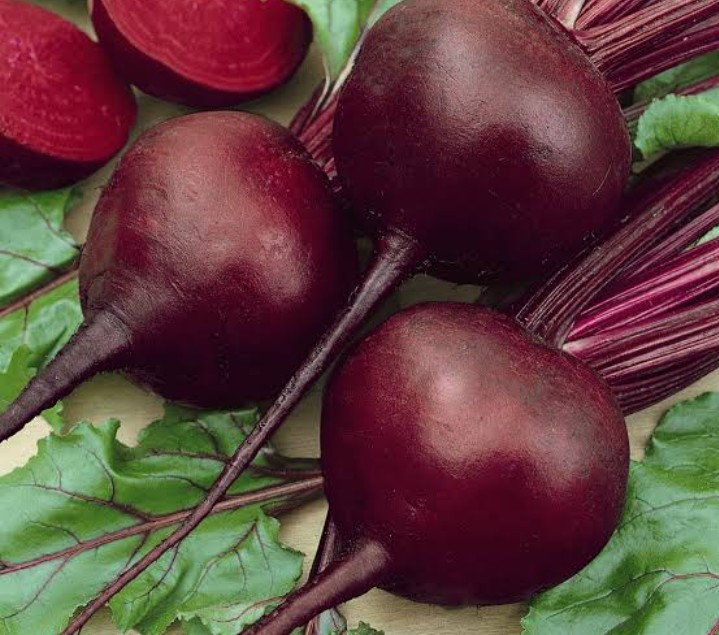
Beet leaves have the same nutrients as other dark leafy greens like chard and spinach. They are very low in carbs and packed with vitamins and minerals. But beet roots also have many important health benefits. Let's learn about them below.
-
Fighting inflammation :-
Beets have plant nutrients called betalains, which give beets their purple-red color and provide antioxidants. These compounds help reduce inflammation and fight cell damage in the body.
-
Improving endurance :-
Some research found that people who drank beet juice before exercise could work out longer. It showed better cardio endurance because nitrates in beets turn into nitric acid. This might lower oxygen use in low-intensity workouts and boost endurance in high-intensity ones.
-
Lowering blood pressure:
It has also been proven that beet juice helps in lowering blood pressure in people with high blood pressure. Again, it seems that the nitrates in beetroot are responsible for this helpful effect.
-
Improving cognitive functions:
Some studies on older adults concluded that a diet rich in nitrates may help improve blood flow to the brain, enhancing cognitive health and functions.
Other studies on people with type 2 diabetes Reaction time increased (one sign of brain performance) in people who drank beet juice.
-
Sensitivity :-
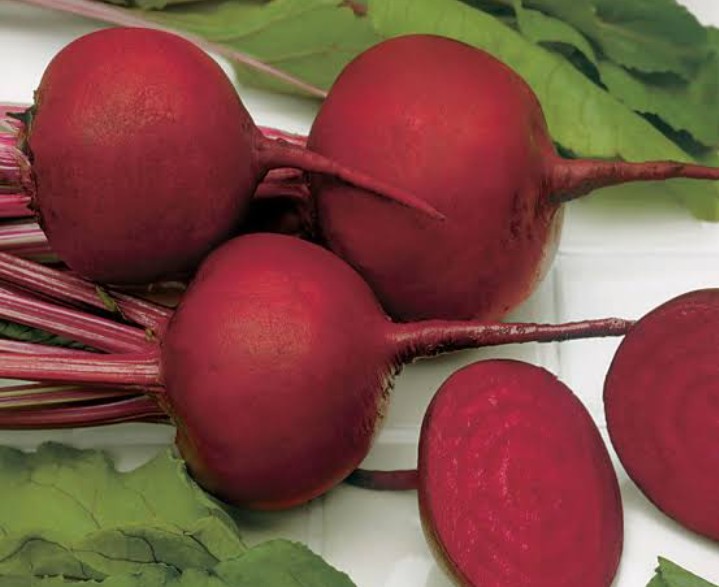
Beet is probably safe when eaten in amounts usually found in food, allergic reactions to beet are very rare.
The red dye in beet can leak into your gut after eating it. If you feel fine and see red color in your urine or stool after eating beet, no need to worry. But if you feel sick or the color doesn’t go away, see a doctor right away. Change in stool color can signal an internal problem.
-
Varieties :-

Beet is usually red to dark purple, but there are other kinds like golden beet and white beet. Some people like golden beet better because it tastes sweeter than red beet.
The antioxidants in differently colored beets may vary slightly, but all beet types have the same nutrition and health benefits.
-
Storage and food safety :-

For beetroot, it's best to store the leaves and roots separately. Avoid washing fresh beetroot unless you're ready to use it.
Store beetroot in the fridge in a tightly sealed plastic bag. The leaves will last several days, while the roots will keep for two to three weeks.
-
Preparation method :-

Beetroot is a versatile food. You can include it in your meals in many ways. You can grate raw beetroot in salads or juices. You can also roast it, fry it, steam it, boil it, or grill it to complete your meal.


