

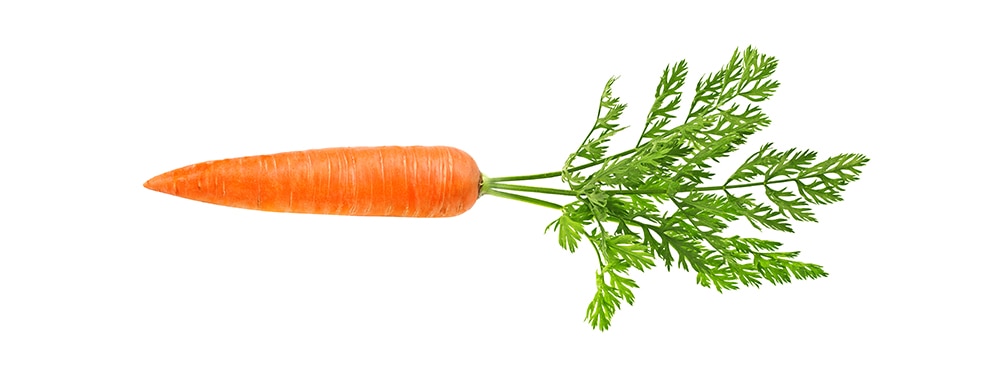
Carrots are one of the starchy vegetables the root vegetables often called ideal healthy foods. Carrots are crunchy, tasty, very nutritious. The root is a good source of dietary fiber, vitamin K1, potassium, and antioxidants. It's particularly a good source of beta carotene. It also has many health benefits and is an ideal food for weight loss. It has also been linked to lowering cholesterol levels and improving eye health.
Orange carrots get their bright color from beta carotene, an antioxidant the body converts into vitamin A. In this article, we will learn about the nutritional value of carrots and their health benefits.
-
Nutritional value of carrots:
The water content in carrots ranges between 86-95%. The edible part of carrots has about 10% carbohydrates. Carrots have very little fat and protein.
Here is the nutritional value in a 100 gram serving of carrots, or about two medium raw carrots:
| Calories | 41 calories |
| Water | 88 % |
| Protein | 0.9 gm |
| Carbohydrates | 9.6 gm |
| Sugar | 4.7 g |
| Fiber | 2.8 g |
| Fat | 0.2 g |
-
Carbs :-
Carrots are basically made of water and carbsCarbs are made of starch and sugars like sucrose and glucose.
Carrots usually rank low on the glycemic index (GI), which measures how fast foods raise blood sugar after eating. Eating low GI foods is linked to many health benefits and is especially good for diabetics.
-
Fiber :-
Carrots have fiber soluble fiber. Pectin is the main type of soluble fiber in carrots. Soluble fiber can lower blood sugar by slowing down sugar and starch digestion.
It can also feed good bacteria in the gut, which improves health and lowers disease risk. Also, some soluble fiber can reduce cholesterol absorption from digestion, which lowers blood cholesterol.
Carrots also contain insoluble fiber. Cellulose and lignin are the main insoluble fibers in carrots.
Insoluble fiber may lower the risk of constipation and can help boost regular bowel movements.
-
Vitamins and minerals :-
Carrots are a good source of many vitamins and minerals, especially biotin, potassium, and vitamins A, K1, B6
- First vitamin A : Carrots are rich in beta carotene that your body can turn into vitamin A. These nutrients help improve good vision and are important for growth, development, and immune functions.
- Second vitamin B Vitamin B plays a big role in metabolizing fats and proteins.
- Third, vitamin K1 Vitamin K1 is important for blood clotting and can also improve bone health.
- Fourth, potassium Potassium is a key mineral for the body and helps control blood pressure.
-
Other plant compounds:
Carrots offer several plant compounds, the most important being carotenoids. They are strong antioxidants linked to better immune function and lower risk of many diseases like heart disease and some cancers.
Beta carotene, the main carotenoid in carrots, can turn into vitamin A in the body. This conversion can vary by person, so eating fats with carrots helps you absorb more beta carotene.
-
Health benefits of carrots:

A lot of research on carrots focuses on carotenoids, which are plant compounds with many health benefits in carrots. Let's look at these health benefits:
-
Reducing the risk of cancer:
Diets rich in carotenoids may help protect against several cancers like colon and stomach cancer. Also, women with high carotenoid levels may have a lower risk of breast cancer.
-
Lowers blood cholesterol:
High blood cholesterol is a major risk factor for heart disease. Eating carrots has been linked to lower blood cholesterol levels.
-
Helps with weight loss:
Carrots are low in calories. They can increase fullness and reduce calorie intake in later meals. Because of this, carrots might be a good addition to an effective diet. For weight loss.
-
Improving eye health :-
People with low vitamin A levels are more likely to get night blindness. This can be helped by eating foods rich in vitamin A or carotenoids, with carrots being one of the most important.
Carotenoids might also lower the risk of age-related macular degeneration.
-
Allergy :-

Carrots are safe to eat but might cause some side effects in certain people.
Also, eating a lot of carotene can turn your skin a bit yellow or orange but this isn’t harmful.
Some studies say carrots can cause allergy reactions linked to pollen in up to 25 % of people with food allergies.
-
Types :-

There are many types of carrots that vary slightly in color, shape, size, and taste.
Carrots come in many colors like yellow, orange, red, white, purple, and black. Even though the colors differ by type, their nutritional values stay the same.
-
Storage and food safety :-

You should remove the green tops from carrots to keep them fresh longer. Even though the green tops are edible, taking them off helps reduce moisture loss.
The green tops only last a few days in the fridge, but you can store carrots in perforated plastic bags for several weeks.
-
Preparation methods :-
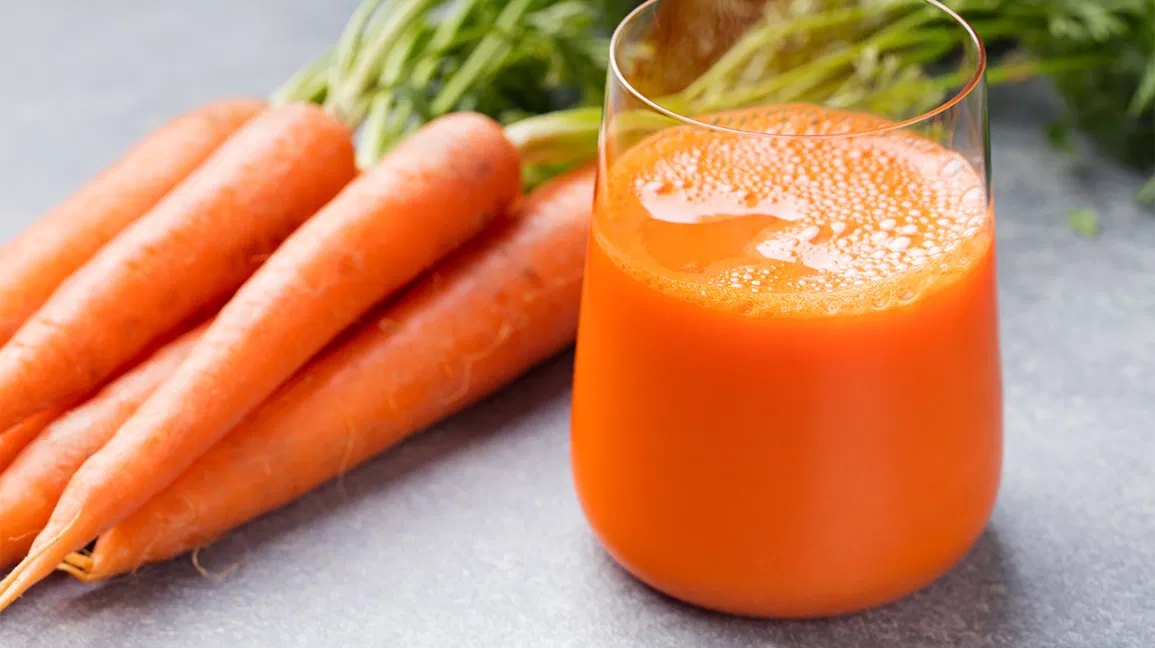
Carrots can be part of your diet in lots of ways. You can eat them raw or cooked with different dishes. Cooked carrots are common in soups and stews, and fresh grated carrots can be added to salads or soups.
Roasting carrots can help bring out their natural sweetness. You can also make carrot juice or slice carrots and season them as a side dish.


