


Cashew is one of the most important and popular nuts. It originally comes from Brazil but is grown in many countries like India and Nigeria.
You can eat cashews as a snack on their own. They are often used in nut mixes and can be made into cashew butter or cashew milk. So, cashews can be a healthy addition to your diet if eaten in moderation.
-
Nutritional value of cashews :-

Here’s the nutritional value for a 100 gram serving of cashews :-
| Calories | 567 calories |
| Fat | 46 grams |
| Sodium | 630 milligrams |
| Carbohydrates | 32 grams |
| Sugar | 5 grams |
| Fiber | 3.2 grams |
| Protein | 15 grams |
-
Carbohydrates :-
One serving of cashews (28g), about 18 nuts, has around 157 calories and about 8.6 grams of carbs.
Most carbs in cashews are starch, a little fiber about (0.9 grams), and the rest about (1.7 grams) sugar.
The estimated glycemic load (blood sugar impact) for one ounce of cashews (28g) is (3). Foods with glycemic index 5 or less are low on blood sugar.
-
Fat :-
One serving of cashews (28 grams) has about 12 grams of fat, most of the calories in cashews come from fat.
The fats in cashews split into healthy fats like monounsaturated fats about (6.8 grams), and polyunsaturated fats about (2.2 grams). There are also some unhealthy fats like saturated fats about (2.2 grams).
-
Protein :-
One serving of cashews (28 grams) contains about 5.2 grams of protein. Cashews provide slightly less protein than peanuts.
-
Vitamins and minerals :-
A serving of cashews (28 grams) gives about 12% of your daily vitamin K needs, and also supplies some thiamine and vitamin B6.
Cashews are an important source of many minerals like magnesium, phosphorus, copper, manganese, zinc, and iron.
-
Health benefits :-

Eating nuts is generally linked to, and Cashews especially have many health benefits like:
-
They help control weight:

A light snack of nuts in general or cashews might help with weight loss efforts. The healthy fats, protein, and fiber in nuts can make you feel full after meals or snacks. But since nuts are calorie-dense, they should be eaten in moderation.
Some studies found that eating nuts daily (around a small handful), over the long term, can be part of a healthy diet to prevent obesity and type 2 diabetes.
-
They might help lower cholesterol:
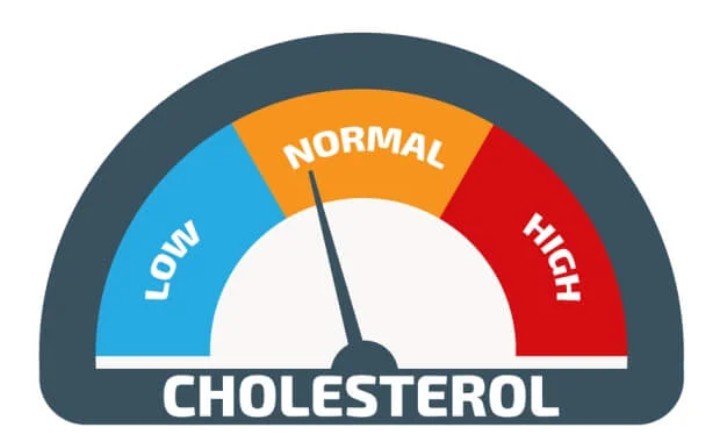
Cashews may lower bad cholesterol (LDL) in some adults. Studies showed adults with slightly high cholesterol who ate about 28 to 64 grams of cashews daily saw a 24% drop in their average LDL cholesterol.
-
They may reduce the risk of gallstones:
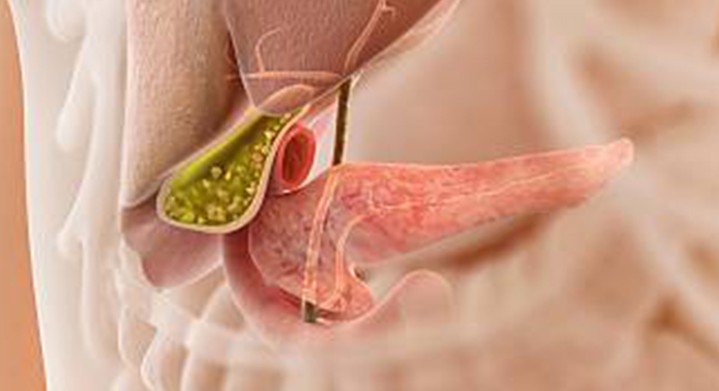
There's some evidence that eating nuts can lower the chance of gallstones for both men and women. Research shows that because nuts are rich in bioactive components, especially unsaturated amino acids, fiber, and minerals, their protective effect on gallstone patients is biologically plausible.
Also, many studies report that eating nuts is linked to a notable drop in gallstone rates.
-
It might help manage or prevent diabetes:

One study found that eating walnuts might reduce the risk of type 2 diabetes in women. They saw that women who ate nuts had a noticeable lower chance of developing type 2 diabetes.
Other studies found that people with type 2 diabetes get health benefits from eating nuts. Research showed eating cashews is linked to better insulin control, cholesterol levels, higher good HDL cholesterol, and lower systolic blood pressure.
-
It might help improve heart health:

Cashews, like all nuts, are high-fat foods but they offer both mono- and polyunsaturated fats, which are the healthy fats. These fats help heart health and lower cholesterol when eaten in moderation.
Research also shows plant-based diets based on nuts and seeds for healthy fats and protein instead of meat can boost heart health. Studies found walnut intake strongly linked to lower heart and vascular disease risk, especially in type 2 diabetes patients.
-
Allergy :-
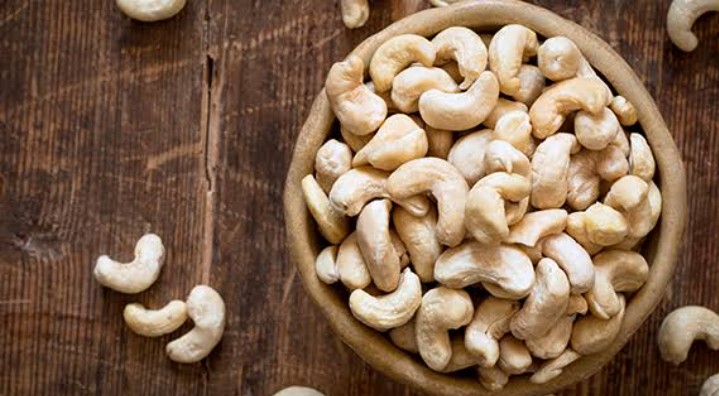
If you have a nut allergy you should avoid cashews. Even though being allergic to one type of tree nut doesn't always mean you'll be allergic to others, you need to watch out for any allergic symptoms when eating cashews. If you notice any symptoms, see a doctor right away.
-
Negative effects :-

People who harvest or process cashews must be careful because the inside of the cashew shell has a caustic liquid.
Cashews are safe to eat but some people notice they get bloated the day after eating nuts. This is usually because the nuts are very salty, causing a temporary water weight gain due to more sodium intake. That’s why bloating happens.
-
Varieties :-

There aren’t different types of cashews, but there are different grades based on color, shape, and size that get sold as whole nuts.
Cashews often come in canned nut mixes in snack aisles and in nut blends. They might be roasted in oil or heavily seasoned with salt or sugar, so check the nutrition labels carefully.
-
Cashew butter :-
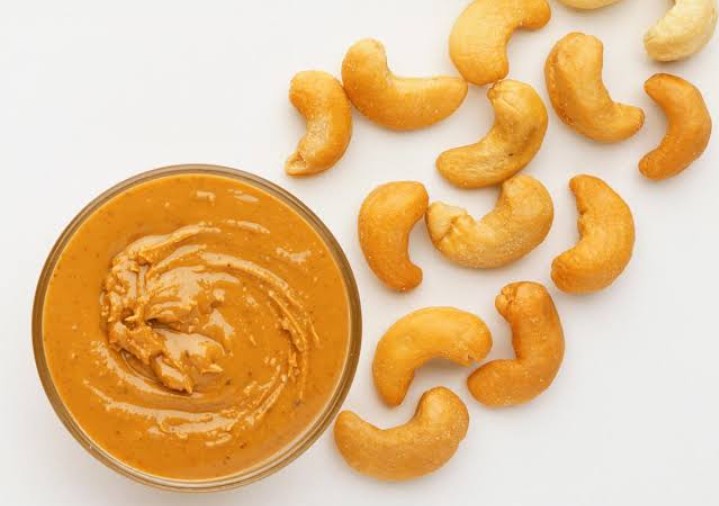
Cashew butter is made from roasted cashews mixed together, and some people enjoy it. So if you're choosing a nut butter for more protein, pick peanut butter. But some prefer the mild taste of cashew butter.
In the end, the nutrition in nut butters depends on what ingredients are added during processing. So you should look for nut butters that only have nuts. Some also add oil, try to avoid those. Also avoid nut butters with added sugar or extra sodium.
-
Cashew milk :-

Cashew milk is also available and might be an option for those avoiding lactose in dairy. But watch out because many nut milks, including cashew, can have added sugars. They also might not provide as many nutrients like calcium compared to dairy milk.
-
Storage and food safety :-
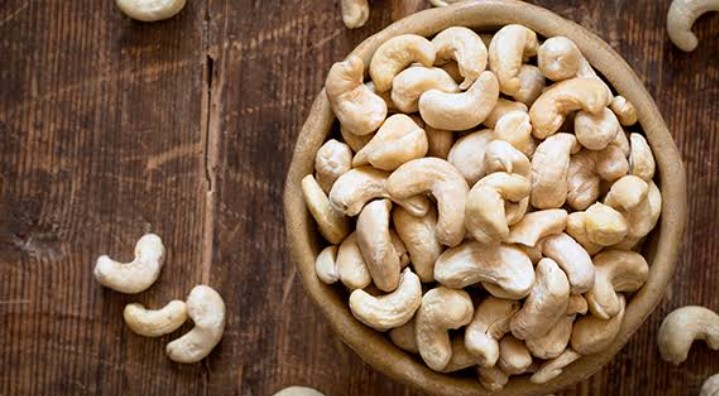
The best way to store nuts is in a tightly sealed container. At room temperature they can last about 3 months. In the fridge they last up to 6 months. And if you freeze them, they can last about a year.
-
How to prepare :-
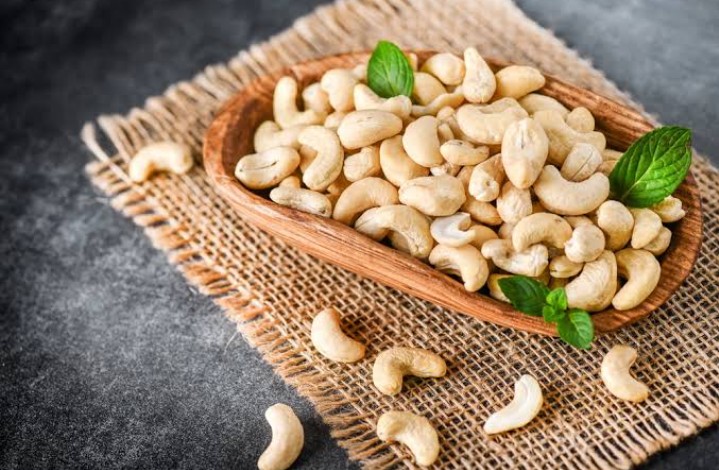
Cashews can be eaten raw or roasted. Many people say they have a creamy texture that goes well with salty foods.
You can sprinkle roasted or raw nuts like cashews on salads for a protein boost, or add them on top of ice cream, or mix them into oatmeal for breakfast.


