

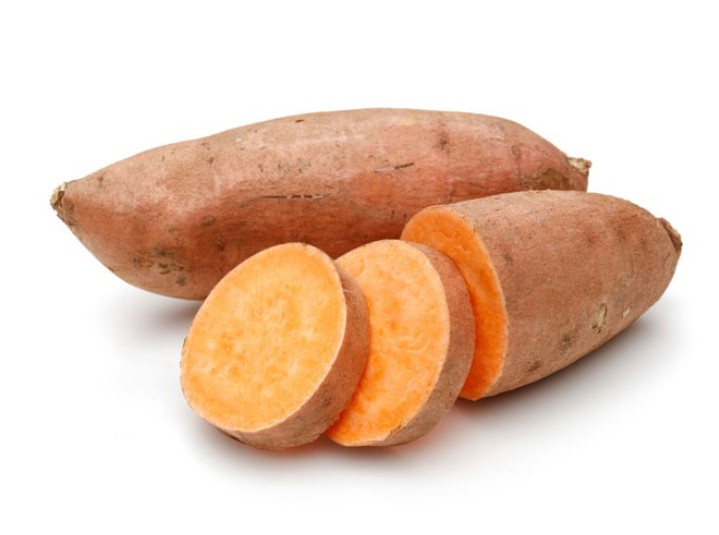
Sweet potato is one of the popular and widely spread foods. It belongs to the starchy vegetablesThe main thing that makes sweet potatoes special is, as the name suggests, they taste sweet. If you're worried that sweet potatoes might be too sweet for your low-sugar diet, don't worry. Sweet potatoes are nutritious and also low in blood sugar impact.
So sweet potatoes are foods that you can easily enjoy in many tasty dishes. But keep in mind how you prepare sweet potatoes and the ingredients you use can affect how healthy they are. Here's the info and nutrition values for this popular starchy vegetable.
-
Nutrition values in sweet potatoes :-

Here are the nutrition values in a 100 gram serving of sweet potatoes :-
| Calories | 109 calories |
| Water | 76.5 gm |
| Protein | 1.31 gm |
| Fat | 4.28 gm |
| Carbohydrates | 16.82 g |
| Fiber | 2.4 g |
| Sugar | 5.45 g |
-
Carbohydrates :-
A large sweet potato has 37 grams of Carbohydrates, with about 5 grams of natural sugar, and about 4 grams of fiber.
Varies Blood sugar index or glycemic index (GI) Sweet potatoes have different GI values depending on how they’re cooked. Boiled sweet potatoes have a low GI of 41, but roasted ones can go up to 93.2.
-
Fat :-
Sweet potatoes are one of the foods almost completely free of fat, but of course there are fats that can be added during cooking.
-
Protein :-
One large sweet potato provides about 3.6 grams of protein.
-
Vitamins and minerals :-
Sweet potatoes are foods rich in many vitamins and minerals, especially high in vitamin A and potassium, and they also provide some calcium, iron, magnesium, and folic acid.
-
Calories :-
A large potato (about 180 g) provides 162 calories, with carbs making up 90%, protein 9%, and fats 1% of the calories in sweet potatoes.
-
Health benefits of sweet potatoes :-
Since sweet potatoes have many colorful nutrients that boost health, they offer some important health benefits. Here are some of them :-
-
Helping to prevent cancer :-
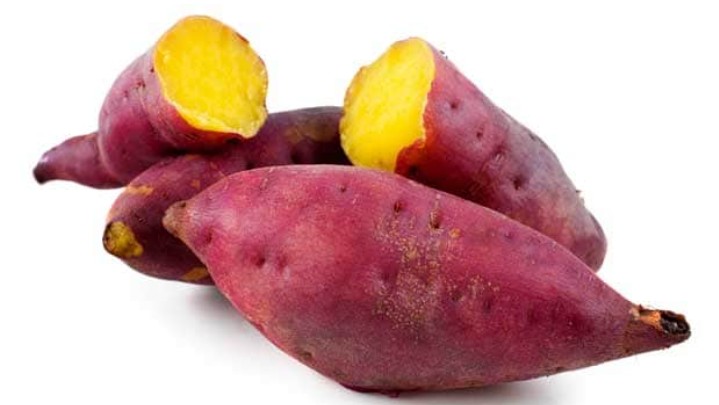
Sweet potatoes are rich in antioxidants linked to cancer prevention and even treatment. Purple sweet potatoes especially contain lots of organic compounds (anthocyanins) that seem to boost programmed cell death in cancer cells.
-
Improving eye function :-
Sweet potatoes have lots of organic substances (beta carotene) proven important for eye health. One cup gives 11.3 mg of beta carotene.
Substances with 15 mg beta carotene protect against age-related macular degeneration, especially with vitamin C, zinc, and copper, which are naturally in sweet potatoes too.
-
Supporting heart and blood vessel health :-
Organic substances (anthocyanins) in sweet potatoes link to anti-inflammatory effects that lower heart disease risk.
Fibers in sweet potatoes also lower blood cholesterol, while high potassium helps keep blood pressure down.
-
Helping manage diabetes:-
The American Diabetes Association calls sweet potatoes low glycemic foods that fit well in a healthy eating plan for management Diabetes.
Sweet potatoes are a great way to balance eating foods with a high glycemic index like pineapple or pasta. Swapping regular potatoes for sweet potatoes will boost the nutrients in your meal like potassium, vitamin A, vitamin C, and fiber.
-
Allergies :-

Sweet potatoes aren't common allergens but it's possible to develop a food allergy at any age to any food naturally.
Food allergy symptoms can range from rash, vomiting, swelling to severe reactions that may be life-threatening. If you suspect an allergy to sweet potatoes, see your doctor for a proper diagnosis and assessment.
-
Varieties :-

There are two main kinds of sweet potatoes: one with dry flesh and one with moist flesh. The dry kind has lighter skin and flesh, and the flesh has a high starch content.
The moist kind has darker skin and deeper colored flesh. The moist sweet potatoes taste sweeter and are more common in stores.
Besides these two types, there are many unique kinds of sweet potatoes that vary by country of origin, shape, color, size, and taste.
-
Storage and food safety:
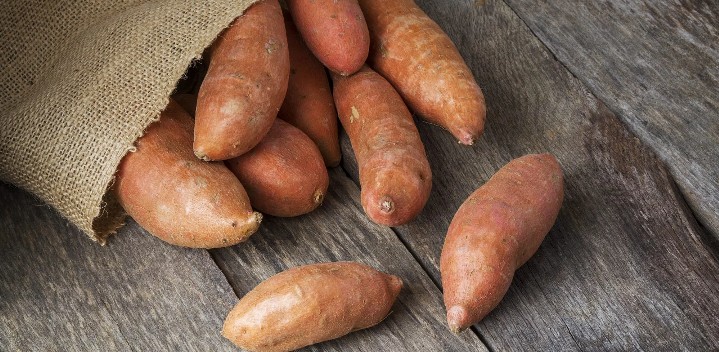
You can keep sweet potatoes in the fridge, but you can also keep them in a cool, dry, dark place. The ideal temperature for fresh sweet potatoes is about 13 degrees Celsius. They can be kept for about a month or a bit more, but if stored in warmer temperatures, use them within a week to avoid spoilage.
When sweet potatoes are ready to use, scrub the skin with a vegetable brush under water, then dry with a paper towel. After cutting or cooking, store them in an airtight container in the fridge and use within 5 days.
-
How to prepare:
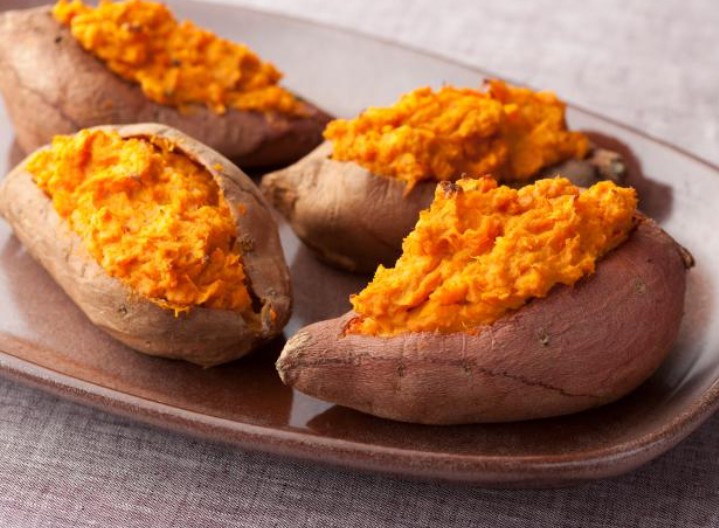
There are many ways to prepare sweet potatoes, like boiling, baking, roasting, grilling, mashing, or frying. They can be a side dish or mixed with salads, cakes, pies, and bread. You can make them spicy with hot pepper powder or a bit sweet with cinnamon and nutmeg.
To save time, you can easily bake sweet potatoes in the microwave. The skin won't be crispy but the sweet potato will still taste good. You can also make baked sweet potato fries by cooking them at high heat with some herbs and spices.


