

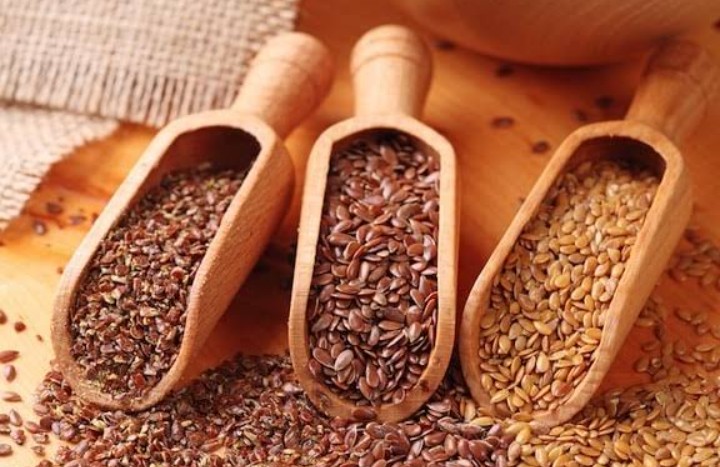
Flax seeds are one of the top food additions you can include in your diet. Both brown and golden flax seeds are high in fiber which helps heart health, and fatty acids. You can eat them whole or use them to make flaxseed oil, flour, or other food products like salad dressings.
These seeds are also known for being healthy, with their fame going back to Hippocrates.
-
Nutritional value of flax seeds:-

Here is the nutritional value in 100 grams of flax seeds:-
| Calories | 550 calories |
| Fat | 43 grams |
| Sodium | 31 milligrams |
| Carbohydrates | 30 grams |
| Fiber | 28 grams |
| Sugar | 1.6 grams |
| Protein | 19 grams |
-
Carbs :-
A tablespoon of flaxseeds has about 3 grams of carbs. Most of those carbs are fiber. Fiber is known to help boost digestive health and also helps manage cholesterol levels. Plus, it helps you feel full and satisfied.
Some carbs in flaxseeds come from sugar but that amount is very small. The glycemic load of flaxseed sugar is zero.
-
Fat :-
A tablespoon of whole flaxseeds contains just over 4 grams of fat. The fat in flaxseeds is mostly polyunsaturated fat, which is considered good fat and helps improve heart health.
Flax seeds contain the two main types of fatty acids. One tablespoon of flax seeds has about 230 mg of omega-3 fatty acids and about 606 mg of omega-6 fatty acids, making these seeds a good plant source of these fatty acids.
-
Protein :-
One tablespoon of flax seeds has about 2 grams of protein, which is about 4% of the daily protein target. Adding flax seeds to your salad or smoothie can help increase your protein intake.
-
Vitamins and minerals :-
Flax seeds provide important micronutrients, but because the serving size is small, the nutritional support you get from them might be limited.
For example, on a 2000 calorie daily diet, one tablespoon of flax seeds provides 11% of the recommended daily intake of thiamine, which is a water-soluble B vitamin, and 2% of vitamin B6.
One tablespoon of flax seeds gives about 13% manganese, 10% magnesium, 7% phosphorus, 6% copper, and 4% selenium.
-
Health benefits of flax seeds :-

Flax seeds and flaxseed oil help or even treat many diseases. Many people think flaxseed products can help lower the risk of some diseases, and science supports this a bit. But flaxseed isn't a cure-all.
-
Skin problem treatment :-

There is some limited scientific evidence that flaxseed can be used to treat acne, psoriasis, and eczema.
-
Heart health improvement :-

Research shows flax seeds might help the heart in at least two ways:
-
They help lower blood pressure.
-
They slow down the build-up of artery hardening.
-
They protect against some types of cancer :-

Studies showed that flax seeds might lower the risk of breast cancer and death from breast cancer.
-
Helps control blood sugar levels :-

Some evidence says adding flax seeds to your diet helps control prediabetes and type 2 diabetes.
-
Relieves constipation :-

Research shows flax seeds might help treat constipation because they’re high in fiber which can improve digestion and elimination.
-
Allergy :-

Flax seed allergy is rare but it exists. Some allergic reactions reported include sneezing, vomiting, diarrhea, stomach pain, itching, watery eyes, and other allergy symptoms. So if you get any of these after eating flax seeds, see a doctor right away.
-
Negative effects :-

Despite the many benefits of flax seeds, there are some negative effects. Unripe flax seeds might contain some compounds that could be toxic.
Eating flax seeds is likely safe for most adults in small amounts, but it might not be safe during pregnancy or breastfeeding.
People with bleeding disorders, diabetes, high or low blood pressure, high triglycerides, or hormone-sensitive cancers should consult a doctor before adding flax seeds to their diet. Also, children should not be given flax seeds without medical supervision.
-
Types :-

Flax seeds come in several forms. You can find brown or golden flax seeds in stores. Nutritionally, they are the same, but golden seeds taste milder.
You can also find whole flax seeds, ground flax, flaxseed meal, flaxseed oil, or flax seed supplements as pills or capsules.
Flax seeds are a key ingredient in many packaged snacks like cookies or potato chips.
-
Storage and food safety :-

You should store flax seeds in an airtight container in a dark, cool pantry. When stored properly, flax seeds can last up to 12 months.
You can store flax seeds whole or ground. Also, store flaxseed oil in a cool, dark cupboard away from heat sources like the oven and stove. If the seeds or oil turn rancid, throw them away immediately.
-
How to prepare :-

Some people prefer grinding flax seeds to make it easier to add them to drinks and recipes. It's easy to mix flax seeds with a cup of yogurt for a crunchy texture and added nutrition.
It's also easy to add them to juice or mix into fruit pieces.


