


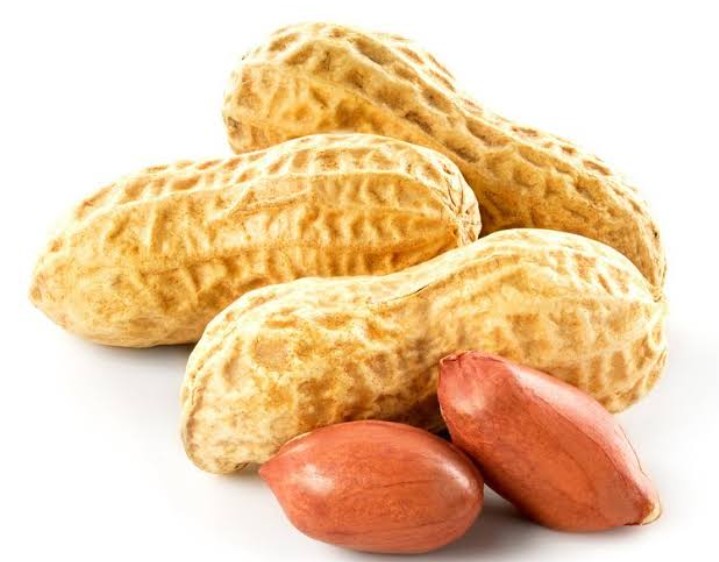
There are many popular nuts but the most famous is peanuts. Even though peanuts aren’t really nuts since nuts grow on trees while peanuts grow inside pods underground, so peanuts are more related to legumes.
Peanut is a nutritious snack, but you should eat it in moderation to get its many benefits.
-
Nutritional value of peanuts:

Here's the nutritional value for a 100g serving of peanuts:
| Calories | 590 calories |
| Carbohydrates | 21 grams |
| Protein | 24 grams |
| Fiber | 8 grams |
| Sugar | 5 grams |
| Sodium | 410 milligrams |
| fat | 50 gm |
-
carbohydrates :-
A 28 gram serving of peanuts has less than 5 grams of carbs. This lowers blood sugar or glycemic index (GI) to 14.2, much less than a similar serving of white bread, which can reach 75, or a bowl of corn flakes that can go up to 81.
Of the carbs in peanuts, about 2 grams come from dietary fiber, and a bit over 1 gram from natural sugars.
-
fat :-
A 28 gram serving of peanuts has about 14 grams of fat. While that's a lot per serving, 80% of peanut fat is heart-healthy fats. These include monounsaturated and polyunsaturated fats.
Raw dry roasted peanuts are better than oil roasted or sugar coated ones because those coatings can double the bad saturated and trans fats.
-
Protein :-
Each 28 gram serving of peanuts has 7 grams of protein, making it a light and nutritious snack.
Peanuts have all 20 amino acids, with high levels of arginine.
-
Vitamins and minerals :-
Peanuts are rich in nutrients and can help you meet daily vitamin and mineral needs. One 28 gram serving provides 25% niacin, 20% vitamin E, 21% copper, and 26% manganese.
Peanuts have some folic acid, magnesium, zinc, iron, and selenium, but unlike many other nuts, peanuts don't provide vitamins A or C.
-
Health benefits of peanuts :-

Besides its high nutrition, peanuts have important nutrients that boost metabolism and help prevent some chronic diseases.
-
Helps control blood sugar :-

It turns out peanuts are great for blood sugar control. The natural fats in peanuts help lower the blood sugar impact of other foods eaten at the same time. Peanuts also help manage fasting blood sugar and post-meal sugar levels.
-
Helps with weight loss :-

Peanuts help with weight loss in many ways. The fiber and protein in peanuts make you feel full and satisfied.
Even though peanuts have a lot of fat, some of their fats resist digestion and are not fully absorbed. Eating peanuts may also boost energy use at rest, which increases overall calorie burn. So adding peanuts to a weight loss plan can make reaching your goals easier.
-
Reduces risk of heart disease :-
Many studies show antioxidants, especially resveratrol in peanuts, help reduce heart and blood vessel inflammation, relax blood vessels, improve circulation, and lower blood pressure.
The fiber and healthy fats in peanuts are also good for heart health. You should choose unsalted peanuts to avoid added sodium if you are watching your blood pressure.
-
Reduces risk of gallstones :-
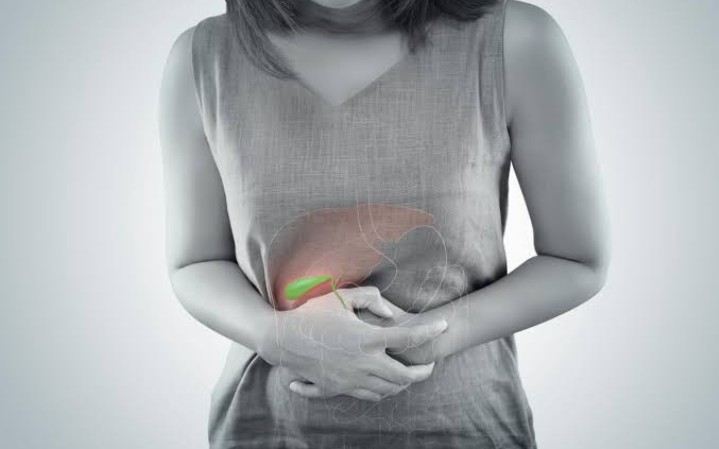
Peanuts have beneficial effects on blood cholesterol levels, which can affect gallstone growth. (Gallstones are hard lumps formed from fluids inside the gallbladder and are made of many insoluble cholesterols).
Eating peanuts or peanut butter five times a week is linked to a 25% lower risk of gallbladder disease.
-
Reduces risk of Alzheimer's disease :-

Peanuts have high amounts of vitamin E and niacin. Studies show that getting niacin from food lowers cognitive decline in adults over 65 years old.
Getting large amounts of vitamin E from foods like peanuts can reduce Alzheimer’s risk by up to 70%. Peanuts provide a strong mix of nutrients for brain health.
-
Allergies :-
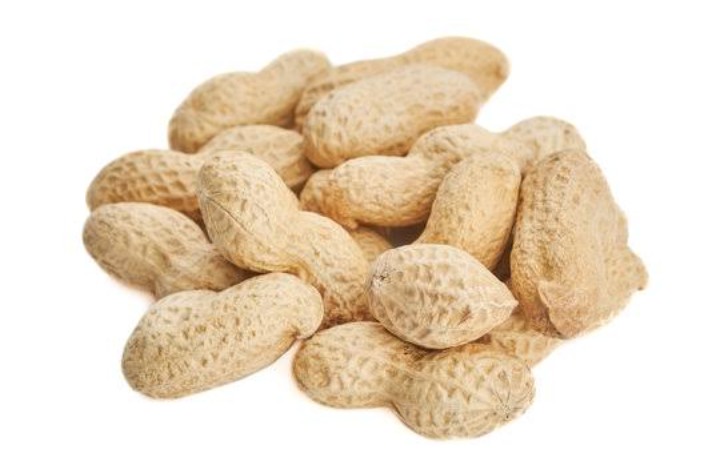
Peanut allergy is one of the most common and serious food allergies, affecting about 2 to 5% of children worldwide.
Overall, peanut allergy keeps rising, especially among kids who haven't been exposed to peanuts before. That's why the US FDA tells food makers to clearly list peanuts along with other common allergens.
Peanut allergy can range from mild to life-threatening in rare cases, causing a full-body reaction known as anaphylaxis.
Even though many parents fear peanut allergy for their kids, the American Academy of Allergy, Asthma & Immunology recommends introducing peanuts into a child's diet early, around 4 to 6 months, to expose them and avoid developing the allergy.
-
Negative effects of peanuts :-
Resveratrol in peanuts can prevent blood clotting if taken in high amounts. This can increase side effects of blood thinners like Coumadin and Warfarin, causing nosebleeds, bruises, stomach pain, blood in urine, and heavy menstrual bleeding.
-
Different types of peanuts :-

There are many kinds of peanuts used in lots of products. You can find peanuts sold in different forms like shelled or unshelled, roasted in oil, coated with sugar or salt.
There's also peanut butter, which can be salty or unsalted, chunky or creamy.
-
Storing peanuts and food safety :-

You can store unpeeled peanuts in a cool, dry place for 1 to 2 months. But you can extend their shelf life to 4 to 6 months if you keep them in the fridge.
Same goes for peanut butter. You can keep opened peanut butter for 2 to 3 months in a cupboard, and up to 9 months in the fridge.
If you buy canned peanuts try to consume them before the expiration date. Peanuts can go bad even in closed containers. So once you open it, store the peanuts in the fridge to keep their flavor and freshness.
You can tell peanuts are bad if they smell weird, moldy, or sour like milk. If peanuts look dull, black, or have any mold, throw them away right away. If you're unsure, take a bite. Bad peanuts taste bitter or sour.
Moldy peanuts are a special problem because they can produce a toxin called aflatoxin. Eating this can harm your liver function, cause jaundice and tiredness. It's even linked to liver cancer.
-
How to prepare :-

You can eat peanuts as a snack, and some people like peeled peanuts steamed in salted water.
You can also roast peanuts in the oven to boost their flavor. A handful of peanuts goes well with fruit slices like apple.
Peanuts are often used in cooking. You can add them to fries, curry, veggie wraps, and also as a topping for ice cream and yogurt.
Peanuts are especially good for people lacking protein or trying to gain weight. You can add chopped peanuts to desserts, sandwiches, and salads.


