


When it comes to nuts, there are many types you can buy and enjoy like walnuts, almonds, peanuts, pistachios, chestnuts, and more.
But in this article, we'll focus exactly on ( pistachios ), and we'll learn about its nutritional value, health benefits, and how to include it in meals.
Pistachios are nuts full of nutrients you can enjoy as a healthy snack or as part of a tasty and balanced meal. You can get pistachios with the shell on or shelled, roasted and salted, or raw.
All nuts, including pistachios, have high fat content. If you're wondering if this makes them unhealthy, don't worry. The fats in nuts like pistachios are healthy fats that support overall health. They help lower blood sugar levels.
-
Nutritional value of pistachios :-

Here is the nutritional value in 100g of unsalted, shelled pistachios:
| Calories | 560 calories |
| Fiber | 10.6 grams |
| Protein | 20 grams |
| Fat | 45 grams |
| Carbohydrates | 24.2 grams |
| Sugar | 9 grams |
| Sodium | 7.1 grams |
-
Carbohydrates :-
A half-cup serving of pistachios has about 18 grams of carbs and 6 grams of fiber. Like other nuts, pistachios have a low glycemic index.
Studies show the healthy fats and fiber in pistachios help lower blood sugar after eating other high-carb foods like white rice, potatoes, and bread.
-
Fats:
Until recently, all nuts including pistachios were thought to be bad due to their high fat content. But nutrition science now shows the type of fat matters more than the amount.
Half a cup of pistachios has 30 grams of fat. This breaks down to about 4 grams saturated fat, 9 grams polyunsaturated fat, and 16 grams monounsaturated fat. Compared to other nuts, pistachios have one of the lowest fat amounts.
Besides the good fats, pistachios have many other compounds recognized by the FDA as part of a healthy diet, especially for heart health.
Scientific evidence shows eating about 40 grams of nuts daily, including pistachios, as part of a diet low in saturated fat and cholesterol may lower risk of heart disease.
-
Protein:
Half a cup of pistachios has 13 grams of protein, making it a protein food. So pistachios are a great protein choice for anyone, especially for vegetarians.
-
Vitamins and minerals :-
Pistachios have lots of vitamins, minerals, plant nutrients, and antioxidants.
Pistachios are a good source of vitamin B6, phosphorus, and thiamine, and an excellent source of copper.
Half a cup of pistachios contains potassium (625 mg), and pistachios also have the highest phytosterol content (51 grams per ounce among all nuts).
-
Health benefits :-
-
Improves heart health :-

Eating nuts is linked to lowering the risk of heart and blood vessel diseases. Studies show eating fats with pistachios reduces blood pressure and blood vessel resistance under acute stress.
The high phytosterol content in pistachios makes them a healthy heart snack. Phytosterols come from plants but because their structure is similar to cholesterol, they compete with it and reduce its absorption.
-
Supports healthy weight management:

Nuts generally have polyphenols, which are linked to less obesity. Plus, eating a snack of pistachios takes longer than ready-to-eat foods like chips or other processed snacks. You have to open each shell before eating, giving your body time to feel full and satisfied before overeating.
-
Helps manage gestational diabetes:

A study on pregnant women diagnosed with gestational diabetes showed they ate one serving of pistachios or one serving of whole wheat bread after fasting overnight.
Women who ate pistachios had much lower blood sugar than those who ate whole wheat bread. This showed a helpful effect and might be a good alternative to low-fat, high-carb foods for pregnant women with gestational diabetes or glucose intolerance.
-
Reduces cancer risks:
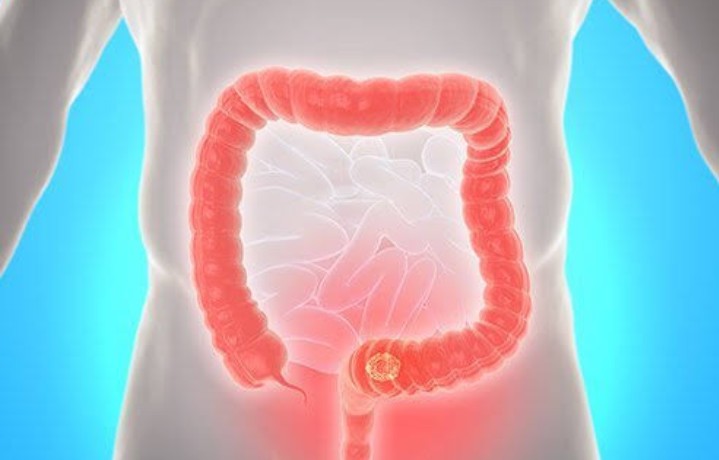
Pistachios have been studied for possibly preventing colon cancer. A study with over 800 colon cancer patients followed for several years found diets higher in nut consumption were linked to a noticeable drop in recurrence and death rates for stage three colon cancer patients.
-
Protects eye health:

Pistachios get their green color from compounds (lutein, zeaxanthin), which research links to helping prevent age-related macular degeneration in the eye.
The antioxidants in pistachios also protect the eyes from damage and help keep vision sharp as years go by.
-
May boost muscle recovery:

Compared to other nuts, pistachios have high levels of essential amino acids and branched-chain amino acids, which are believed to improve muscle recovery after exercise.
-
Allergy:
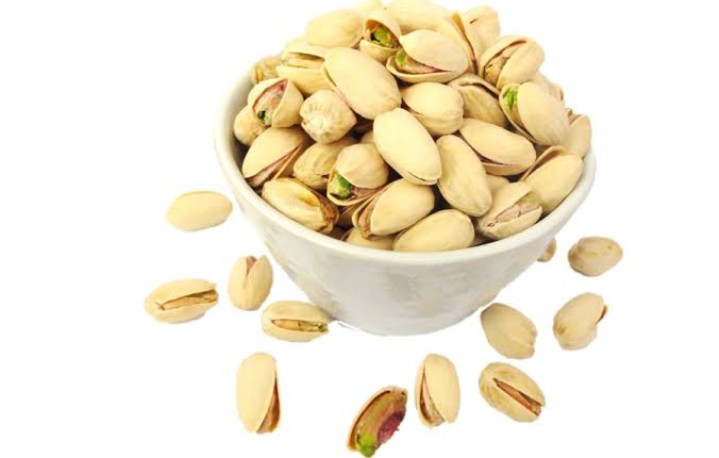
Nut allergies, including allergies to different types like walnuts, almonds, hazelnuts, and pistachios, are the most common allergies among kids and adults.
If you're allergic to one type of nut, you're likely allergic to all of them.
-
Different forms of pistachios :-

There are many forms of pistachios, you can buy them with or without the shell. They are usually roasted or flavored, so salt might be added. You should check the sodium content on product labels.
For the best nutrition get raw unsalted pistachios. Some roasted nuts are still healthy but high heat can break down some key vitamins.
-
Food safety and storage :-
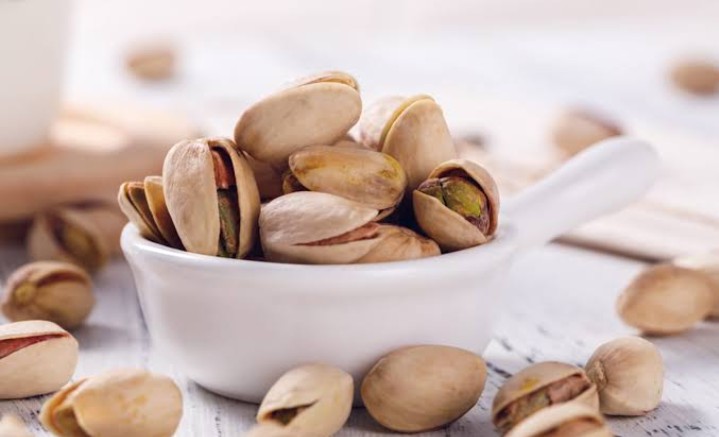
Pistachios, shelled or not, should be stored in an airtight container. You can keep them in the fridge for a year or freeze them for two years.
Storing nuts at room temperature makes them spoil faster due to their high fat content. You can only keep pistachios at room temp for a few months.
-
Preparation methods :-
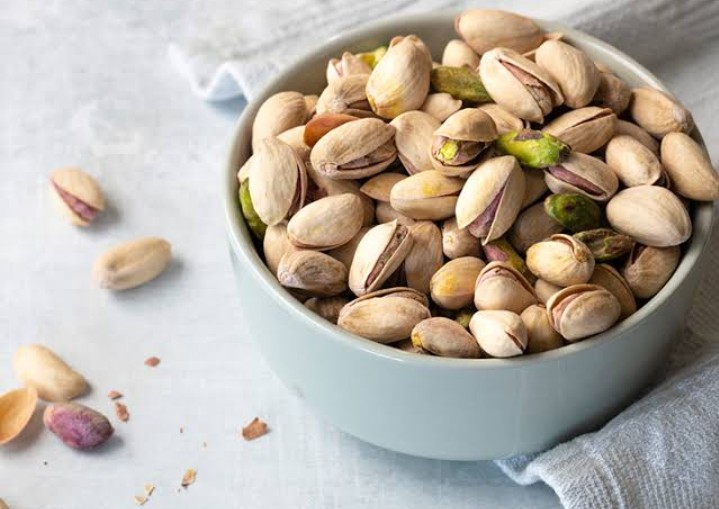
There are many ways to enjoy pistachios. The simplest is to eat them as a snack on their own, Here are some ideas on how to enjoy pistachios:-
-
Add crushed pistachios to yogurt or oatmeal.
-
You can use pistachios as crunchy toppings for your salads instead of croutons.
-
You can add pistachios to cheese.
-
With pistachios and a piece of fruit, you can have a snack that satisfies you because it has fiber and healthy fats.
-
You can swap breadcrumbs and use pistachios as a coating for fish or chicken as a gluten-free option.
-
Pistachios are also a perfect choice when it comes to making crunchy desserts.


