


Sunflower seeds come from the sunflower plant. You can eat the whole seed, shell and all, but most people prefer just the kernel without the shell because the outer shell is a fibrous structure that's hard to digest.
Sunflower seeds are low in carbs and rich in minerals, vitamins, and healthy fats. They're available all year round so they're a healthy snack and a nutrient-rich addition you can have anytime.
-
Nutritional value in sunflower seeds:
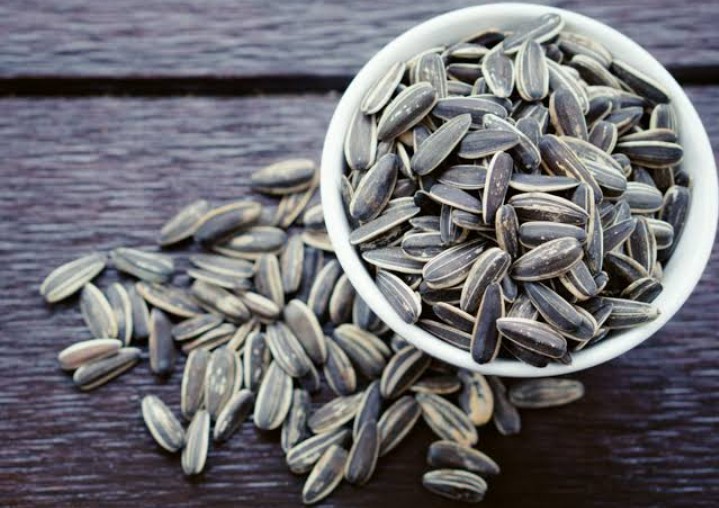
Here’s the nutrition in a 100 gm serving of unsalted sunflower seeds:
| Calories | 590 calories |
| Fats | 52.4 grams |
| Sodium | 6530 milligrams |
| Carbohydrates | 16 grams |
| Sugar | 3 grams |
| Fiber | 9.9 grams |
| protein | 21 grams |
-
Carbs:
One serving of sunflower seeds (¼ cup) has about 207 calories, 7 grams of carbs, about half the carbs come from fiber, the rest comes from starch.
Since there's no or very little sugar in sunflower seeds, they're low on blood sugar. Eating one serving of sunflower seeds doesn't raise blood sugar at all.
-
Fats:
Most calories in sunflower seeds come from fat. Eating one serving (¼ cup) gives you more than 19 grams of fat. Most of this fat is healthy fats , a mix of monounsaturated fat (3.6 grams) and polyunsaturated fat (12.6 grams). There's also about 2 grams of saturated fat.
-
Protein:-
One serving of sunflower seeds (1/4 cup) contains about 6 grams of protein.
-
Vitamins and minerals:-
Sunflower seeds are rich in vitamins and minerals. They are a great source of vitamin E, with one serving providing about 7.4 mg of vitamin E, or just under 50% of the daily recommended value set by the FDA.
Sunflower seeds are also a good source of other nutrients like thiamine, vitamin E 6, and folic acid. They contain lots of minerals too, including copper, magnesium, phosphorus, manganese, selenium, zinc, iron, and potassium.
-
Health benefits of sunflower seeds:-

Because sunflower seeds offer many nutrients, especially vitamin E and fiber, they have several health benefits.
-
Support digestive health:-

Foods high in fiber like sunflower seeds often help keep your digestive system healthy. Fiber is the part of carbs that your body doesn't digest. It helps regulate bowel movements and manages how food is digested, absorbed, and metabolized. Some fibers can ferment, creating a healthy bacterial environment in the large intestine.
-
Relief from constipation:

Sunflower seed kernels provide more fiber that can ease stool and prevent constipation. Studies also show that better fiber intake can increase bowel movement frequency in people with chronic constipation.
-
Maintaining a healthy weight:
Fiber in sunflower seeds usually helps you feel full and satisfied. Studies show people who eat fiber-rich meals tend to keep healthier weights. Other research found fiber intake links to lower risk of metabolic problems like obesity and type 2 diabetes.
-
Reducing the risk of chronic diseases:

Many studies show people who eat fiber-rich foods like sunflower seeds tend to lower their risk of chronic diseases such as heart disease, diabetes, and certain cancers. It also reduces the risk of high blood fat levels and high cholesterol. A high-fiber diet associates with lower risk of certain cancers, especially colon cancer.
-
Limiting cell damage:

Sunflower seeds have a lot of vitamin E. Vitamin E is a fat-soluble vitamin. It helps nerve function and keeps the immune system working right. Vitamin E is an antioxidant. Antioxidants protect the body from cell damage caused by free radicals.
-
Allergy:-

The American Academy of Allergy, Asthma, and Immunology reports allergic reactions to many seeds. So if you have a seed allergy or think you might be allergic to sunflower seeds, talk to your doctor and get their advice.
-
Side effects:-

As mentioned before, you can eat sunflower seeds whole, with the shell. But if you eat a lot, the hard shell can be hard to digest and cause constipation. Also, if shells aren’t chewed well, they might poke or tear the lining of the esophagus and digestive tract.
-
Types:-

Most sunflower seeds sold in stores are called non-oil seeds. They come packed for snacking or used in foods like bread. When buying, carefully check the package label and if possible, look at what's inside. They can be sold raw, roasted, or flavored. Roasting or oiling the seeds adds more fat per serving.
-
Storage and food safety:-

Since sunflower seeds have a high fat content, they spoil more easily if not stored right. It's best to keep them in an airtight container in the fridge for up to 3 months. You can also store them in the freezer.
-
Preparation method:-

You can eat sunflower seeds as they are for a quick snack. To control portions, measure the seeds and try not to eat more than 1/4 cup without shells, about 28 grams dry.
If you want to mix seeds with fruit, split your portion in half to manage calories. If you add seeds to a veggie-loaded salad or side dish, about a tablespoon is good since it adds fiber and heart-healthy fats.
To roast sunflower seeds, spread them on a baking sheet and put in the oven at 400 degrees. You can spray a little olive oil and spices if you like. They start turning brown after about 3 to 4 minutes.
You can add some seeds to yogurt, cheese, or low-fat juice for extra flavor. They also go well in cakes, breads, pancakes, and desserts.
Finally, sunflower seeds can be used to make sunflower butter, a good fat alternative for those allergic to peanuts. You can also use the seeds to make sunflower oil.


