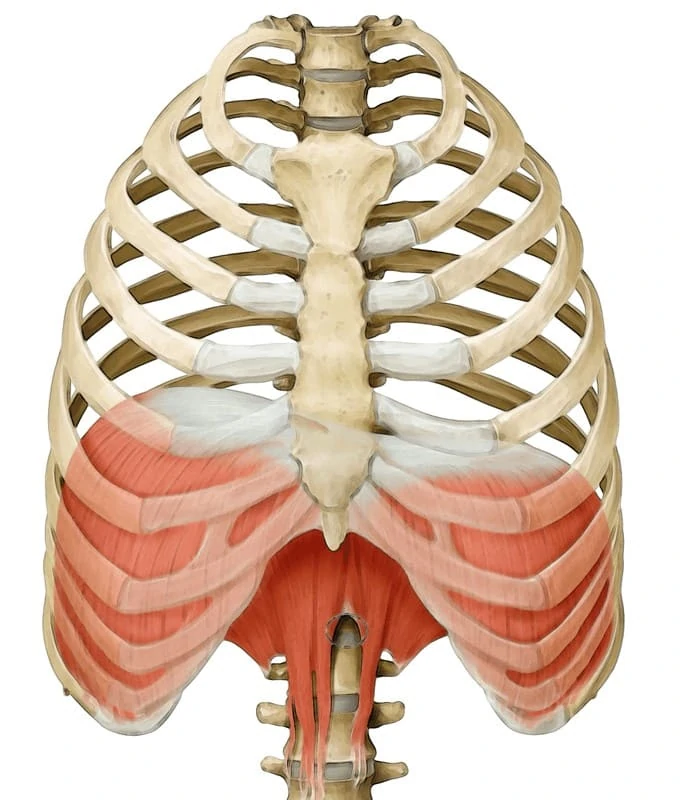
The diaphragm muscle is one of the skeletal muscles in the trunk area, especially in the chest region. It's a dome-shaped muscle and membrane structure that separates the chest cavity from the abdomen in mammals. The diaphragm is the main muscle for breathing, contracting constantly during inhaling and exhaling.
-
Function of the diaphragm muscle :-
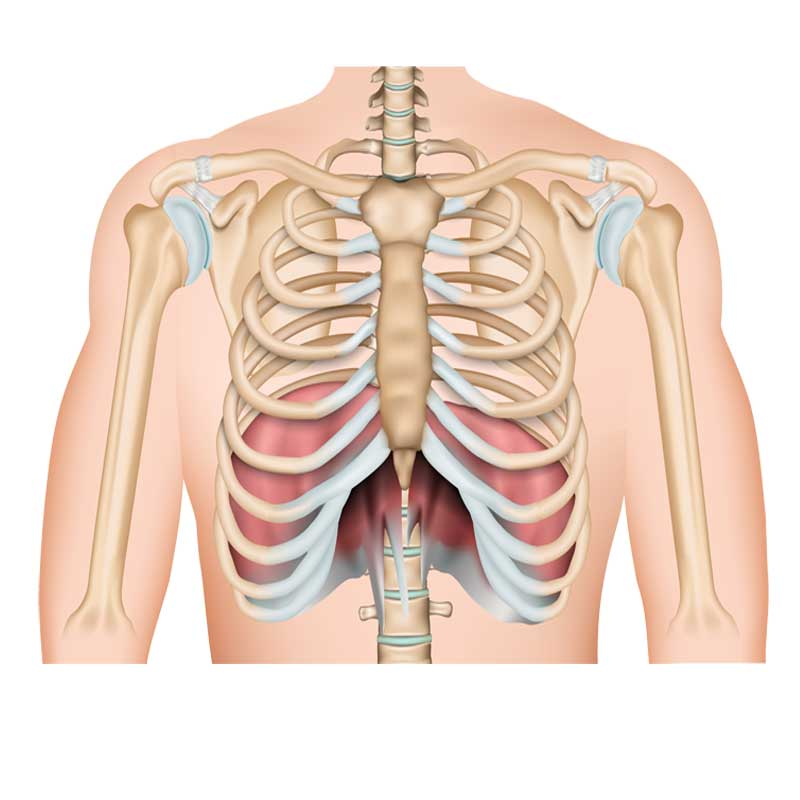
The diaphragm is a thin skeletal muscle at the base of the chest that separates the chest from the abdomen. It contracts and flattens when you inhale, creating a vacuum that pulls air into the lungs.
When the diaphragm relaxes and the lung and chest tissues naturally stretch, exhaling happens, pushing air out of the lungs.
The diaphragm also has other functions besides breathing. It increases belly pressure to help get rid of vomit, urine, stool, crying, and childbirth. It also presses on the esophagus to stop acid reflux.
The phrenic nerve controls the diaphragm’s movement and runs from the neck to the diaphragm.
There are three big main openings in the diaphragm that let some structures pass between the chest and the abdomen. These openings include :-
-
Esophageal opening :- The esophagus and the vagus nerve pass through this opening, which controls a large part of the digestive system.
-
Aortic opening :- The aorta artery passes through this opening. It's the main artery that carries blood from the heart through the aortic opening. The thoracic duct, a main vessel in the lymphatic system, also passes through here.
-
Caval opening :- The inferior vena cava, a large vein that carries blood to the heart, passes through this opening.
There are some small holes in the membranous part of the diaphragm, allowing abnormal fluids or air to move from the abdominal cavity to the pleural spaces in the chest. The diaphragm's twitching causes the distinct sound known as hiccups.
-
Here are some diaphragm muscle exercises :-
-
Diaphragmatic breathing :-
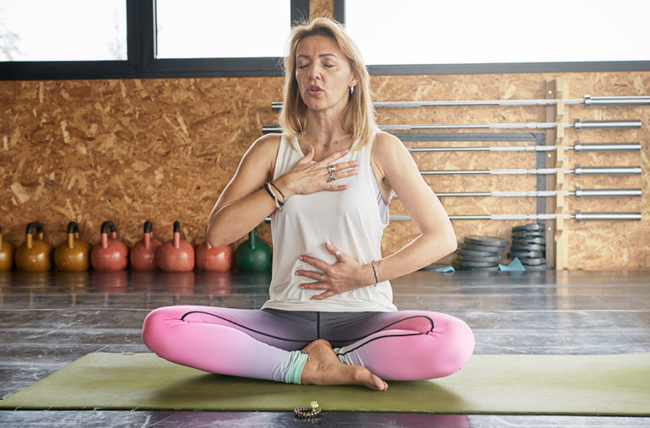
Diaphragmatic breathing is a breathing exercise that helps strengthen the diaphragm. It's also called belly breathing or abdominal breathing.
Diaphragmatic breathing has many benefits for your whole body. It's the basis of almost all meditation and relaxation techniques, which can reduce stress levels, lower blood pressure, and regulate other vital body functions.
- How to do the exercise :-
-
Sit or lie down on a flat, comfortable surface.
-
Relax your shoulders and move them down away from your ears.
-
Place one hand on your chest and the other on your stomach.
-
Without strain or pushing, breathe through your nose and keep going until you can't inhale more air.
-
Feel the air move through your nostrils into your belly, making your stomach and sides of your waist expand.
-
Keep your lips like you're sipping through a straw.
-
Exhale slowly through your mouth (lips) for 4 seconds, feeling your stomach gently tighten.
-
Repeat these steps several times for the best results.
2. Numbered breathing exercise :-
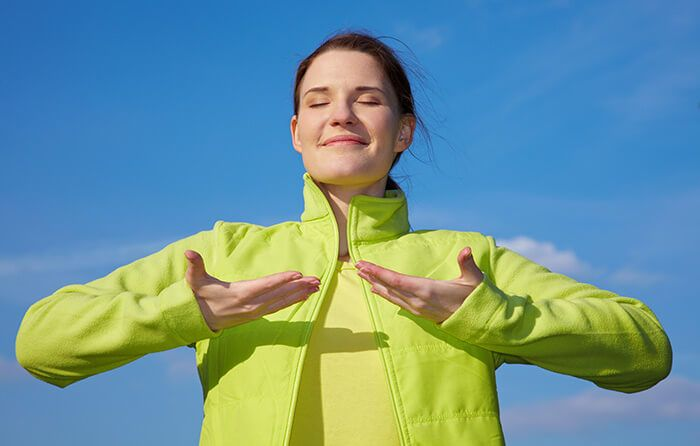
Numbered breathing is a good breathing exercise to control your breathing patterns.
- How to do the exercise :-
-
Sit or stand straight, with your eyes closed.
-
Breathe through your nose without strain or pushing until you can't take in more air in your lungs.
-
Keep your eyes closed and breathe in fully again.
-
Hold the air in your lungs for a few seconds, then let it out completely.
-
Consider that count one of your breathing.
-
Breathe in fully again.
-
Hold the air for a few seconds, then let it all out.
-
Consider that count two of your breathing.
-
Repeat a full inhale, hold it, then exhale and consider that count three of your breathing.
-
Repeat these steps until you reach count ten.
3. Lower-back breathing exercise :-

Kidney breathing or lower-back breathing can help you train yourself to breathe in a rounded way instead of just breathing in and out.
- How to do the exercise :-
-
Put your hands behind your back, touching your thumbs to your thigh bones.
-
Your hands will be almost parallel with your pelvis.
-
Slowly inhale through your nose, trying to send the breath to your hands behind your back.
-
You can gently tighten your belly.
-
You might feel a movement you can't really notice under your back, or you might not feel anything at all.
-
Slowly exhale through your nose or mouth, letting your belly and waist sides contract naturally.
-
Inhale again, focusing on expanding your lower back under your hands.
-
Repeat this process about 10 times.