


1. Dairy products

During pregnancy, you'll need more protein and calcium to support your growing baby. Dairy products like milk, cheese, and yogurt should be part of your diet because they have two high-quality proteins: casein and whey. Dairy is also one of the best sources of calcium and provides plenty of phosphorus, vitamin B, magnesium, and zinc.
Yogurt, especially Greek yogurt, is very good because it has more calcium than most dairy products. Some yogurts also have probiotic bacteria that help keep your digestive system healthy.
2. Legumes
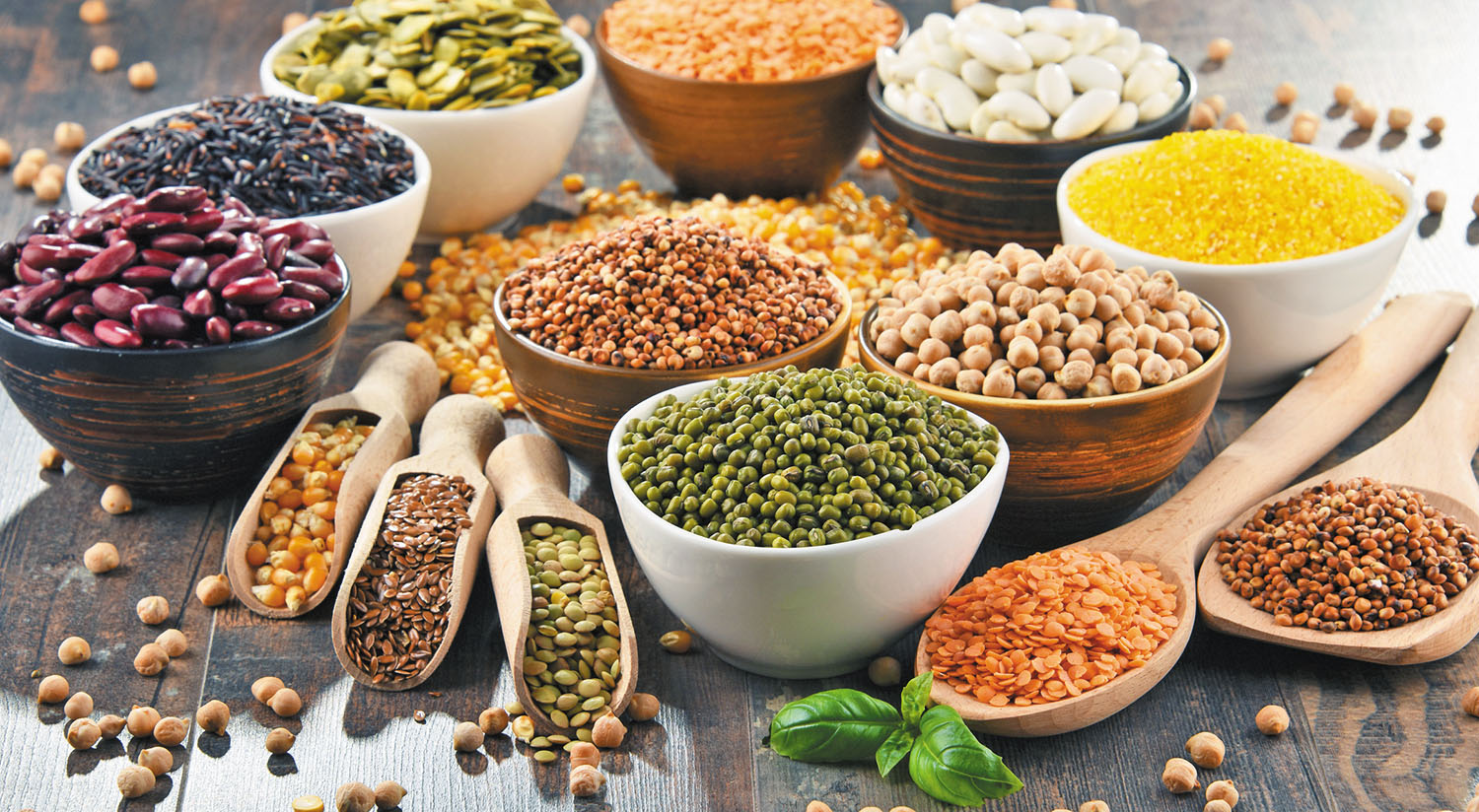
Legumes include a great variety of foods like lentils, peas, beans, chickpeas, soybeans, and peanuts. They are excellent plant sources of fiber, protein, iron, folic acid, and calcium. All these nutrients are important for your body during pregnancy.
The folic acid in legumes is a type of B vitamin that's very important for you and your baby, especially in the first three months of pregnancy. You may need at least 600 micrograms of folic acid daily.
3. Sweet potatoes

Sweet potatoes aren't just tasty and easy to cook in many ways, they're also rich in beta carotene, a plant compound that turns into
vitamin A in your body, which is key for baby growth. Sweet potatoes are also a plant source of fiber that keeps you full longer, helps lower blood sugar spikes, improves digestion, and may ease constipation during pregnancy.
4. Salmon

Salmon is packed with omega-3 fatty acids, essential for pregnancy. These fats help build your baby's brain and eyes, and might even help lengthen the pregnancy. But avoid fish high in mercury and stick to fatty fish like salmon.
Also, salmon is a natural source of vitamin D, important for bone health and the immune system.
5. Eggs
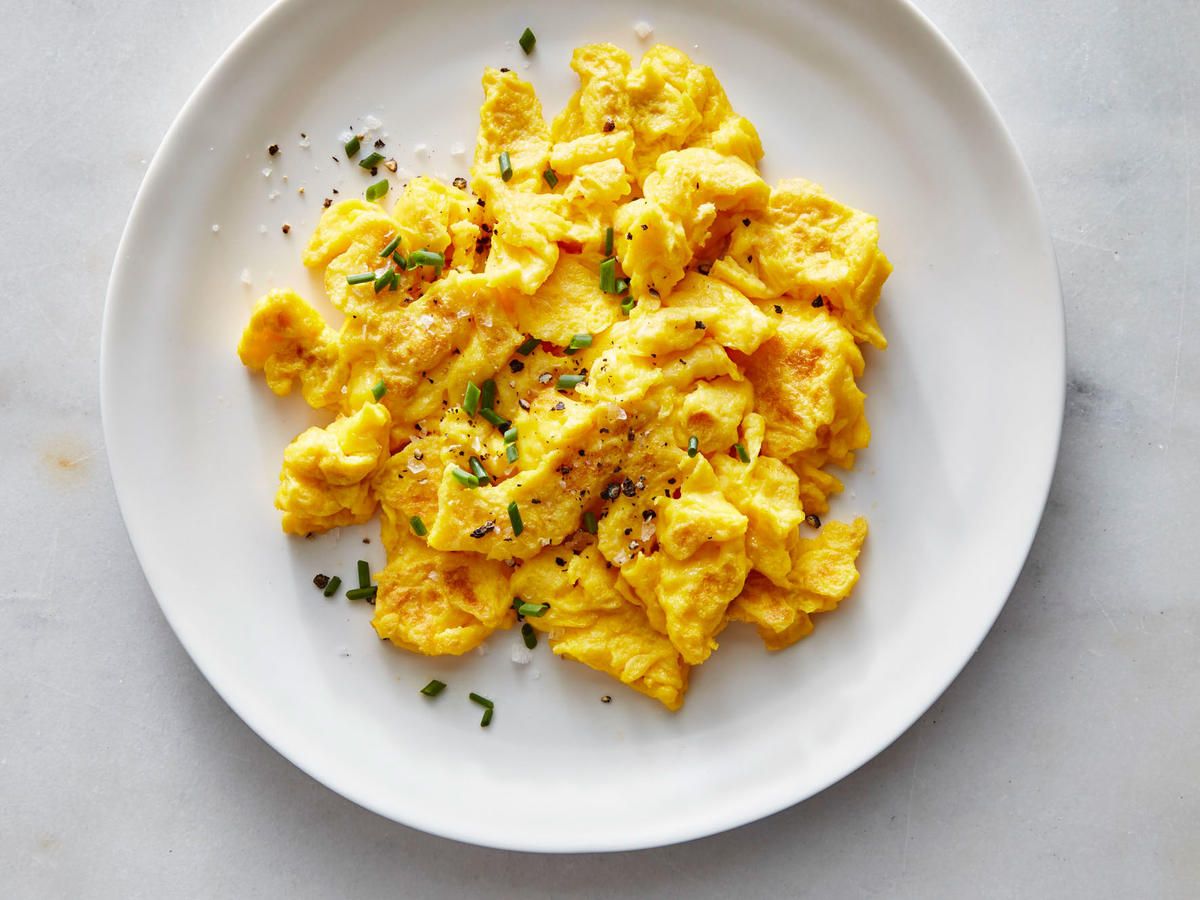
Eggs are one of the best foods to eat because they have a bit of almost every nutrient you need. One large egg has about 80 calories, high-quality protein, healthy fats, plus many vitamins and minerals. Eggs are also a great source of choline, a key nutrient in pregnancy important for baby’s brain growth and preventing brain and spine defects. One egg has about 147 mg of choline. Doctors recommend 450 mg daily during pregnancy.
6. Broccoli and dark leafy greens
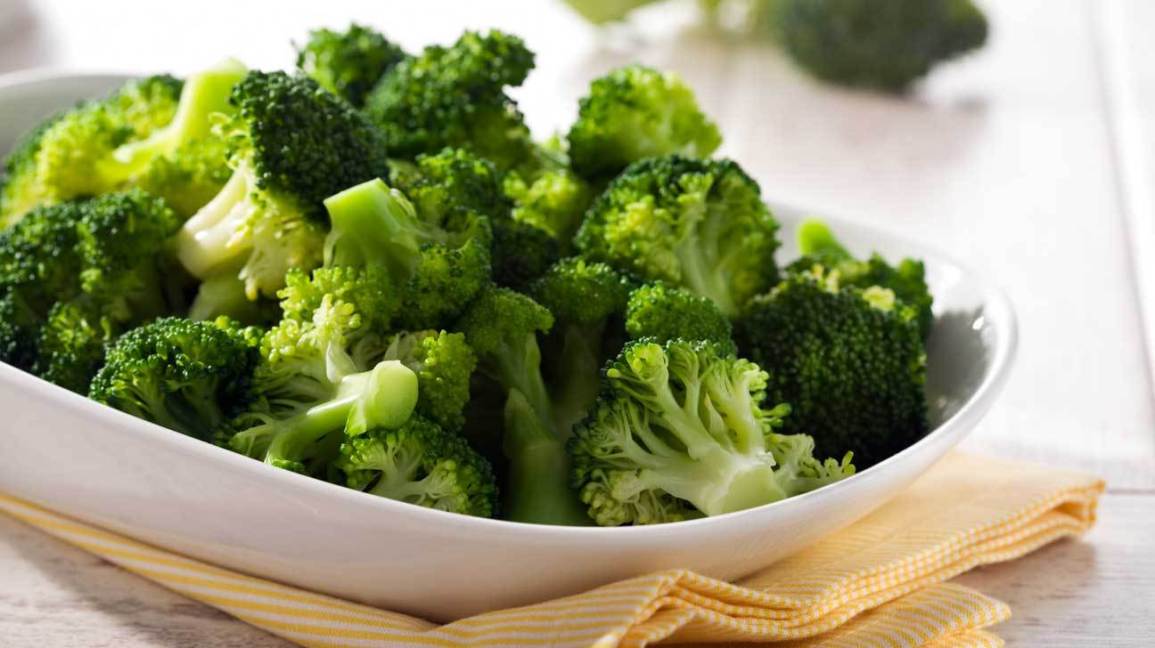
Broccoli and dark green veggies like kale and spinach have lots of nutrients you'll need during pregnancy like fiber, vitamin C, vitamin K, vitamin A, calcium, iron, folic acid, and potassium.
7. Lean meats
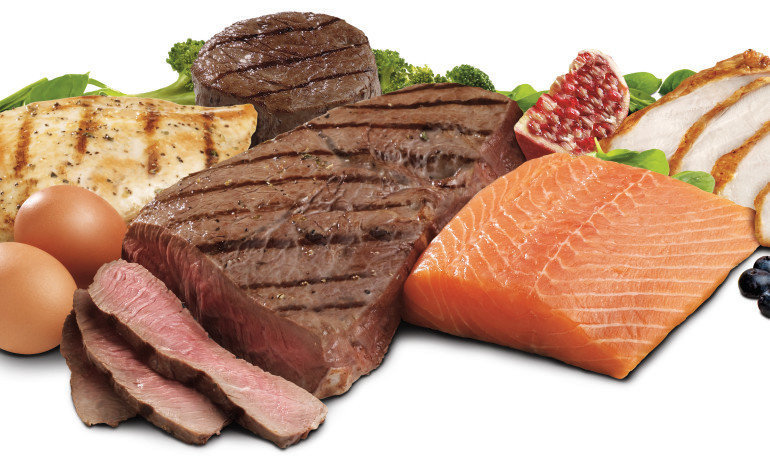
Lean meats like beef and chicken breast are great sources of high-quality protein. They’re also packed with iron, choline, and B vitamins. You'll need plenty of these nutrients during pregnancy.
Iron is a key mineral used by red blood cells to make hemoglobin. You'll need more iron because your blood volume increases, especially in the third trimester. Low iron early in pregnancy can cause iron-deficiency anemia, which ups the risk of low birth weight and other issues. So it’s important to get your daily iron from food or supplements, but check with your doctor before taking supplements.
8. Berries

Berries have lots of benefits because they're full of water, healthy carbs, vitamin C, fiber, and antioxidants. They don’t spike blood sugar much since they have low sugar. Berries make great snacks too, offering water and fiber with a tasty flavor and relatively few calories.
9. Whole grains

Unlike refined grains, whole grains are packed with fiber, vitamins, and plant compounds. Think about using oats, quinoa, and brown rice instead of white bread, pasta, and white rice. Some whole grains like oats and quinoa also have a good amount of protein and provide plenty of B vitamins, fiber, and magnesium.
10. Avocado

Avocado is an unusual fruit because it has unsaturated fats and is rich in fiber, vitamin B, folic acid, vitamin K, potassium, copper, vitamin H, and vitamin C. Avocado is also one of the best foods you can eat during pregnancy because of its high content of healthy fats, folic acid, and potassium. The healthy fats help build your baby's skin, brain, and tissues. As mentioned, folic acid may also help prevent brain and spinal cord defects.
11. Dried fruit
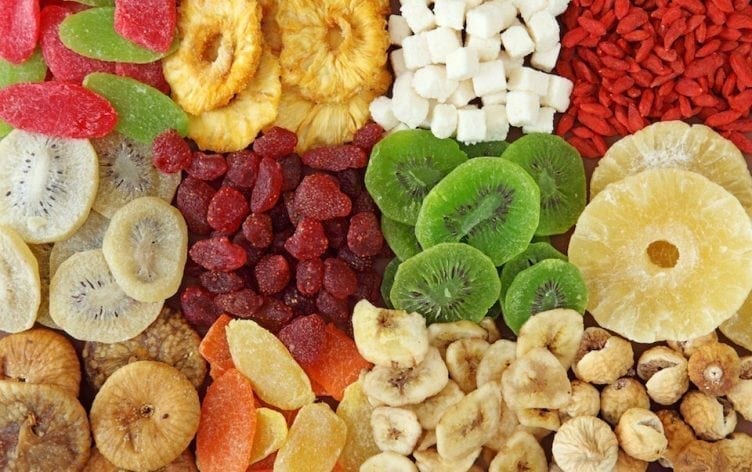
Dried fruits generally have a high amount of calories, fiber, vitamins, and various minerals. One piece of dried fruit contains the same nutrients as one fresh piece of the same type, just without all the water and in a much smaller size. Dried fruit also contains a lot of natural sugar that may help you avoid processed sugars.
Dried prunes are rich in fiber, potassium, and vitamin K. They act as natural laxatives and can be very helpful for easing constipation. Dates are rich in fiber, potassium, iron, and plant compounds. Although dried fruit might help you increase calorie and nutrient intake, it's not recommended to eat more than one serving at a time. You can add one serving of dried fruit with a mix of nuts and seeds for a snack that's high in protein and fiber.
12. Cod liver oil
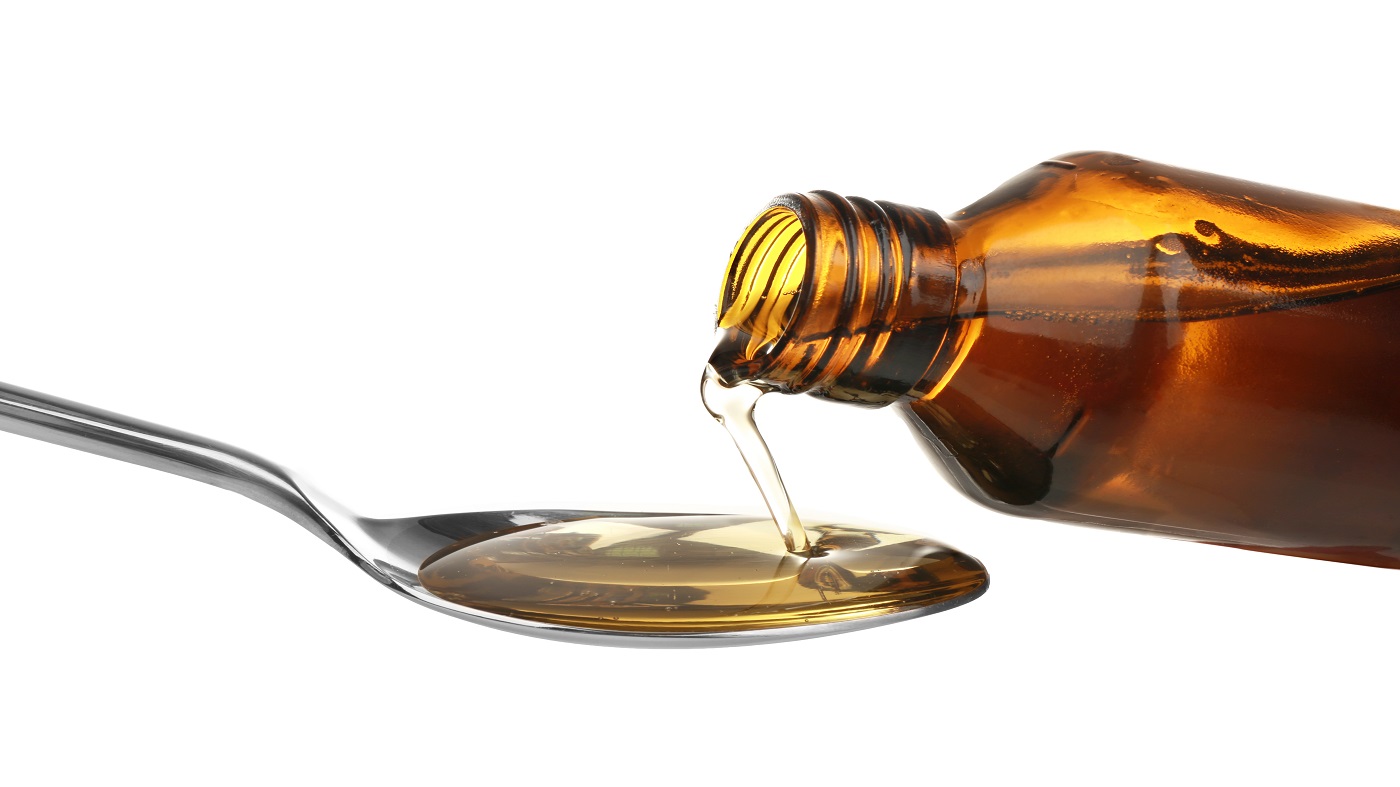
Cod liver oil is rich in omega-3 fatty acids, which are essential for your baby's brain and eye development. These fatty acids may also help protect against premature birth. Cod liver oil also contains a very high amount of vitamin D, which most people don't get enough of daily. One tablespoon of cod liver oil has more than the daily recommended amount of omega-3, vitamin D, and vitamin A. But don't take more than this amount since too much vitamin A can be risky for your baby.


