

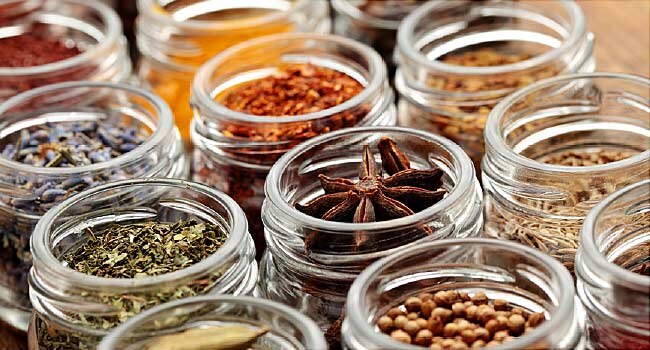
No meal should be without spices or herbs because they make food taste better and boost your health at the same time. So it's good to use spices and herbs regularly. Many herbs like basil are plant leaves, while spices like cinnamon mostly come from seeds, fruits, or roots. Both are used to give special flavor to food, but research shows herbs and spices have lots of healthy plant compounds that offer many health benefits. They fight inflammation and reduce damage in body cells because of these healthy chemicals. Adding herbs and spices to your diet has other benefits since their strong flavor can help you cut down on unhealthy stuff like salt and sugar. You might have seen some spices and herbs sold as medical supplements like thyme oil or cinnamon extract capsules. It's better to eat spices and herbs naturally rather than capsules (unless your doctor says otherwise) because these products aren't well regulated, so capsule content might be much less than claimed.Here are some useful spices and herbs you can add to your food.
Cardamom:
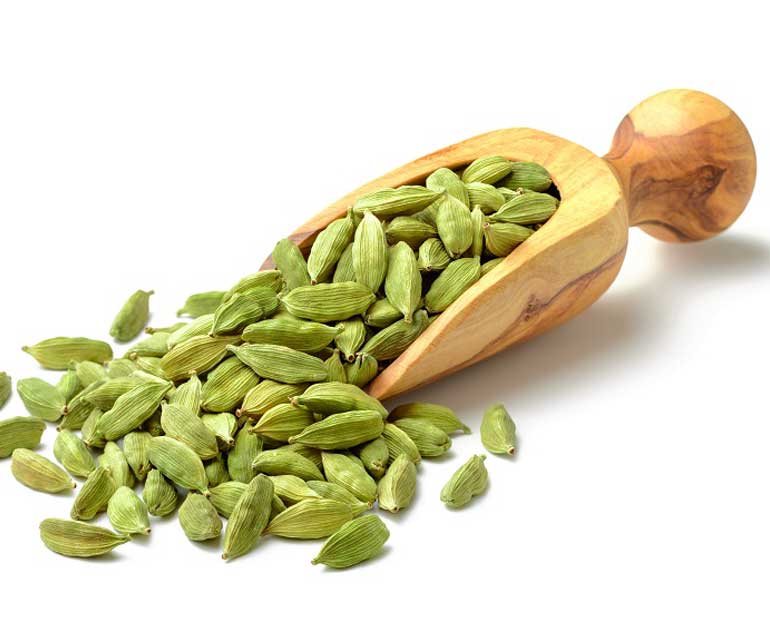
Cardamom is a sweet and spicy spice found in many pumpkin spice mixes. It’s known to calm stomach issues, and lab studies show it might help fight inflammation. It’s also rich in minerals like magnesium and zinc.
Hot pepper:
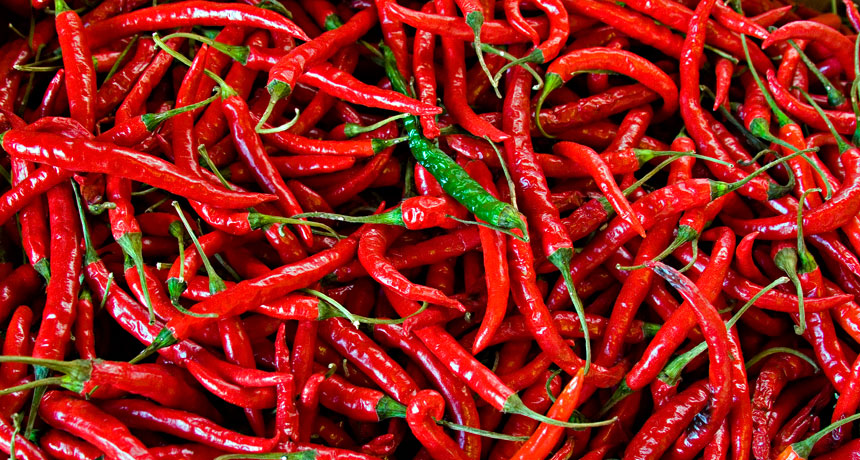
Whether fresh, dried, or ground, hot pepper gives food a flavor boost. It also raises your body's energy burn rate and keeps blood vessels healthy.
Cinnamon:
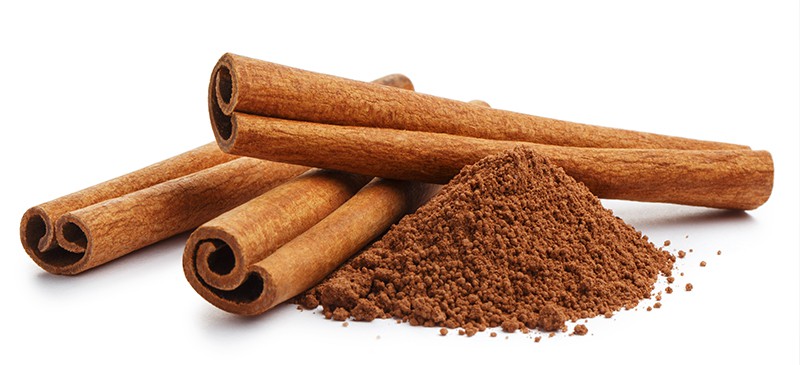
Cinnamon is a great herb because it tastes sweet, has no sugar, and is low calorie. It's also cheap, easy to find, and you can add it to almost anything. Lab studies show cinnamon helps fight inflammation, bacteria, and fights free radicals that can harm cells. Some studies suggest it helps lower blood sugar in people with or at risk for diabetes, but other studies don't support this. So, cinnamon can be part of a healthy diet but not a treatment for diabetes.
Cocoa:
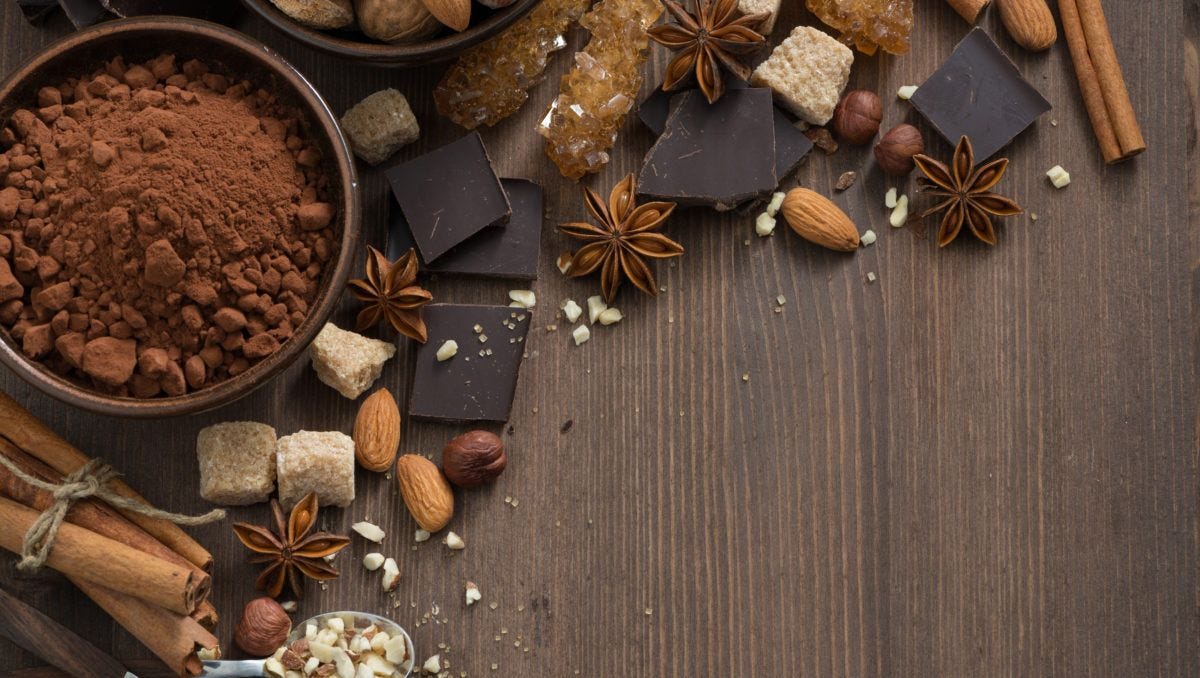
You might think cocoa is the main ingredient in chocolate but it's really a spice with many health benefits. Cocoa beans are full of flavonoids, which are antioxidants that boost heart and artery health. They also help lower cholesterol and blood pressure.
Cumin:

Cumin is used worldwide and is a key ingredient in many Indian dishes. It's rich in iron and helps with weight loss. A study on 88 women found that adding a teaspoon of cumin daily to food while on a low-calorie diet helps lose weight faster.
Garlic:

Garlic has a strong compound called allicin. Lab studies showed allicin can reduce your chances of heart disease. Other research found garlic may lower cholesterol and blood pressure. But to get garlic’s benefits, you need to chop or crush it well so allicin can form.
Ginger:
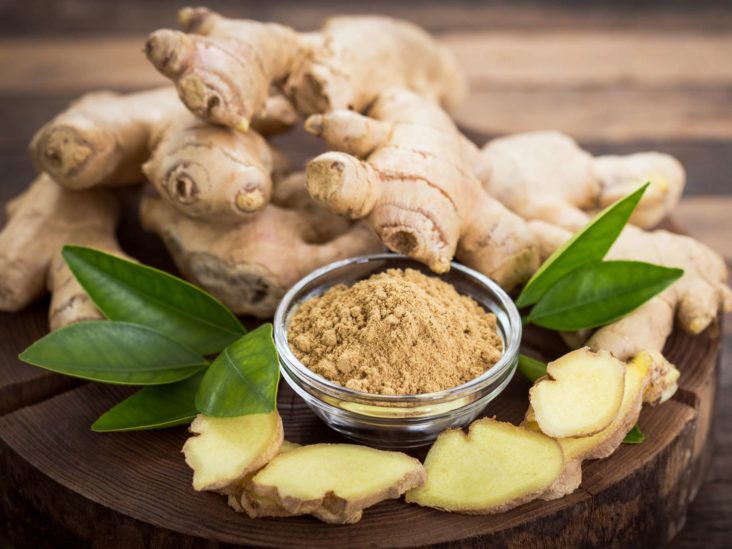
Ginger can help treat stomach issues because it soothes the lining of the digestive system and can also ease nausea. Lab studies also show that ginger has anti-inflammatory and antioxidant properties and might help prevent many diseases like cancer.
Rosemary plant:

This herb has a strong smell and is rich in antioxidants that protect cells from damage. You can get many benefits just by smelling it. One study found that people who use rosemary in their food perform much better on memory-based tests than those who don’t.
Turmeric:
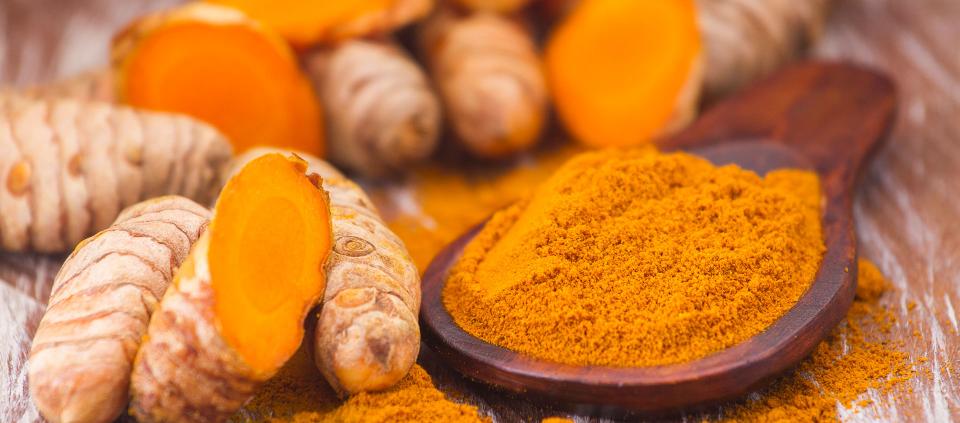
It's a spice with a yellow color. Turmeric is a good source of curcumin, an antioxidant compound that reduces inflammation. Studies show curcumin may help reduce pain. Other studies found that regularly taking a small amount of turmeric might help prevent or delay Alzheimer's disease.


