


There are many healthy foods we eat daily that have many benefits but eating too much of some healthy foods can have serious consequences and harms. Here are those foods.
1. Fish oil and omega-3 fatty acids
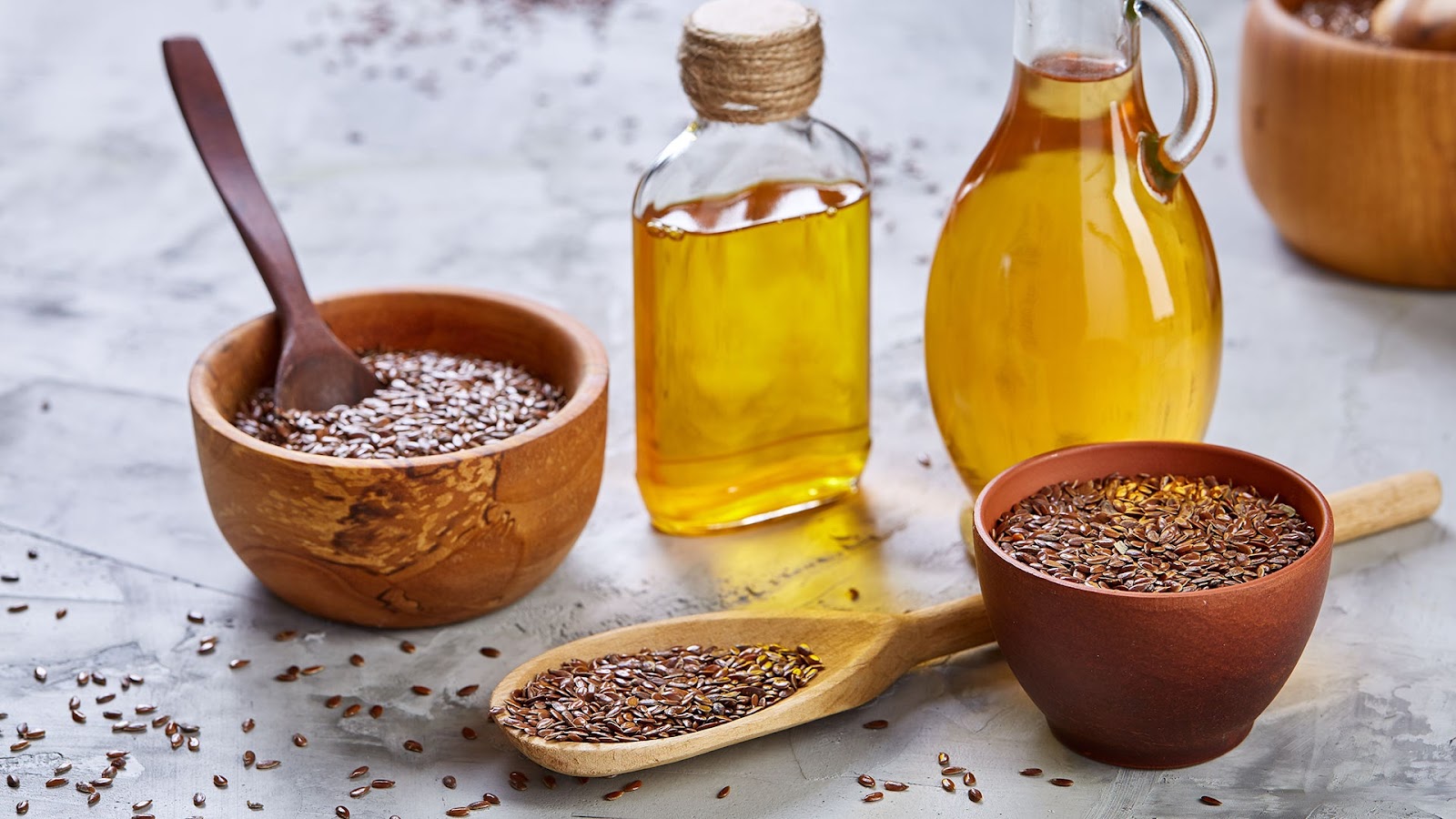
Fish oil and omega-3 fatty acids are very important and good for your health. Fish oils have become more popular in recent years and are now one of the most used supplements because these good fats can:
- Fight inflammation in the body.
- Improve brain health and development.
- Reduce the risk of heart diseases.
But you should be careful when using fish oils because eating too much can make your blood thin and cause high vitamin A levels in the body beyond the allowed limit. This can cause many harms, especially for pregnant women. The daily recommended dose of fish oil is from 1 to 6 grams.
2 - Tuna fish

Tuna is one of the healthy fatty fish types and a great source of omega-3 fatty acids. It has a lot of protein but can also have very high levels of a harmful substance called methylmercury. This can harm the nervous system and might cause growth problems in kids, vision issues, weak muscle coordination, and speech and hearing problems. Big tuna fish have more methylmercury than small ones because the mercury builds up more over time. Small tuna is used in canned tuna, while big fish are used in sushi. So it's better not to eat tuna too often and swap it with fatty fish free of methylmercury like salmon, sardines, and mackerel.
3- Cinnamon

Cinnamon is a popular spice known for its tasty flavor and many health benefits. It has important antioxidants and can lower blood sugar and reduce risks of heart disease and cancer. But despite its benefits, cinnamon has a compound called coumarin that can cause serious health issues if eaten in large amounts, like liver poisoning and cancer.
4- Nutmeg

Nutmeg has a very strong taste which makes people like to add it to cakes and desserts. But it has a compound called myristicin that can cause poisoning if eaten too much. Symptoms of myristicin poisoning include seizures, convulsions, irregular heartbeat, nausea, dizziness, pain, and hallucinations.
5- Coffee

Coffee is a popular hot drink with a lot of antioxidant properties. It's linked to many health benefits like:
- Reduces the chances of liver diseases.
- Lowers the risk of type 2 diabetes.
- Cuts the risk of neurodegenerative diseases.
A safe coffee dose is 400 mg of caffeine daily. More than that can cause nerve system issues like:
- Insomnia.
- Irritation and sensitivity.
- Stomach cramps.
- Muscle cramps.
- Heart palpitations.
It's important to know that the side effects mentioned above might never show up or might appear even with a small amount of caffeine. It depends on the person's body type.
6 - Liver

Animal organs are generally very nutritious and beneficial foods, especially liver, which is rich in important nutrients like iron, vitamin A, and copper. About 100 grams of beef liver can have 6 times the daily recommended vitamin A and 7 times the daily recommended copper.
Too much vitamin A can cause poisoning with symptoms like vision problems, bone pain, higher fracture risk, nausea, and vomiting. Too much copper can cause copper poisoning, which may increase Alzheimer's risk. So eating liver once a week is enough to get benefits.
7- Vegetables from the cabbage family
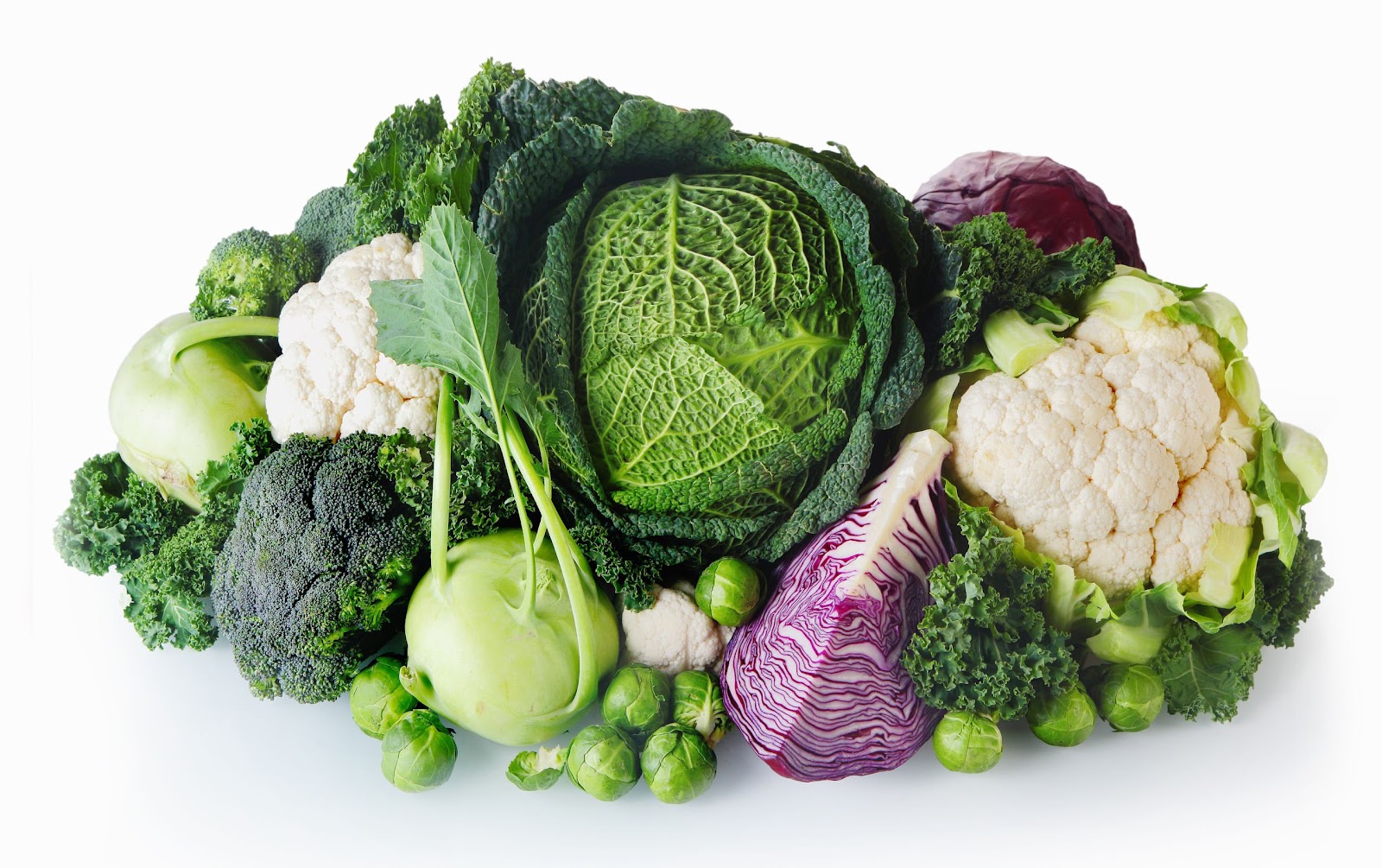
The cabbage family, including broccoli and cauliflower, is rich in important nutrients linked to health benefits like protection from cancer and heart disease. But these veggies have compounds called thiocyanates, which might block the body's ability to absorb iodine.
This can lead to a condition called hypothyroidism, which has symptoms like:
- Swelling in the thyroid gland.
- Weight gain.
- Constipation.
- Dry skin.
- Low energy levels.
8. Brazil nuts
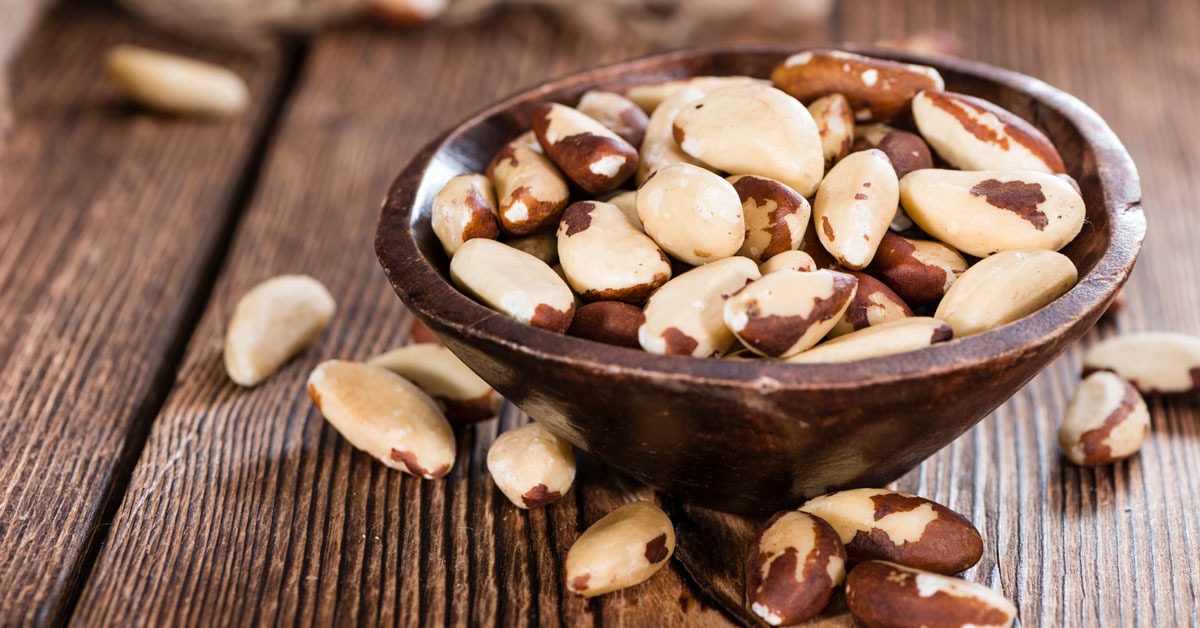
Brazil nuts are among the best dietary sources of essential selenium but taking too many can be toxic. Symptoms of selenium poisoning include hair and nail loss, digestive issues, and memory problems. The daily recommended selenium intake for adults is 50 to 70 micrograms, and the safe upper intake limit is about 300 micrograms daily. One large Brazil nut can have up to 95 micrograms of selenium, which is more than the recommended adult daily amount and about three times what children need.


