

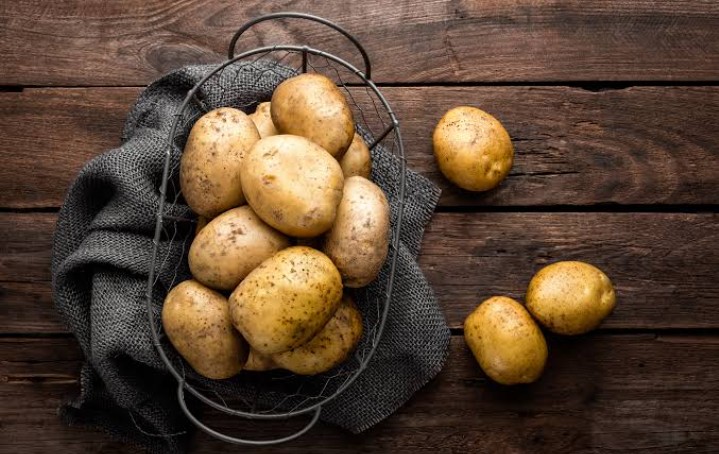
Potatoes are one of the most important starchy vegetables, potatoes have a high starch content which gave them a bad reputation in low-carb diets, but still carbs aren't bad for your health as long as you watch your portions. In fact, they're really important since they're a key energy source for your body. Potatoes are cheap, versatile, store well for long periods, and are a good source of fiber, potassium, and vitamin C.
Nutritional values in potatoes:-

Nutrients in (100 gm) of boiled or cooked potatoes with skin, but no salt:-
| Calories | 87 calories |
| Water | 77 % |
| Protein | 109 g |
| Carbohydrates | 20.1 g |
| Sugar | 0.9 g |
| Fiber | 1.8 g |
| Fat | 0.1 g |
Carbohydrates :-
Potatoes mainly consist of CarbohydratesPotatoes are mainly starch, with carbs making up 66 to 90% of their dry weight. They also have small amounts of simple sugars like sucrose, glucose, and fructose. Usually, potatoes score high on the glycemic index (GI), so they’re not great for people with diabetes. GI measures how much a food raises blood sugar after a meal. However, some potato types can fall into a medium GI range depending on variety and cooking methods. Cooling potatoes after cooking can cut their blood sugar impact by about 25 to 26%.
Fat:-
Potatoes have a small amount of fat split between saturated and polyunsaturated fats. They also have tiny amounts of omega-3 and omega-6 fatty acids. Potatoes have no cholesterol unless you add fat or fry them. Basically, they are fat-free.
Protein:-
Potatoes have a small amount of proteinBut it's high quality type because of its amino acid makeup and how well it digests. This means the protein quality here matches that in eggs, and is actually better than in soy and other legumes.
Vitamins and minerals:-
Potatoes provide many Vitamins and minerals for the body including vitamin C, vitamin B6, potassium, and they are also a good source of folic acid, iron, magnesium, phosphorus, copper, and manganese. To get the most from potatoes, you should eat the skin and the flesh too, since some nutrients are more packed in the skin.
The health benefits of potatoes:

Potatoes count as one of the nutritious veggies. Even though they have a lot of starch, their other healthy plant compounds make them a useful part of a balanced diet.
-
Helps regulate blood pressure:
Potatoes have a high amount of potassium which helps fight sodium to regulate blood pressure and fluid balance.
Research shows the potassium in potatoes is as high and usable by the body as potassium supplements. Potassium is also key for normal muscle and nerve function.
-
Supports the immune system :-
Vitamin C is needed for normal immune function, blood clotting, strong connective tissue, and blood vessel walls. Since the body can't store vitamin C, you need to get it from food.
One baked potato provides about 19% of the daily vitamin C value.
-
Repairs oxidative damage :-
Potatoes have a good amount of plant antioxidants like vitamin C, carotenoids, and polyphenols. These can help fix cells damaged by stress and oxidation, which may reduce risk of chronic diseases.
-
Prevents chronic diseases :-
Fiber is key for digestion, blood sugar control, weight management, heart health, and more. Potatoes are a good fiber source, especially if you eat the skin.
-
Low FODMAPs :-
Potatoes have low amounts of monosaccharides, disaccharides, fermentable sugars, polyols, also called FODMAPs, and short-chain carbs that can cause bloating and gut sensitivity.
A low FODMAP diet helps ease symptoms, and potatoes are allowed on this diet.
Allergy :-

Allergy to cooked or raw potatoes or potato pollen is rare but has been reported.
If you or your kid are allergic to potatoes, be sure to check ingredient labels carefully. Many products have potato flour or potato starch.
Varieties :-

The most common types of potatoes are white, red, and yellow, but you can also find blue and purple potatoes.
You’ll also find a wide variety of potato sizes, all similar nutritionally, but their texture can differ a bit. Sweet potatoes, however, differ in shape, taste, and nutrition.
Storage and food safety :-

You can store unwashed potatoes for weeks or even months in a cool, damp, dark place. Keep them in a paper bag or cardboard box, not in plastic.
Don’t store potatoes in the fridge because this can raise the acrylamide levels in potatoes, which is a toxic substance that forms in starchy foods.
How to prepare :-
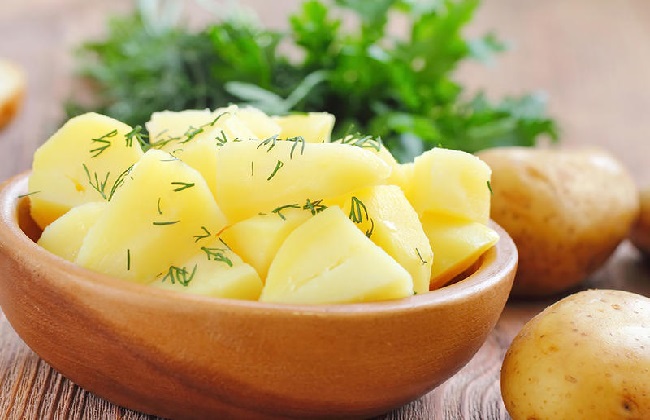
When potatoes are fried, turned into chips, or tossed in sauces, butter, or cheese, their nutritional value changes a lot.
Boiled, baked, or roasted potatoes are best in terms of nutrition, Keep in mind to add vegetables and healthy toppings to your potatoes :-
-
Add healthy fats to baked or roasted potatoes like avocado or a spray of olive oil.
-
Use Greek yogurt instead of sour cream on baked potatoes.
-
Serve baked potatoes with broccoli and sprinkle about an ounce of shredded cheese on top.
-
Make baked potatoes in the oven or low-calorie potato skins.
-
Make mashed potatoes with low-fat sour cream, fat-free yogurt, and garlic.
-
Add sliced potatoes with skins to soups and stews.


