

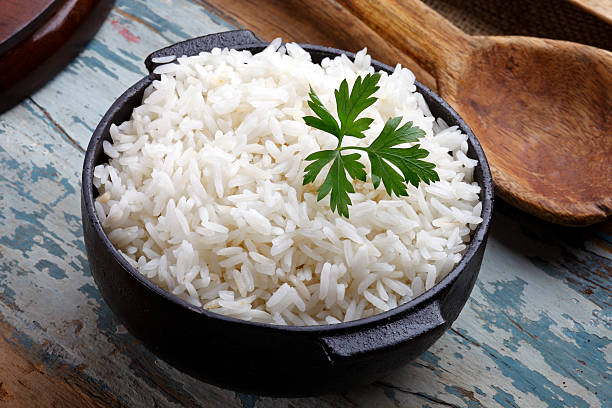
Rice is a basic part of many people's meals. It's filling, cheap, and tastes great. But rice, especially white rice, might not fit everyone's nutritional needs. For example, people wanting to eat less carbs or cut calories might want a lower-calorie, lower-carb alternative.
You can replace rice with other healthy options like whole grains, This article will cover many healthy rice alternatives that you can rely on for high protein and fewer calories.
-
Quinoa :-

Quinoa seeds are a popular substitute for rice. These tiny seeds are gluten-free and have way more protein than rice. Half a cup (92 g) of cooked quinoa gives you 4 grams of protein, double what the same amount of white rice gives.
Quinoa is a complete protein, containing all nine essential amino acids your body needs. It's an excellent protein source, especially for people on plant-based diets. Quinoa also has important minerals like magnesium and copper that help with energy metabolism and bone health.
Quinoa is prepared Mix some quinoa with twice the amount of water and boil it. Cover it and lower the heat. Let it cook until all the water is absorbed. Then take it off the heat and let it rest for 5 minutes. Fluff it with a fork before serving.
-
Grated Cauliflower :-

Grated cauliflower is great for rice because it's low in carbs and calories and has a real flavor. Plus, it looks and feels a lot like cooked rice.
Crispy cauliflower is a popular rice substitute for people on low-carb diets. Half a cup (57g) of grated cauliflower has just 13 calories, compared to 100 calories for the same portion of white rice.
Grated cauliflower is prepared by cutting the cauliflower head into pieces and grating them using a box grater or food processor. Then cook the grated cauliflower with a little oil over medium heat until it’s cooked and slightly brown.
-
Grated Broccoli :-

Like grated cauliflower, grated broccoli is also a healthy substitute for white rice. It has a similar nutrition profile to grated cauliflower. Half a cup (57g) of grated broccoli has 15 calories.
Shredded broccoli is also a great source of vitamin C. Half a cup of shredded broccoli gives you over 25% of the recommended daily vitamin C. Vitamin C is a strong antioxidant that can help prevent cell damage and boost immune health.
Shredded broccoli is prepared like shredded cauliflower by grating broccoli with a box grater or food processor, then cooking it over medium heat with a little oil.
-
Barley :-

Barley is a grain closely related to wheat. It looks like oats and has a chewy texture. Half a cup (81g) of barley has 100 calories, the same as the same amount of white rice. But barley has a lot more protein and fiber.
Also, barley has a variety of important nutrients. Half a cup of barley gives over 10% of the daily value for niacin, zinc, and selenium.
Barley is prepared by boiling one part barley with four parts water. Then reduce heat to medium and let it cook until barley is soft, about 25-30 minutes. Drain excess water before serving.
-
Whole wheat couscous:
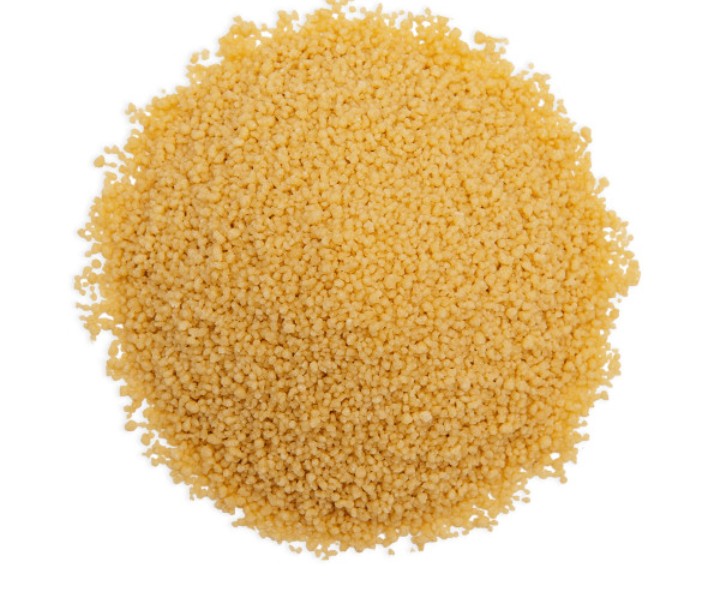
Couscous is a type of pasta widely used in our Middle East and Mediterranean area. It's made of small flour pearls.
Whole wheat couscous is a healthy choice compared to other couscous types because it's rich in fiber and protein. The couscous grains are much smaller than rice grains, giving a unique texture to dishes served with it.
Couscous is prepared by mixing couscous with water, then boiling the mix. Take it off the heat and let it sit covered for 5 minutes. Fluff it with a fork before serving.
-
Chopped cabbage:

Chopped cabbage is another great alternative to white rice. It's low in calories and carbs with a light flavor. Cabbage is an excellent source of vitamins C and K. Half a serving (75 g) gives 31% of the daily vitamin C and 68% of daily vitamin K. Vitamin K helps regulate blood clotting and circulation and plays a key role in bone health.
Chopped cabbage is prepared Cut the cabbage well by hand or with a food processor, then cook it with a little oil over medium heat until done.
-
Whole wheat orzo pasta:

Orzo is a type of pasta shaped and sized like rice. Whole wheat orzo has more protein and fiber than regular orzo, making it a healthier choice.
However, orzo has a high calorie content, providing 50% more calories than the same serving of white rice, so make sure to choose portions that fit your needs and goals.
Orzo is prepared By boiling it in water over medium heat until it reaches the texture you want, then draining the excess water before serving.
-
Farro:

Farro is a whole wheat product that can be used like rice. It's similar to barley but has bigger grains. Farro contains a lot of protein like quinoa.
Farro is an excellent plant-based source of protein. To make sure you get all nine essential amino acids, add legumes like chickpeas or black beans to farro.
-
Freekeh :-

Freekeh, like barley and farro, is a whole grain. It comes from wheat grain harvested while still green. It's rich in protein and fiber. A ¼ cup (40 g) of freekeh gives about 8 grams of protein and 4 grams of fiber.
The same serving also provides 8% of the daily recommended amount of iron, which is essential for making healthy red blood cells.
Freekeh is prepared by using one part freekeh to two parts boiling water, then lowering the heat to medium and letting the grains cook through.
-
Wheat Bulgur :-

Bulgur looks like couscous in size and appearance, but while couscous is pasta made from wheat flour, wheat bulgur is small cracked pieces of whole wheat grain.
Bulgur is used a lot in tabbouleh, which is a salad dish that also has tomatoes, cucumbers, and fresh herbs.
Except for plant-based alternatives, bulgur is lowest in calories. A ½ cup (91 g) serving of bulgur has 76 calories, about 25% fewer calories than the same amount of white rice.
Wheat bulgur is prepared by putting one part bulgur with two parts water, then lowering the heat to medium and letting the bulgur cook until it’s tender. Before serving, drain the extra water and fluff the bulgur with a fork.


